
Home Remedies for Ant Bites
Ant bites may be small, but they sure know how to pack a punch - especially if you're dealing with fire ants. One minute you're minding your own business, the next you're hopping around swatting at your legs. Whether it's the burning sting, swelling, or the itch that just won’t quit, here are some home remedies you can try to calm things down.
Clean the Ant Bite Area
Before reaching for anything in your kitchen or bathroom cabinet, wash the bite area gently with soap and water. This helps remove any dirt or venom left behind and reduces the chance of infection.
Home Remedies for Ant Bites
Getting ant bites can leave you with an annoying mix of burning, itching, and swelling. The good news? You don’t always need fancy creams or medications to feel better. There are plenty of natural remedies you can use at home to ease the itch and sting. From cold compresses and baking soda paste to herbal-infused oils and raw honey, these simple solutions can help calm irritated skin, reduce inflammation, and speed up healing - without a trip to the pharmacy.
Cold Compress
A simple ice pack or even a bag of frozen peas wrapped in a towel can do wonders.
- Why it works: Numbs the area, reduces swelling, and dulls the itch.
- How to use it: Apply for 10-15 minutes at a time. Repeat as needed.
Baking Soda Paste
This one’s a classic.
- Why it works: Baking soda helps neutralize the venom and soothes itching.
- How to use it: Mix 1 part baking soda with 1 part water until it forms a paste. Dab it on the bite, leave it on for about 10 minutes, then rinse off.
Apple Cider Vinegar
Another kitchen go-to.
- Why it works: Helps with itching and may draw out some of the venom.
- How to use it: Dab a bit on a cotton ball and press it on the bite. (Skip this one if you have broken skin - it may sting!)
Aloe Vera Gel
Straight from the plant or bottled - either works.
- Why it works: Aloe soothes inflammation, cools the burn, and helps with healing.
- How to use it: Apply a generous amount to the bite. Reapply as needed.
Raw Honey (Not the Squeezy Bear Kind)
Sweet relief - literally.
- Why it works: Raw, unfiltered honey is naturally antibacterial and anti-inflammatory, which helps soothe the skin and prevent infection. It's packed with enzymes, antioxidants, and healing compounds that can calm inflammation and promote skin repair.
- How to use it: Dab a small amount of raw honey directly on the bite and cover with a bandage if needed to keep things neat.
Why Not the Squeezy Bear Honey?
Most commercial honey (like the kind in the little plastic bear) is pasteurized. That means it’s been heated to high temps, which destroys the enzymes and natural properties that make honey so beneficial in the first place. It’s still sweet, but not much help when it comes to healing bug bites or soothing the skin.
Chickweed-Infused Oil or Salve
If you’re into herbal remedies, chickweed is a go-to.
- Why it works: Chickweed naturally calms itching, cools inflammation, and supports skin healing - perfect for bug bites, rashes, and irritated skin.
- How to use it: Use chickweed-infused oil directly on the bite or turn it into a salve.
How To Make Your Own Chickweed Salve
Fill a clean jar with dried chickweed and cover it with your carrier oil of choice (like olive or grapeseed oil). Let it infuse for 4 to 6 weeks in a cool, dark spot - shaking it every few days. Once it’s ready, strain out the plant material.
Then warm 1 cup of the infused oil with about 3 tablespoons of beeswax (or 2 tablespoons for a softer salve) in a double boiler. Stir until melted and combined. Pour into jars and let cool - it’s ready to use!
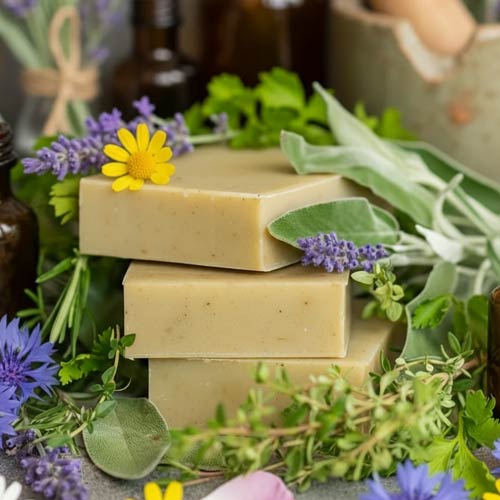
Optional: You can add plantain leaf and calendula to the chickweed when infusing and add a few drops of lavender essential oil to boost the soothing power when completing the salve.
Tea Tree Oil
Use with a carrier oil (like coconut or olive oil).
- Why it works: Antimicrobial and can help with itching.
- How to use it: Mix 1-2 drops of tea tree oil with a teaspoon of carrier oil. Apply to the bite 2–3 times a day.
Toothpaste
Yes, the same stuff you brush with.
- Why it works: Some toothpaste (especially minty ones) cool the skin and reduce the itch.
- How to use it: Dab a little onto the bite and leave it for 10–15 minutes.
What Not To Do If You Get Ant Bites
- Don’t scratch! Easier said than done, but scratching can make things worse and lead to infection.
- Keep the area clean and dry.
- Use antihistamines or calamine lotion if home remedies aren’t cutting it.
When to See a Doctor
Most ant bites clear up in a few days. But if you notice severe swelling, trouble breathing, or a spreading rash, don’t wait - seek medical help immediately. Some people are allergic to ant venom and might not know it.