How to Choose the Right Tea for Your Needs
Tea has been enjoyed for generations, not just for its flavor, but for how it can make you feel. When it comes to choosing the right tea, some people reach for it to relax at the end of the day, while others use it as a gentle way to wake up in the morning or settle their stomach after a meal. With so many options available, it can sometimes be hard to know which tea to choose.
Not all teas are the same. Some are naturally caffeine-free and more suited for relaxation, while others contain caffeine and are better for energy and focus. Certain herbal teas are commonly used for digestion or immune support, and many can serve more than one purpose depending on how they’re used.
When it comes to choosing a tea, it’s not just about the flavor - it’s also about how you want to feel. Some teas are calming, some are energizing, and others are simply a comforting part of your day.
Using the Tea Finder for Choosing the Right Tea
With so many teas to choose from, it helps to have a simple way to narrow things down. The Tea Finder below lets you explore different options based on how you want to feel, along with caffeine levels, taste, and a few common ways each tea is enjoyed.
Whether you’re looking for something calming, something refreshing, or something to help support digestion, there is a selection of 20 teas where you can use the filters to quickly find a tea that matches what you’re looking for.
Tea Finder
Explore teas based on how you want to feel, along with their common uses and characteristics. Either select the Tea Name or choose one of the other three options to find your tea.
Choosing the Right Tea
If you’re not sure where to start, here are a few simple ways to use it:
For Relaxation or Sleep
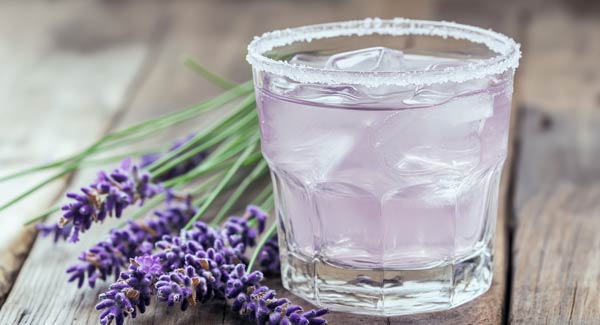
Teas like chamomile, lavender, lemon balm, and passionflower are often chosen for their calming qualities. These are usually caffeine-free and are a popular choice in the evening.
For Energy and Focus
Green tea, black tea, matcha, and yerba mate all contain caffeine, though in different amounts. They can provide a more gentle lift compared to coffee, depending on the type.
For Digestion
Peppermint, ginger, and fennel teas are commonly used after meals. They’re often chosen for their soothing and refreshing qualities.
For Immune Support
Teas like echinacea, elderberry, and turmeric are often included in wellness routines, especially during seasonal changes.
Tea Add-Ins: Simple Additions for Tea
Many teas can be enjoyed on their own, but simple additions like honey, lemon, or milk can change both the flavor and overall experience. Some people prefer a plain cup of tea, while others enjoy adjusting it to suit their taste.
What to Keep in Mind
- Some teas naturally contain caffeine, so they may not be ideal later in the day
- Herbal teas can vary in strength depending on how they’re prepared
- Blended teas may contain additional ingredients not listed
At the time of this writing, the information above reflects commonly known uses of different teas. Ingredients and blends can vary, so it’s always a good idea to check the label and choose what works best for you.
Choosing the Right Tea to Sip & Enjoy
Tea is one of those simple things that can easily become part of your daily routine. When choosing the right tea, whether you’re looking for something calming, refreshing, or just enjoyable to sip on, there’s usually an option that fits the moment.
The goal isn’t to find one “perfect” tea, but to find what works best for you and your preferences. Sometimes that’s as simple as trying a few different options and seeing which ones you enjoy the most.
Related Articles
❥ Walking Weight Loss Calculator❥ Water Intake Calculator
❥ Sleep Time Calculator
❥ Essential Oil Diffuser/Drop Calculator
❥ Essential Oil Dilution Calculator
❥ Essential Oil Blend Calculator
❥ Essential Oil Pairing Calculator
Other Tools
❥ Skincare & Beauty Routine Finder❥ Finding Ways to Use Aromatherapy
❥ Natural Remedy Finder
❥ Hydration Drink Finder
❥ Tea Finder