
What is Cicatricial Alopecia
Cicatricial alopecia, also called scarring alopecia, is a group of conditions that cause permanent hair loss. My sister-in-law was recently diagnosed with this, so I wanted to learn more about what it really means and how it affects the scalp. Unlike regular hair shedding or pattern baldness, this type of hair loss happens when inflammation or injury damages the hair follicles so badly that they’re replaced with scar tissue. Once that happens, new hair can’t grow in those areas.
What Causes Cicatricial Alopecia
Cicatricial (sik-a-trish-ul) alopecia isn’t caused by one single thing. It can develop for several reasons, including:
- Autoimmune or inflammatory reactions - when the body mistakenly attacks its own hair follicles.
- Infections - bacterial, fungal, or viral infections that damage the scalp.
- Physical injury or burns - including scars from accidents, radiation, or surgery.
- Certain skin conditions - like lupus or lichen planopilaris, which cause inflammation and scarring.
In some cases, doctors can’t pinpoint exactly why it happens - they just see that inflammation has damaged the follicles.
What It Looks and Feels Like
Early on, the symptoms might be subtle. Over time, the following signs can appear:
- Patches of hair loss that don’t grow back
- Areas of smooth, shiny, or scarred skin on the scalp
- Itching, burning, tenderness, or pain where hair used to be
- Sometimes small bumps, crusts, or scaling around hair follicles
When scarring has set in, the skin often looks a little different - smoother, tighter, and without visible hair openings.
How Is Cicatricial Alopecia Diagnosed
To know for sure if it’s cicatricial alopecia, a dermatologist usually performs:
- A scalp exam to look at the pattern and texture of hair loss
- A biopsy (tiny sample of skin) to confirm if inflammation or scarring is present
- Sometimes lab tests to rule out other causes of hair loss
Getting a firm diagnosis is important, because there are different subtypes and each one may need a slightly different treatment plan.
Treatment Options for Cicatricial Alopecia
Once a follicle has turned into scar tissue, it can’t regrow hair - so the goal is to stop further loss and calm inflammation.
Treatment may include:
- Topical or injected corticosteroids to reduce inflammation
- Oral medications (like hydroxychloroquine or antibiotics with anti-inflammatory effects)
- Antifungal or antibacterial treatments if infection is involved
- Topical minoxidil (Rogaine) to support remaining hair
- Surgery or hair transplant - only when the condition has been inactive for a long time and the scalp is stable
Each plan depends on the cause, stage, and how active the inflammation is.
Natural and Home Remedies for Cicatricial Alopecia
While medical treatment is needed to stop inflammation and prevent more hair loss, there are some gentle at-home steps that can help support scalp health and comfort - especially once your doctor confirms it’s safe to use them alongside your treatment plan.
Soothe the Scalp
- Aloe vera gel (pure, fragrance-free) can help calm irritation and reduce redness.
- Chamomile or calendula rinses may ease itchiness and mild inflammation.
- Cold compresses or cool aloe masks can relieve burning or tenderness.
Always test any new ingredient on a small area of skin first - the scalp can be sensitive.
Use Gentle, Non-Irritating Hair Products
- Choose sulfate-free, fragrance-free shampoos and avoid harsh chemicals or alcohol-based sprays.
- Look for products made for sensitive or dry scalps, and skip anything that stings or burns.
- Avoid tight hairstyles, excessive heat, or harsh brushing - anything that stresses the scalp can make things worse.
Support Circulation and Overall Health
- Scalp massage (gently, with clean fingertips or a soft brush) may help increase blood flow to areas that still have active follicles.
- Healthy fats and anti-inflammatory foods - like salmon, olive oil, walnuts, and leafy greens - support scalp and skin health from within.
- Stay hydrated; dehydration can make dryness and itching worse.
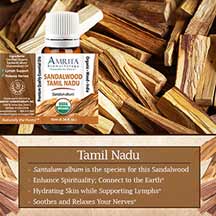
Essential Oils
If your dermatologist agrees, a few essential oils may help calm inflammation or support remaining follicles:
- Rosemary – supports circulation around hair follicles.
- Lavender – calming, soothing, and anti-inflammatory.
- Tea tree – helps with itching or mild bacterial buildup (but should be heavily diluted).
Always dilute essential oils in a carrier oil (like jojoba or fractionated coconut oil) and patch test first.
Nourish the Scalp After the Fact
Once the active inflammation is under control, ongoing care helps maintain comfort and appearance:
- Use natural oils like jojoba or argan oil to keep the scalp moisturized and flexible (dry, tight skin can feel worse).
- Sun protection is crucial - a scarred scalp can burn easily. Try hats, scarves, or scalp sunscreens with zinc oxide.
- Consider camouflaging products like tinted powders or fibers if it helps you feel more confident while the scalp heals.
Hair Styling and Cicatricial Alopecia
Because cicatricial alopecia involves inflammation and damage deep in the follicles, the scalp becomes more fragile and sensitive than usual. Anything that adds heat, tightness, or chemical irritation can aggravate it.
Hairspray
Most commercial sprays contain alcohol and fragrance, which can dry out and irritate the scalp. Overspray can also block the follicles that are still healthy, leading to buildup or itchiness.
If hairspray is a must, use it sparingly and choose an alcohol-free or fragrance-free version. Try to spray mainly on the hair ends rather than the scalp itself.
Blow Drying
Frequent blow-drying, especially on high heat, can dry out the scalp and increase inflammation. The hot air itself doesn’t cause scarring, but when the scalp is already inflamed, heat can make discomfort worse.
Use the cool or low setting, hold the dryer a few inches away, and avoid concentrating on one spot too long.
Flat Irons, Curling Irons, and Tight Styles
Heat styling tools can make fragile hair shafts break more easily. Tight ponytails, braids, or buns pull on the follicles and can trigger additional traction-related hair loss in already delicate areas.
Keep styles loose and gentle, and give your scalp regular breaks from styling.
Chemical Treatments
Relaxers, perms, bleach, and dyes are especially risky - they can irritate or burn the scalp, and worsen inflammation or scarring.
Skip chemical treatments until your dermatologist confirms your scalp is stable and inflammation is fully inactive.
Living With Cicatricial Alopecia
Even though scarred follicles can’t be revived, treatment can make a big difference in comfort, appearance, and confidence. A few helpful steps include:
- Seeing a dermatologist early for diagnosis and treatment
- Avoiding tight hairstyles or harsh chemical treatments
- Keeping the scalp clean and protected
- Using gentle products that don’t irritate the skin
- Talking openly about the emotional side of hair loss - it’s a big change, and support helps
Some people also look into wigs, toppers, or cosmetic options once the condition stabilizes.
Wigs and Toppers: Things to Keep in Mind
Wigs and toppers can be helpful once the condition stabilizes, but they can sometimes irritate a sensitive scalp if they trap heat, moisture, or cause friction. A warm or sweaty scalp may feel more itchy or tender, and tight clips can pull on the remaining hair.
If someone chooses to wear them, breathable cap styles, soft wig liners, loose fits, and clip-free options are usually more comfortable. It also helps to give the scalp breaks at home and avoid anything that feels tight, hot, or irritating.
Cicatricial Alopecia and Permanent Hair Loss
Cicatricial alopecia is a form of permanent hair loss caused by inflammation or scarring of the follicles. It can’t always be reversed, but catching it early and treating the inflammation can stop it from spreading. If you or someone you love has been diagnosed, know that help is available - and with the right care, you can manage symptoms and protect the hair that remains.
Related Articles
National Library of Medicine - Primary Cicatricial Alopecia Diagnosis and Treatment
Scarring Alopecia Foundation - Types of Scarring Alopecia