Answers to Common Questions About Essential Oils & Aromatherapy
Essential oils spark a lot of curiosity - and understandably so. From calming lavender to energizing citrus oils, people often hear about how versatile these little bottles can be, but still have plenty of questions before using them confidently. I didn’t realize just how many “unspoken” questions existed until I started using essential oils regularly in my own home - in diffusers, room sprays, and everyday routines. I hope this helps to cover some of the most common Essential Oil & Aromatherapy FAQs people ask about and answered in a practical, easy-to-understand way, so you can use them safely and with confidence.
Essential Oils: Frequently Asked Questions
Below are some of the most common questions asked about using essential oils:
What Are Essential Oils?
Essential oils are concentrated plant extracts obtained from flowers, leaves, bark, roots, peels, or resins. They capture the plant’s natural aroma and beneficial compounds, which is why only a few drops are typically needed.
Why Do Essential Oils Smell Different From One Brand to Another?
Even when the oil comes from the same plant, scent can vary due to growing conditions, harvest time, climate, extraction method, and freshness. Just like wine grapes or coffee beans, essential oils reflect where and how they were produced.
How Do You Know If an Essential Oil is Pure?
A quality oil from a reputable company will list the botanical name, country of origin, and extraction method on the label. Pure essential oils are plant derived, while fragrance oils are man-made and created to mimic scent.
Can Essential Oils be Used Directly on the Skin?
Some essential oils are commonly considered gentle enough for limited, occasional direct skin use - but this should always be the exception, not the rule. Oils most often cited as skin friendly include lavender, tea tree, frankincense, and roman chamomile, and even these are typically used neat only in very small amounts and on a small area of skin.
That said, dilution is still the safest and most reliable approach for everyday use. Applying essential oils mixed with a carrier oil helps reduce the risk of irritation, sensitivity, or delayed skin reactions - which can happen even with oils that are usually well tolerated. Hot, spicy, or citrus oils, like cinnamon, clove, or oregano, should always be diluted, and anyone with sensitive skin should err on the side of dilution every time.
When in doubt, start diluted, patch test first, and increase only if your skin responds well. Using essential oils safely is less about pushing limits and more about respecting their strength.
What Happens if I Use Too Much Essential Oil?
More is not better with essential oils. Overuse can cause headaches, nausea, skin irritation, or scent fatigue (where your nose simply stops registering the aroma). Proper dilution and moderation matter more than intensity.
Why Do Essential Oils Smell Stronger in Some Rooms Than Others?
Room size, airflow, humidity, temperature, and even surfaces (tile vs. carpet) affect how aroma travels and lingers. Bathrooms, for example, often intensify scents due to humidity and smaller enclosed space.
Are Essential Oils Safe to Diffuse Around Pets?
Some oils are better tolerated than others, and diffusion should always be done in a well ventilated space where pets can leave the room if they choose. Cats, birds, and small animals are especially sensitive, so research and moderation are key.
Can Essential Oils Go Bad or Expire?
Yes. Essential oils don’t spoil like food, but they can oxidize and lose potency over time. Citrus oils typically have a shorter shelf life, while resins and woods last much longer when stored properly.
Why Does my Diffuser Smell “Off” Even with Good Oils?
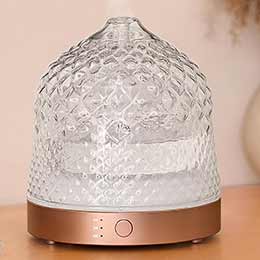
Residue buildup inside a diffuser can alter the scent of essential oils. Regular cleaning - especially of the ultrasonic plate - helps ensure the aroma you’re smelling is the oil itself, not old residue.
Can I Mix Different Essential Oil Brands Together?
Yes. Essential oils from different brands can be blended safely as long as each oil is pure and properly diluted. Blending is more about chemistry and scent balance than brand loyalty.
Why Don’t Essential Oils Smell the Same Every Time I Use Them?
Your sense of smell can change due to mood, stress, hormones, illness, or even what you’ve eaten. Sometimes it’s not the oil that’s different - it’s your nose.
Are Essential Oils Safe for Kids?
Essential oils should be used cautiously around children, with proper dilution and child-friendly oil choices. Some oils are best avoided entirely for young kids, especially strong or stimulating oils.
Can Essential Oils Replace Medical Treatment?
Essential oils can support wellness and comfort, but they are not a substitute for medical care. They work best as complementary tools, not cures or replacements for professional advice.
Why Does One Essential Oil Smell Amazing to One Person and Terrible to Another?
Scent is deeply personal. Past experiences, memories, and individual chemistry all influence how we perceive aromas. An oil that feels comforting to one person may feel overwhelming to someone else.
What If I make a Body Blend and It’s Too Strong?
If a blend feels overpowering on the skin - whether it causes tingling, warmth, redness, or just feels “too much” - the first step is to gently remove it, not scrub it. Use a plain carrier oil (such as coconut, jojoba, or olive oil) to dissolve and lift the essential oils from the skin, then follow with a mild soap and lukewarm water. Avoid using hot water, as heat can intensify the oils and increase irritation.
As for the blend itself, you don’t necessarily have to start over. In many cases, the blend can be saved by further dilution - simply add more carrier oil to lower the overall concentration. If the scent balance still feels off or uncomfortable after diluting, it’s best to set that blend aside and begin again. Sometimes a blend teaches you just as much from what didn’t work as from what does.
Essential Oil FAQs
Essential oils don’t come with a one-size-fits-all instruction manual, which is why questions are such a natural part of learning to use them. The more you understand how essential oils work - and how your own body and home environment respond - the more enjoyable and effective they become. Curiosity is part of the process, and asking the right questions is often the first step toward using essential oils in a way that feels both safe and satisfying.
Aromatherapy: Frequently Asked Questions
Below are some of the more common questions asked about aromatherapy use:
What is Aromatherapy, and How is it Different From Simply Smelling Essential Oils?
Aromatherapy is the intentional use of scent to support mood, relaxation, focus, or overall well being. While smelling an essential oil casually can be pleasant, aromatherapy involves purpose - choosing specific aromas, delivery methods, and timing to create a desired effect.
What If I Don’t Feel Anything When I Use Aromatherapy?
Not everyone experiences immediate or dramatic effects. Aromatherapy can be subtle, and results may depend on scent preference, emotional state, consistency, and environment. Sometimes the benefits show up as improved sleep, calmer evenings, or better focus rather than an obvious “instant” change.
Can Aromatherapy Work Even If I Don’t Love the Scent?
Scent preference matters. If an aroma feels unpleasant or irritating, it’s unlikely to be helpful - even if it’s commonly recommended. Aromatherapy works best when the scent is at least neutral, if not enjoyable, to the person using it.
What If a Scent Makes Me Feel Anxious or Uncomfortable?
If an aroma triggers discomfort, stop using it. Emotional responses to scent are powerful and often tied to memory. A reaction doesn’t mean the oil is “bad” - it simply means it isn’t right for you at that moment.
Is Stronger Aromatherapy More Effective?
Not usually. Overly strong aromas can overwhelm the senses and lead to headaches or nausea. Gentle, consistent exposure is often more effective than intense bursts of scent.
What If I Feel Sleepy, Wired, or Off After Using Aromatherapy?
Aromatherapy can affect people differently. A scent meant to relax one person may feel heavy or overstimulating to another. Time of day, stress level, and sensitivity all play a role - adjusting the oil choice or amount usually solves the issue.
Can Aromatherapy Stop Working Over Time?
Yes, temporarily. This is called scent fatigue, where your nose stops registering an aroma after repeated exposure. Taking breaks, rotating scents, or diffusing intermittently can help restore sensitivity.
What If Aromatherapy Smells Great But Gives Me a Headache?
Headaches can result from using too much oil, poor ventilation, or a scent that simply doesn’t agree with you. Reducing the amount, switching oils, or airing out the space often makes a big difference.
Does Aromatherapy Work Better in Certain Rooms?
Yes. Smaller spaces tend to hold aroma longer, while large or open rooms may require gentler diffusion or more time. Humidity, airflow, and room purpose (sleep vs. focus) all influence effectiveness.
Can Aromatherapy Be Used Without a Diffuser?
Absolutely. Aromatherapy can be enjoyed through room sprays, personal inhalers, aroma stones, bath use, or even a drop on a cotton pad - sometimes these methods are more controlled than diffusers.
What If Multiple People in the Home React Differently to Aromatherapy?
Shared spaces require compromise. Light diffusion, neutral blends, and good ventilation help accommodate different sensitivities. Allowing everyone the option to leave the room is important.
Aromatherapy FAQs
Aromatherapy is as much about listening to your senses as it is about choosing the “right” oil. What works beautifully in one situation - or for one person - may not work the same way in another. Paying attention to how scents affect mood, comfort, and energy is part of learning how to use aromatherapy in a way that truly supports everyday life.