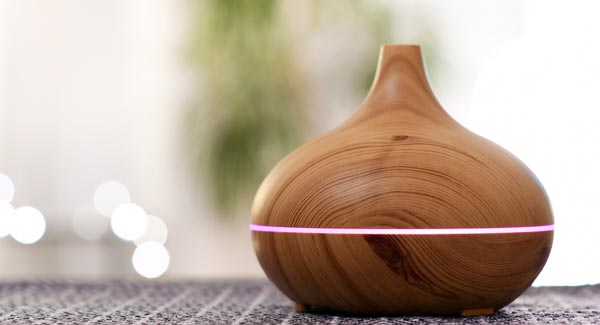
What Is an Essential Oil Diffusers?
An essential oil diffuser disperses essential oils into the air so you can enjoy their aroma throughout a room. There are several types of diffusers, and each works a little differently. Some use water, some use air, and others rely on evaporation or heat.
The four main types of essential oil diffusers are ultrasonic, nebulizing, evaporative, and heat diffusers. The best choice depends on how strong you want the aroma to be, the size of the space, whether you want to use water, and how much essential oil you want to use.
- Ultrasonic diffusers use water and ultrasonic waves to create a mist, gently dispersing the oils.
- Nebulizing diffusers break the oil into particles without using water, offering a more concentrated diffusion.
- Evaporative diffusers use air flow to evaporate the oil into the air.
- Heat diffusers use warmth to help the oils evaporate, filling the space with fragrance.
Diffusers are commonly used to scent a room and create a relaxing or uplifting atmosphere, depending on the essential oils you choose.
Which Type of Essential Oil Diffuser Is Best?
| Diffuser Type | Uses Water | Scent Strength | Uses Heat | Best For |
|---|---|---|---|---|
| Ultrasonic | Yes | Mild to moderate | No | Everyday home use |
| Nebulizing | No | Strong | No | Strong, concentrated aroma |
| Evaporative | No | Mild | No | Small spaces and travel |
| Heat | Usually no | Mild to strong | Yes | Simple fragrance diffusion |
For most homes, an ultrasonic diffuser is the easiest all-around choice. Nebulizing diffusers are better when you want a stronger aroma without adding water, while evaporative diffusers work well for smaller spaces or travel. Heat diffusers are simple and inexpensive, but heat can affect some of the aromatic compounds in essential oils.
Let's review the diffusers mentioned above.
Ultrasonic Diffusers
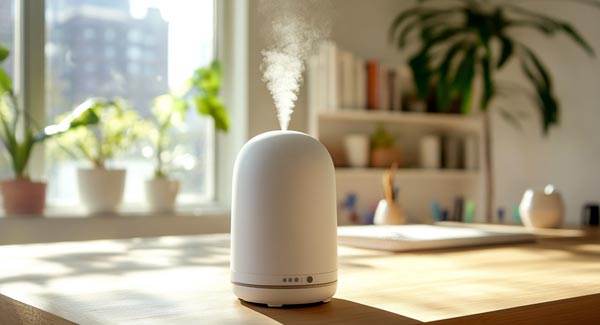
An ultrasonic essential oil diffuser is a device that uses vibrations to disperse essential oils into the air as a cool mist, without the need for heat or a fan. These vibrations create ultrasonic waves that combine water and oils, gently releasing the mist into your space.
Here are some key features of ultrasonic essential oil diffusers:
- No heat required: Ultrasonic diffusers create a cool mist, so the essential oils aren't exposed to a heating element.
- Automatic shut-off: The device automatically turns off when the water level gets too low.
- Adds a small amount of moisture: Because ultrasonic diffusers use water, they release some moisture into the air, although they aren't a replacement for a room humidifier.
- Prolonged scent release: Ensures a continuous and steady release of fragrance throughout the room.
Many ultrasonic diffusers also come with additional features such as:
- Color-changing light: Can function as a nightlight, adding ambiance to the room.
- Relaxing sounds: Some models include soothing nature sounds or calming music to enhance relaxation.
- Remote control: Allows you to adjust settings like the light color or sound from a distance for added convenience.
These features make ultrasonic diffusers both functional and versatile, providing not just aromatherapy but also added benefits for comfort and relaxation.
Nebulizing Diffusers
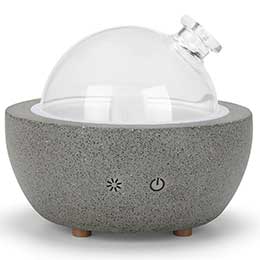
A nebulizing diffuser is a device that disperses essential oils into the air as a fine mist using pressurized air, a vacuum, and vibrations.
How the Nebulizing Diffuser Works
A small air pump creates a vacuum that draws the essential oils into a glass chamber. Once inside, vibrations atomize the oil, transforming it into a mist that is released into the air.
Benefits of a Nebulizing Diffuser
Nebulizing diffusers don’t require heat or water, which means the essential oils are diffused in their purest form. They are low maintenance and offer the ability to control the intensity of the fragrance and set timers for customized use. You can use a nebulizing diffuser in various settings, such as at home, in the office, car, or even in a hotel room. These diffusers are effective for purifying the air, eliminating odors, and creating a pleasant, natural atmosphere.
Nebulizing vs Ultrasonic
Unlike ultrasonic diffusers, nebulizing diffusers don't use water. They disperse undiluted essential oil into the air, which generally produces a stronger, more concentrated aroma. Because of this, nebulizers may use essential oil more quickly than ultrasonic diffusers and can be more expensive.
Evaporative Diffusers
An evaporative diffuser allows essential oils to evaporate naturally into the air. Some models use a small fan to move air across an oil-soaked pad or filter, while passive diffusers rely on natural air movement.
How the Evaporative Diffuser Works
The fan pushes air through the oil-soaked pad, picking up essential oil particles and dispersing them into the room. The scent fills the space gradually, offering a subtle and steady fragrance.
Features and Benefits of Evaporative Diffusers
- Quiet, no water needed: It operates quietly without the need for water or heat, making it easy to use and maintain.
- Portable: Many evaporative diffusers are compact and lightweight, ideal for travel or small areas like cars, offices, or bedrooms.
- No electricity required: Passive models don’t need power, making them convenient for places without outlets.
- Low maintenance: Passive evaporative diffusers can release scent gradually without water, heat, or complicated setup.
- Subtle scent release: Ideal for those who prefer a gentle, understated fragrance.
There are a couple of drawbacks with an evaporative diffuser - Uneven scent: Lighter oil components evaporate first, so the scent may not be fully balanced over time. Less intensity control: Compared to other types, the fragrance is more subtle and less adjustable.
Heat Diffusers
A heat essential oil diffuser uses warmth to help essential oils evaporate and release their aroma into the air. Heat diffusers are generally simple to use and come in several styles, including candle-based, electric, and stovetop options.
How a Heat Diffuser Works
Heat diffusers gently warm essential oils, increasing evaporation and allowing the aroma to disperse into the surrounding air. Depending on the diffuser, the heat may come from a candle, an electric heating element, or a stovetop.
- Candle-based diffusers: These typically have a small dish positioned above a candle. The flame warms the dish, allowing the essential oil to gradually evaporate. They can also add a cozy ambiance to a room, but should never be left unattended.
- Electric heat diffusers: These plug into an outlet and use a small heating element to warm the essential oil. Some models offer adjustable settings that give you more control over how quickly the aroma is released.
- Stovetop diffusers: These use a container of water combined with essential oils that is gently heated on the stove. As the water warms, the aromatic compounds are carried into the air with the steam.
Benefits of Heat Diffusers
- Quick scent release: Warming the oils encourages evaporation, allowing their aroma to spread through the room fairly quickly.
- Simple to use: Most heat diffusers require very little setup or maintenance.
- Different styles available: Options range from decorative candle diffusers to small electric models.
- No water required for many models: Candle and electric heat diffusers often work without a water reservoir.
- Affordable: Many heat diffusers are relatively inexpensive compared with ultrasonic or nebulizing models.
Drawbacks of Heat Diffusers
Heat isn't ideal for every essential oil. Higher temperatures can alter some of the volatile aromatic compounds in essential oils, which may change the way an oil smells. For this reason, gentle warming is preferable to exposing essential oils to high heat.
Candle-based diffusers also require extra care because of the open flame and should never be left unattended. Unlike ultrasonic diffusers, most heat diffusers don't add moisture to the air.
Choosing An Essential Oil Diffuser
There isn't one type of diffuser that's best for everyone. If you want something simple for everyday use, an ultrasonic diffuser is a good place to start. If you prefer a stronger aroma and don't want to use water, a nebulizing diffuser may be a better choice. Evaporative diffusers are convenient for smaller spaces and travel, while heat diffusers offer a simple way to disperse fragrance.
Whichever type you choose, consider the size of the room, how strong you want the aroma, how much essential oil the diffuser uses, and how easy it is to clean.