Storing Essential Oils Correctly
Have you ever wondered how to store essential oils? If you have, believe me, you’re not alone. Essential oils can last a long time when stored correctly, but poor storage habits can cause them to lose their aroma, freshness, and overall quality. Heat, sunlight, air exposure, and even the type of bottle they’re stored in can all affect how well your oils hold up over time.
It doesn’t matter if you have a small collection of favorites or an entire shelf filled with oils for aromatherapy, diffusing, DIY beauty recipes, and natural home care, proper storage matters. Proper storage can help protect both the scent and integrity of your oils for months and sometimes even years.
What Happens When Essential Oil Are Stored Incorrectly?
Essential oils are highly concentrated plant extracts. While many people think of them as “good smelling oils,” they are actually delicate botanical compounds that can change when stored incorrectly.
Improper storage may lead to:
- Weak or faded aroma
- Changes in consistency
- Oxidation from air exposure
- Reduced effectiveness in aromatherapy blends
- Faster spoilage of citrus oils
- Increased chance of skin irritation from degraded oils
Some oils are naturally more stable than others. For example, patchouli, sandalwood, and vetiver often age quite well, while citrus oils like lemon, orange, bergamot, and grapefruit tend to oxidize more quickly.
How to Store Essential Oils Correctly
You should store your essential oils correctly so you can enjoy them for as long as you can. Never leave them sitting near windows, in hot bathrooms, or beside appliances that generate heat.
Instead, store essential oils in:
- Cool temperatures
- Stable conditions
- Dark environments
- Minimal direct sunlight
A sunny windowsill may look pretty, but sunlight and heat can gradually break down delicate compounds in the oil.
Good places to store essential oils include:
- A cabinet away from the stove
- A linen closet
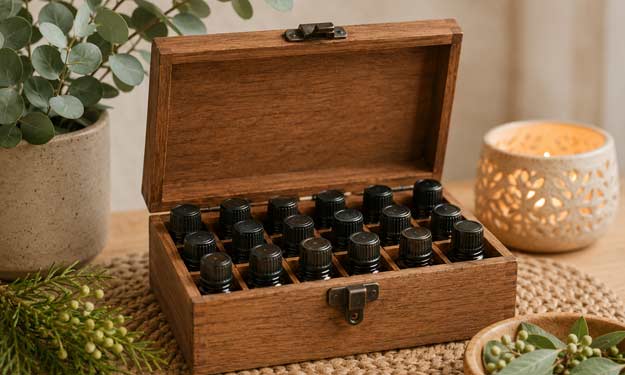
- A storage box designed for essential oils
- A cool office shelf away from direct sunlight
Some people refrigerate certain oils, especially citrus oils, to help extend shelf life. While refrigeration is not required for most oils, cooler temperatures can help slow oxidation.
I store my essential oils in decorative boxes on a shelf beneath my kitchen island where they stay dark, cool, and away from heat sources.
Keep Essential Oils in Dark Glass Bottles
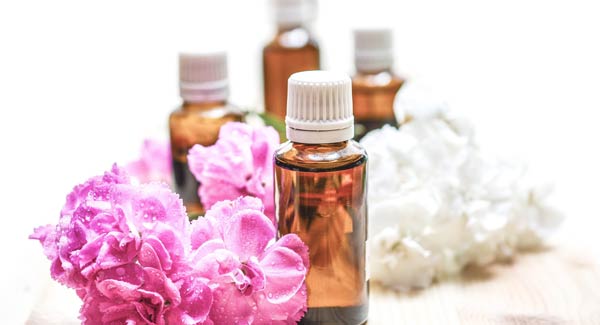
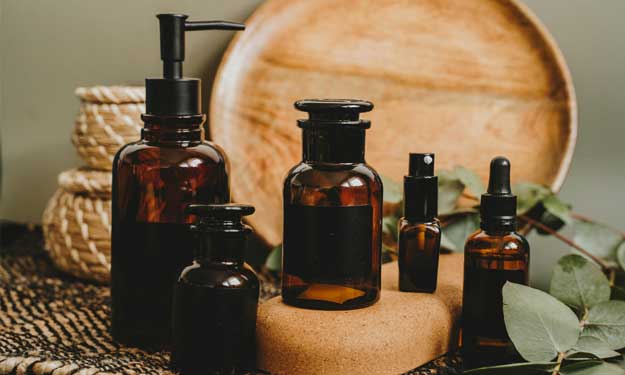
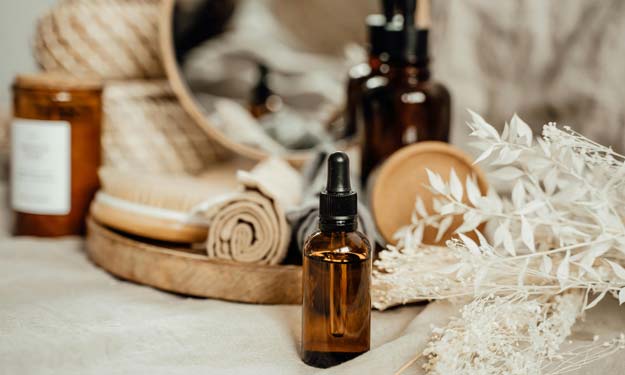
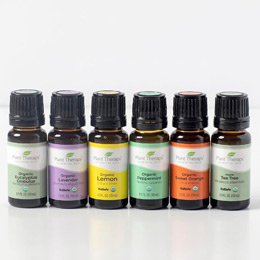
Most quality essential oils are sold in amber, cobalt blue, or dark green glass bottles. Dark glass helps protect the oils from light exposure.
Avoid transferring essential oils into:
- Clear glass bottles exposed to sunlight
- Plastic containers
- Decorative jars not designed for essential oils
Essential oils are potent and may gradually break down certain plastics over time. Glass is generally the safest and most reliable storage option.
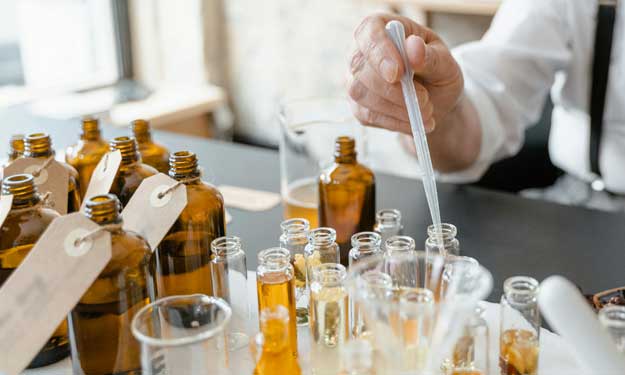
If you make your own room sprays, roller blends, or aromatherapy recipes, it’s best to use glass containers whenever possible.
Always Keep the Caps Tightly Closed
Air exposure is another major factor that affects essential oil quality.
Every time a bottle is left uncapped, oxygen enters and slowly contributes to oxidation. This is especially important with oils that already have shorter shelf lives.
To help protect your oils:
- Close bottles immediately after use
- Avoid leaving droppers sitting out
- Wipe bottle rims if oil drips occur
- Store bottles upright
Even though essential oils smell wonderful, leaving a bottle open to “freshen the room” is not the best idea if you want the oil to stay fresh long term.
How to Store Essential Oils Safely Around Children and Pets
Essential oils may smell natural, but they are still highly concentrated substances and should always be stored safely.
Keep oils:
- Out of reach of children
- Away from curious pets
- Properly labeled
- Stored securely to prevent spills
Some oils can be irritating or unsafe if accidentally ingested or heavily spilled. A secure storage box or high cabinet can help prevent accidents.
Should Essential Oils Be Stored in the Bathroom?
Bathrooms are convenient, but they are not always ideal for long-term storage.
Frequent temperature changes from hot showers can expose oils to:
- Humidity
- Heat fluctuations
- Moisture buildup
If you only keep a few oils in the bathroom for regular use, it probably isn’t disastrous, but long-term storage is usually better in a cooler, drier location.
Shelf Life of Essential Oils
Different essential oils have different average shelf lives.
Essential Oils That Tend to Have Shorter Shelf Lives
These oils usually oxidize more quickly and are often best used within 1 to 2 years after opening:
- Lemon
- Sweet Orange
- Grapefruit
- Bergamot
- Lime
- Tangerine
- Mandarin
- Pine
- Spruce
- Fir Needle
Citrus oils are especially sensitive to air, heat, and light exposure.
Essential Oils With Moderate Shelf Lives
These oils are often stable for around 2 to 4 years when stored properly:
- Lavender
- Tea Tree
- Peppermint
- Eucalyptus
- Geranium
- Rosemary
- Clary Sage
- Cypress
- Juniper Berry
Essential Oils That Often Last Longer
Some oils can remain stable for many years and may even develop a deeper aroma over time:
- Patchouli
- Sandalwood
- Vetiver
- Frankincense
- Cedarwood
- Myrrh
- Ylang Ylang
- Blue Tansy
No matter the oil, proper storage can make a major difference in preserving aroma and freshness. Keeping oils tightly sealed and away from heat, light, and moisture helps extend their usability.
Carrier oils used in DIY blends can also affect shelf life. For example, sweet almond oil or avocado oil may spoil before the essential oils themselves.
Signs an Essential Oil May Be Old or Oxidized
Sometimes an essential oil will let you know it is past its prime.
Watch for:
- A sour or unusual smell
- Thickened consistency
- Cloudiness
- Weaker aroma
- Skin irritation from oils previously tolerated well
If an oil smells “off,” it’s usually best not to use.
Organizing Your Essential Oil Collection
If your collection keeps growing, organization becomes surprisingly helpful.
Some simple ideas include:
- Alphabetical storage
- Organizing by scent type
- Separating citrus oils from woodsy oils
- Keeping DIY blends in a separate section
- Labeling homemade aromatherapy recipes clearly
Wooden storage boxes made specifically for essential oils are popular because they help keep bottles upright, dark, and organized all at once.
And yes, many of us eventually reach the point where “just a few oils” somehow turns into an entire collection that takes over a cabinet shelf.
How to Store Essential Oils Properly to Preserve Quality
Knowing how to store essential oils properly can help preserve their aroma, quality, and usefulness for much longer. Keeping oils away from heat, sunlight, excessive air exposure, and moisture is one of the simplest ways to protect your investment and keep your favorite aromatherapy oils smelling fresh and enjoyable. A little care goes a long way. Proper storage can make a noticeable difference in how well your botanical scents hold up over time.
Related Articles
If you enjoy blending oils, understanding top, middle, and base notes can also help you create more balanced and longer-lasting aromatherapy blends.