What Essential Oils Blend Well Together?
Blending essential oils can be one of the most enjoyable parts of using aromatherapy. Once you begin experimenting with different essential oils, it will quickly become clear that some scents naturally complement each other while others can feel overpowering or mismatched. Knowing which essential oils tend to blend well together can make the process much easier when you’re creating your own combinations.
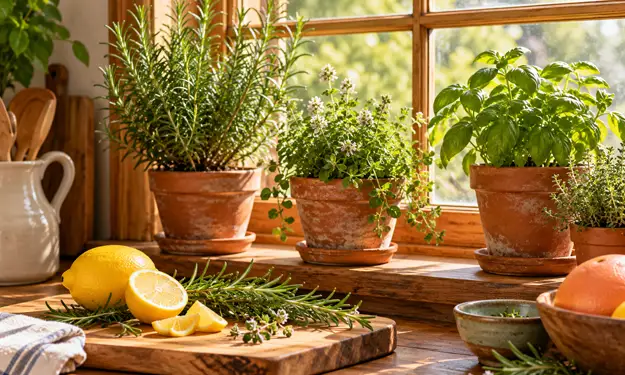
Many essential oils share scent families or aromatic notes that naturally work well together. Citrus oils often brighten floral or herbal oils, while woodsy oils can help ground lighter aromas and create a more balanced scent. While there are no strict rules when blending essential oils, understanding these natural relationships can make the process feel much less like guesswork.
The Essential Oil Pairing Calculator below is designed to give you a simple starting point when you already have one oil in mind but aren’t sure what to combine it with. Choose an essential oil to see several oils that are commonly blended with it and use those suggestions as inspiration while experimenting with your own blends.
Essential Oil Pairing Guide
Choose an essential oil to see a few oils that tend to pair nicely with it. This is meant to be a simple blending helper and a starting point for experimenting.
Why Certain Essential Oils Blend Well Together
Essential oils are often grouped by their aromatic characteristics, sometimes called scent families or aroma notes. Oils that share similar scent qualities often blend smoothly because their aromas complement each other rather than compete.
For example:
- Citrus oils such as lemon, grapefruit, and orange tend to blend well with fresh or herbaceous oils.
- Floral oils like lavender, geranium, and ylang ylang often pair nicely with both citrus and woody oils.
- Woodsy oils such as cedarwood, sandalwood, and frankincense can help anchor lighter scents like citrus or herbal scents and create a more balanced blend.
These natural relationships between scents are one reason certain combinations show up again and again in aromatherapy blends.
Blending Essential Oils Is Part Science & Part Personal Preference
While pairing guides can be helpful, scent preference is always personal. Two people can smell the same blend and experience it very differently. Some oils are also naturally stronger than others, so even small changes in drop amounts can shift the overall aroma.
When experimenting with essential oil blends, it can help to start simple. Choosing one oil you enjoy and then adding a second or third oil that complements it is often the easiest way to begin creating blends that feel balanced.
Over time, you may start noticing patterns in the essential oils you enjoy most and how they interact with one another.
Start With Small Amounts When Blending
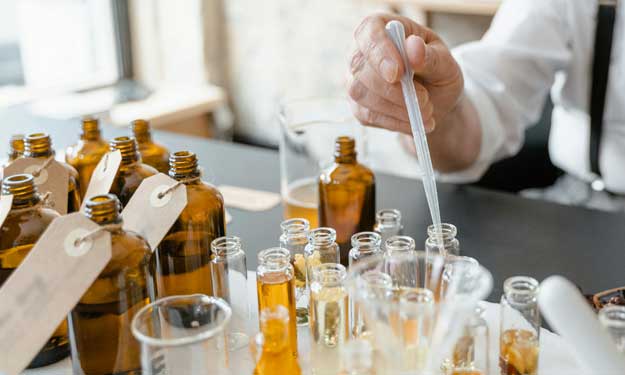
When trying new essential oil combinations, it’s usually best to start with just a few drops of each oil. Some oils are much stronger than others, and even a single extra drop can noticeably change the overall scent of a blend.
A simple way to experiment is to begin with a small test blend using two or three oils with one or two drops of each. Many people also like to use scent strips (sometimes called perfume blotter strips) when testing combinations. Placing a drop of different oils on separate strips allows you to hold them together and smell how the aromas interact before mixing them in a bottle or diffuser.
Once you find a combination you enjoy, you can adjust the proportions slightly or increase the total number of drops while keeping the same general balance of oils.
A Simple Way to Explore Essential Oil Combinations
The essential oil pairing calculator above is meant to offer a few quick suggestions when you are exploring blending ideas. It doesn’t replace experience or experimentation, but it can help point you in a direction when you're unsure where to start.
As you continue working with essential oils, you'll likely develop your own favorite combinations. Aromatherapy often becomes more intuitive the more familiar you become with the scents, making blending both a creative and relaxing part of using essential oils.
Related Articles
❥ Walking Weight Loss Calculator❥ Water Intake Calculator
❥ Sleep Time Calculator
❥ Essential Oil Diffuser/Drop Calculator
❥ Essential Oil Dilution Calculator
❥ Essential Oil Blend Calculator
❥ Essential Oil Pairing Calculator
Other Tools
❥ Skincare & Beauty Routine Finder❥ Finding Ways to Use Aromatherapy
❥ Natural Remedy Finder
❥ Hydration Drink Finder
❥ Tea Finder