Beef Tallow Skincare: The Good, The Hype
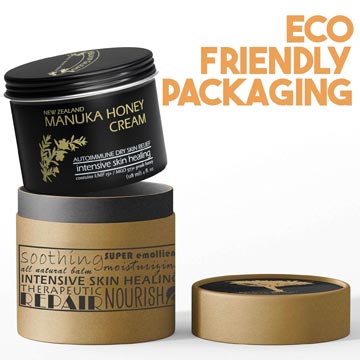
Beef tallow skincare has been popping up everywhere lately - or maybe I’m just noticing it more, especially on social media. People are calling it a natural miracle for dry skin, fine lines, and irritation. At first, the idea of putting beef fat on your face sounds strange, but curiosity got the best of me and I just happened to get a free product to try out.
What Is Beef Tallow?
Beef tallow is simply rendered and purified fat from cattle. When it’s cooked slowly and strained, it becomes a smooth, solid balm that melts when it touches your skin. It’s often used as a one-ingredient moisturizer - no preservatives, no fragrance, no filler.
The appeal is in its simplicity. It’s part of a growing “clean beauty” trend where people want short ingredient lists and products that feel natural. Some even make it themselves at home (I have a neighbor who is currently rendering some tallow for skincare), while others buy it from small brands that focus on grass-fed or pasture-raised sources.
Where Beef Tallow Comes From
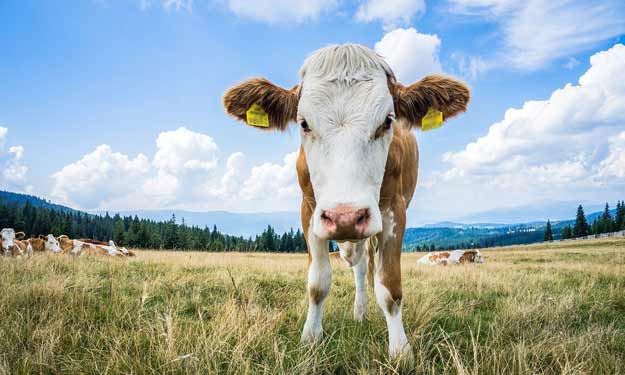
Beef tallow comes from the fat of cattle, but not all fat is the same. The highest quality tallow usually comes from the fat around the kidneys and loins, called suet. This type of fat renders down into a cleaner, smoother product with very little odor - which makes it ideal for skincare.
While tallow can technically be made from any beef fat, the source and rendering process make a big difference in quality.
- Grass-fed and pasture-raised cattle tend to produce fat that’s richer in natural nutrients like vitamins A, D, E, and K, and it often has a milder scent and creamier texture.
- Fat from conventionally raised cattle may vary more in purity and consistency, depending on diet and processing.
That’s why many brands highlight “grass-fed tallow” on their labels - it’s a way to show the product is likely cleaner, softer, and more nutrient-dense. Properly rendered tallow should smell neutral or faintly creamy, not like cooking grease. If it does smell off, it may have been overheated or gone rancid.
What Should Beef Tallow Skincare Feel Like?
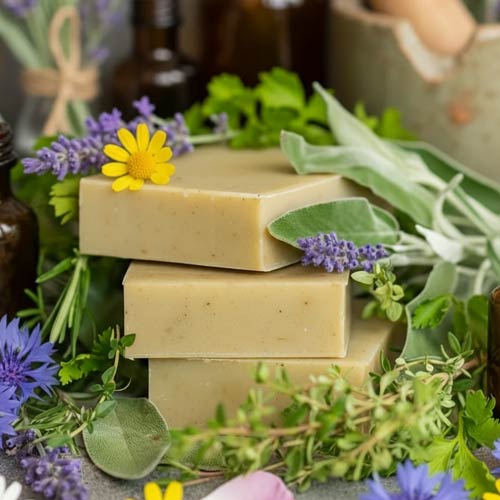
Good quality tallow should have a soft, creamy texture - almost like whipped butter. It shouldn’t feel gritty, waxy, or overly greasy. When you rub a little between your fingers, it should melt easily and spread smoothly, leaving a light, velvety layer on your skin.
If it smells like cooking oil or feels heavy and sticky, that’s a red flag. Properly rendered tallow has only a mild, clean scent and a silky consistency.
Why People Love Beef Tallow Skincare
Here’s what makes tallow so appealing to many users:
- Rich in fatty acids: It naturally contains stearic, oleic, and palmitic acids - fats similar to those found in human skin.
- Moisture barrier: It forms a protective seal that helps keep moisture in and dryness out.
- Vitamin content: Tallow holds small amounts of vitamins A, D, E, and K, which support skin health.
- Simple formula: It’s a single, recognizable ingredient that feels old-fashioned in a good way.
Many people use it for dry patches, rough elbows, chapped lips, and even as a face balm at night. Some claim it helps with eczema or fine lines, while others just like that it’s chemical-free and straightforward.
The Hype vs. Reality
There’s no question that beef tallow skincare has become a social media favorite. Everywhere you look, someone’s calling it the next big miracle - promising glassy skin, wrinkle reduction, and a complete fix for dryness or irritation.
But much of that excitement is just that - hype. The truth is, tallow works well for some people, but it’s not a cure-all. It’s rich, simple, and protective, but it won’t hydrate your skin on its own or replace a balanced skincare routine.
For most people, the results come down to skin type and expectations. If your skin is very dry or sensitive, tallow might feel soothing. If you’re prone to oiliness or breakouts, it might be too heavy.
Like many viral “natural” trends, beef tallow looks impressive in a before-and-after photo- but real skincare is rarely that dramatic. It’s less of a miracle, and more of a moisture-sealing balm that fits best as one small part of a bigger routine.
My Experience
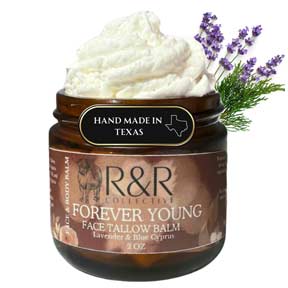
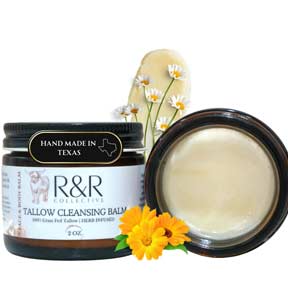
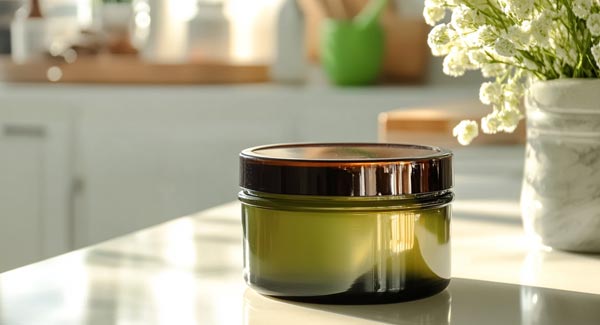
I received a jar of beef tallow balm for review, and the first thing I noticed was the texture - luxuriant, creamy, and smooth. It feels wonderful to apply, and it melts into the skin beautifully and did not feel greasy.
That said, I don’t find it particularly moisturizing on its own. My skin feels soft for a short while but not deeply hydrated. It acts more like a sealant than a moisturizer, which makes sense since it’s pure fat with no water-based ingredients.
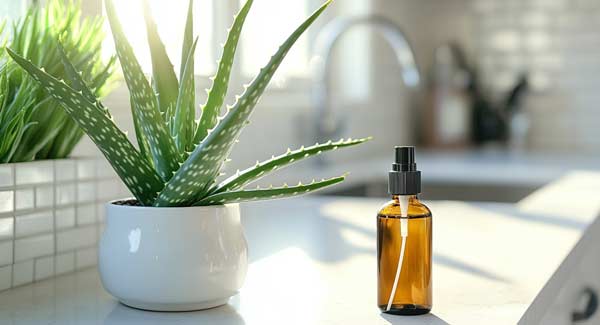
I had better results using it after applying something hydrating - like an aloe mist or hyaluronic serum - then sealing it in with a small amount of tallow. Used that way, it does help my skin stay comfortable and protected.
What did surprise me, though, was the label. The jar said it was made in China, yet it didn’t specify where the beef was sourced from. That raised a few questions for me, since China isn’t typically known for large-scale cattle farming or beef production like the U.S., Australia, or South America.
It doesn’t necessarily mean the product is poor quality, but it did make me curious about how it was produced and where the fat came from. For something animal-based, transparency really matters - and I’d personally prefer a brand that clearly states its sourcing, especially if it’s grass-fed or locally made.
But What About Vegans and Ethics?
Because beef tallow is animal derived, it’s not vegan-friendly. That’s something to consider if you avoid animal products for ethical or environmental reasons.
Some companies market their tallow as sustainably sourced or “no-waste,” using fat from grass-fed cattle. For people who already consume meat, that can feel like a responsible way to use the whole animal.
Still, if you prefer plant-based skincare, there are great alternatives with similar richness - shea butter, cocoa butter, mango butter, or plant-based oils made from olives or sugarcane. These options provide the same type of barrier protection without the ethical concerns.
What Do Dermatologists Say?
Dermatologists don’t dismiss tallow completely, but they don’t consider it a cure-all either. It’s effective at sealing in moisture, but it’s not a hydrating ingredient by itself. For people with very dry, sensitive, or mature skin, it can work as a soothing layer on top of other products. But for oily or acne-prone skin, it can easily clog pores and cause breakouts.
It’s fine in moderation, especially on body areas that need extra care (like hands, heels, or elbows). Just don’t expect it to replace your regular moisturizer or sunscreen.
Things to Keep in Mind with Beef Tallow Skincare
Before jumping in, here are a few good-to-know tips:
- Source Matters: If you’re going to try it, choose grass-fed, food-grade or cosmetic-grade tallow. Avoid anything unverified or homemade unless you’re confident about the rendering process.
- Patch Test First: Apply a tiny amount to your inner arm for a few days. Some people react to animal fats or additives in products.
- Not a Sunscreen or Anti-Aging Magic Miracle: It’s moisturizing, but it’s not SPF or a retinol replacement.
- Watch Pores: If you tend to get blackheads or breakouts, tallow may make it worse.
- Smell Check: Pure tallow should have only a mild, clean scent. If it smells like cooking grease, skip it.
Possible Risks and Side Effects
Even though beef tallow is natural and usually well-tolerated, it’s not for everyone. Here are a few things to keep in mind before trying it:
May Clog Pores
Because tallow forms a barrier on the skin, it can sometimes lock in oil or bacteria, which might lead to breakouts. It’s best used sparingly on the face or limited to very dry areas.
Not a Hydrator
Tallow locks in moisture but doesn’t add any. If your skin is already dry or dehydrated, you’ll want to apply a water-based product (like aloe or a light serum) first.
Possible Irritation or Sensitivity
Although rare, some people experience redness, itching, or small bumps after using tallow, particularly if it contains additives or essential oils. Always patch test first.
Beef Tallow Skincare Can Go Rancid
Because it’s an animal fat, tallow can spoil if stored in a warm or humid environment. Keep it in a cool, dark place, and discard if the scent changes or it feels grainy.
Ethical and Allergy Concerns
Anyone avoiding animal products or sensitive to certain animal-based ingredients should skip it and choose a plant-based option instead.
If you’re new to tallow, try it first on your hands, elbows, or a small area of dry skin before using it on your face. Your skin will tell you quickly whether it likes it or not.
Takeaway on Beef Tallow Skincare
Using beef tallow isn’t new - it’s more like an old-fashioned idea that got a social media makeover. For people with very dry, sensitive, or mature skin, it can act as a simple, gentle balm that locks in moisture. For others, especially those with oily or acne-prone skin, it might be too heavy.
I’d call it a nice option, not a miracle. Like many natural remedies, it depends on your skin type and what you expect from it. Personally, I love exploring new things, but I still use a mix of both - the old and the new - when it comes to skincare.
If you’re curious (like me), try it slowly. Start small, patch test, and see how your skin feels. Worst case, you’ve got a story to tell. Best case? You find a new favorite balm that feels straight out of the past - with a modern twist.
Related Articles
National Library of Medicine - https://pmc.ncbi.nlm.nih.gov/articles/PMC11193910/
The School for Aromatic Studies - https://aromaticstudies.com/tallow-and-the-skin/