Essential Oil Safety & Precautions
Essential oils can be a wonderful addition to daily life, from supporting relaxation to freshening your home. But because they are highly concentrated plant extracts, they should always be used thoughtfully. “Natural” doesn’t automatically mean harmless, and understanding a few basic essential oil safety rules can help prevent irritation or unwanted reactions.
Why Essential Oil Safety Matters
Essential oils are created by extracting aromatic compounds from large amounts of plant material. That concentration is what makes them effective - but it’s also why they should never be treated like regular skincare oils or fragrances.
Using Essential Oils Properly Helps
- Protect your skin
- Prevent headaches or sensitivities
- Reduce risks for children, pets, and sensitive individuals
Diluting Essential Oils
One of the most important safety rules is never applying essential oils undiluted (neat) to the skin unless you are working with a professional who has advised otherwise.
Using Essential Oils Neat
Using essential oils neat can cause issues:
- Skin irritation or burning
- Redness, itching, or rashes
- Sensitization (where skin becomes reactive over time)
- Long-term sensitivity to that oil
Even oils that seem gentle can cause problems when used straight.
Safer Options
- Mix essential oils with a carrier oil
- Use lower dilutions for daily use
- Reduce strength for sensitive skin, older adults, or frequent application
When it comes to using essential oils safely, more is not better.
Sun Sensitivity (Phototoxic Essential Oils)
Some essential oils can make skin more sensitive to sunlight, a reaction known as phototoxicity. When these oils are applied to the skin and then exposed to UV light, they can cause burns, blistering, or dark pigmentation.
Common Phototoxic Essential Oils
Avoid sun exposure for at least 12 to 24 hours after topical use of these oils:
- Bergamot (unless labeled bergaptene-free or FCF)
- Lemon
- Lime
- Grapefruit
- Bitter Orange
- Sweet Orange (milder but still caution-worthy)
Note: Phototoxicity is mainly a concern with topical use, not diffusing.
Essential Oil Safety During Pregnancy or While Nursing
Pregnancy and breastfeeding are times when extra caution is important.
Some Essential Oils Can
- Be too stimulating
- Affect hormones
- Cross into the bloodstream more easily
General Safety Tips
- Use fewer oils and lower dilutions
- Avoid prolonged or heavy diffusing
- Skip topical use unless you’re confident the oil is pregnancy-safe
- Always check with a healthcare provider before use
Even oils considered “gentle” should be used conservatively during this time.
Choosing Quality Essential Oils
Not all essential oils are created equal. Poor quality oils can contain:
- Synthetic fragrance additives
- Fillers or diluted oils
- Chemical residues
What to Look For When Buying Essential Oils
- Purchased from reputable sellers
- Clearly labeled with the plant’s botanical name
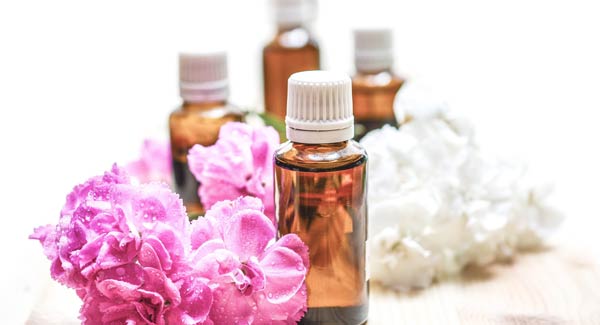
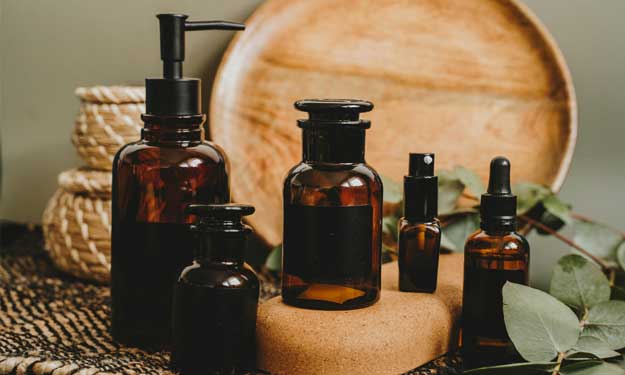
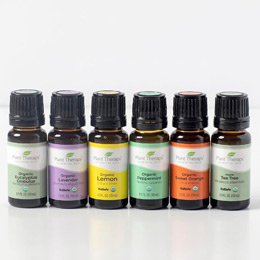
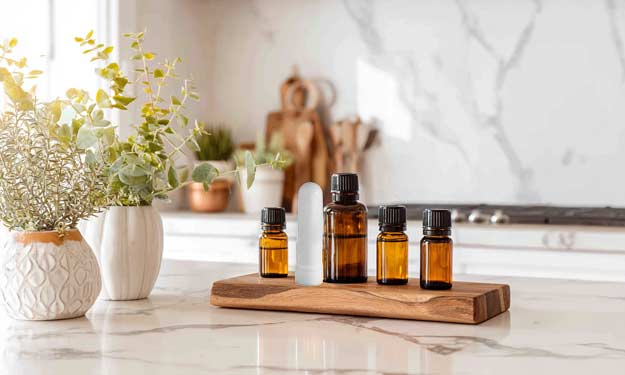
- Stored in dark glass bottles
Why Dark Glass and Not Plastic?
Essential Oils Can
- Break down plastic over time
- Leach chemicals from plastic containers
- Lose potency when exposed to light
Dark glass helps protect the oil’s quality, scent, and safety.
Safe Ways to Use Essential Oils
If you’re looking for low risk, everyday ways to enjoy essential oils, these methods are generally the safest.
Diffusing
- Use fewer drops than recommended if you’re sensitive
- Diffuse in open or well ventilated spaces
- Take breaks instead of running all day
Cleaning & Home Use
- Add oils to vinegar or alcohol based cleaners
- Avoid mixing oils directly with water without an emulsifier
- Keep cleaning blends away from eyes and skin
Aromatic Use
- Inhalation sticks or cotton balls
- Scenting drawers or linens
- Steam inhalation (with caution and distance)
These methods allow you to enjoy essential oils without direct skin contact.
Essential Oil Safety: Children & Pets
Children and animals are more sensitive to essential oils than adults.
Essential Oil Safety for Children
- Use very mild dilutions
- Avoid strong or stimulating oils
- Never apply oils to hands, face, or near eyes
Essential Oil Safety for Pets
- Avoid diffusing in small, enclosed areas
- Never apply oils directly to fur or paws
- Watch for signs of distress (leaving the room, sneezing, lethargy)
When in doubt, skip use around pets or consult a veterinarian familiar with essential oils.
Essential Oil Storage & Shelf Life
To Keep Essential Oils Safe and Effective
- Store in dark glass bottles
- Keep away from heat and sunlight
- Close lids tightly after use
- Discard oils that smell “off” or look cloudy
Old or oxidized oils are more likely to irritate the skin.
Listening to Your Body
If an Essential Oil Causes
- Headaches
- Dizziness
- Skin irritation
- Nausea
Stop using it. Essential oils should feel supportive, not overwhelming.
Essential Oil Safety and Awareness
Essential oils can be enjoyed safely with just a little awareness and care. Choosing quality oils, using proper dilution, and respecting individual sensitivities go a long way in preventing problems. When in doubt, use less, dilute properly, and listen to your body - simple steps that make all the difference.