Essential Oil and Aromatherapy Questions
Are you curious about essential oils and how aromatherapy works? You’re not alone. Whether you're just getting started or you've been using oils for years, questions always seem to pop up. Here are some of the most common (and not so common) things people wonder about when it comes to using essential oils and aromatherapy in everyday life.
What Are Essential Oils?
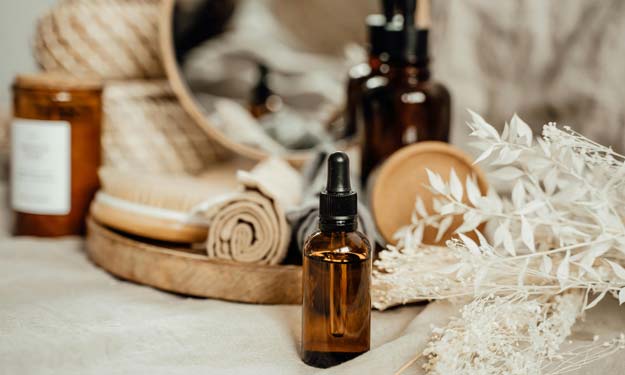
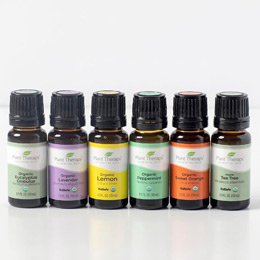
Essential oils are concentrated plant extracts that capture the natural scent and beneficial properties of the plant they come from, whether that’s lavender, eucalyptus, peppermint, or something more exotic like ylang ylang or vetiver. They’re often used in diffusers, DIY products, massage oils, or even added to a bath for a relaxing soak. Just a few drops can go a long way.
How Does Aromatherapy Work?
Smell is a powerful thing. When you inhale essential oils, the scent travels through your nose and straight to the limbic system, which helps control mood, memory, and emotion. That’s why certain scents can feel calming, energizing, or grounding. Aromatherapy is simply using those scents to support how you feel - physically or emotionally.
Does It Really Make a Difference?
For a lot of people the answer is yes. A calming blend at bedtime can help you unwind, while something minty and fresh might perk you up on a sluggish afternoon. It may not work for every situation, but it can be a helpful tool in your self-care or wellness routine.
Can You Put Essential Oils Directly On Your Skin?
Not without diluting them first. Most essential oils are too strong to apply straight to your skin. You should always mix them with a carrier oil like coconut, jojoba, or sweet almond oil to avoid irritation. A good rule of thumb: about 1-2 drops of essential oil per teaspoon of carrier oil for everyday use.
What’s a Carrier Oil?
Carrier oils are base oils used to dilute essential oils before you put them on your skin. They’re usually cold pressed from nuts, seeds, or plants and don’t have a strong smell of their own.
Is It Safe to Use Essential Oils Around Pets or Kids?
It’s important to know about the essential oil you’re using. Some oils are fine, while others can be harmful - especially to cats, dogs, or young children. For example, tea tree oil is great for adult skin care, but toxic to pets. Always check before diffusing or applying oils around sensitive family members (pets included).
What Are the Best Ways to Use Essential Oils?
There are a few easy and practical ways to use essential oils:
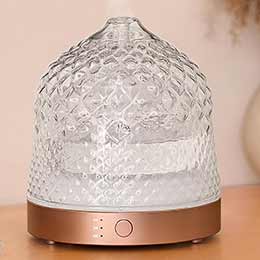
- Diffusing: Add a few drops to a diffuser and let the scent fill the room.
- Topical use: Mix with a carrier oil and apply to pulse points or sore muscles.
- In the bath: Combine oils with Epsom salt or a bit of carrier oil before adding to the tub.
- DIY products: Cleaning sprays, room sprays, roll-ons, or skincare recipes.
Can You Use Essential Oils in Cleaning?
Yes. Oils like lemon, tea tree, eucalyptus, and lavender are great for homemade cleaning sprays or freshening up laundry. They can cut through grease, kill germs, and leave things smelling fresh without the need for harsh chemicals.
Do Essential Oils Expire?
They don’t last forever, but if stored properly (away from heat and sunlight), most essential oils will last a couple of years, some even longer. Citrus oils tend to break down faster, while woodsy or resin-based oils like patchouli or frankincense can improve with age.
What If You Don’t Like the Smell?
Trust your nose. If you don’t like the scent, you’re probably not going to want to use it as that will defeat the purpose. There’s usually more than one oil that offers similar benefits, so try something else that smells better to you. Aromatherapy should feel like a treat, not a chore.
Using essential oils and exploring aromatherapy doesn’t have to be complicated or intimidating. Start simple, go slow, and pay attention to what makes you feel good. Whether you’re looking for better sleep, a little stress relief, or a fresh smelling home, there’s likely an oil - or a blend - that works for you.