Professional Essential Oil Extraction and Home Extraction Methods
When you think about essential oils, it’s easy to focus on their scent or how they make you feel - calm, energized, or comforted. But behind every bottle is a fascinating process that determines how that oil came to be. Essential oil extraction methods are what draw out a plant’s aromatic compounds and turn them into concentrated oils.
Each method has its own strengths, working best with certain types of plant materials - from sturdy roots and leaves to delicate flower petals. Knowing how these processes work helps explain why no two oils are exactly the same.
Steam Distillation Method
Steam distillation is the most common way essential oils are made. Hot steam passes through the plant material, causing its aromatic compounds to evaporate. The vapor cools and condenses into a liquid that naturally separates into water and oil.
Best Plant Materials
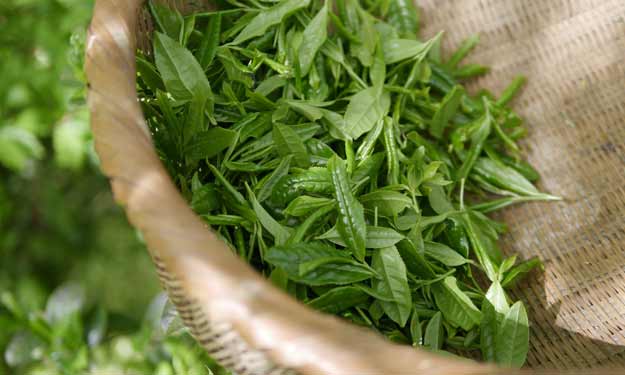
This method works best with hardy plant parts such as leaves, stems, bark, roots, and seeds - or example, lavender, eucalyptus, rosemary, peppermint, and tea tree. These materials handle heat well while retaining their fragrance.
Cold Press Extraction Method
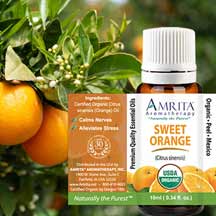
Also called expression, this process mechanically squeezes oil from the rinds or peels of citrus fruits without using heat or solvents. When the peel is pressed, its natural oils are released from tiny pockets just beneath the surface.
Best Plant Materials
Cold pressing works best with citrus fruits such as orange, lemon, lime, bergamot, grapefruit, and tangerine.
Solvent Extraction Method
Solvent extraction uses a liquid - often hexane or ethanol - to dissolve aromatic compounds from delicate plants. Once extracted, the solvent is removed, leaving behind a thick, wax-like aromatic material (called a concrete). This material is then washed with alcohol to separate the pure aromatic compounds known as an absolute.
Best Plant Materials
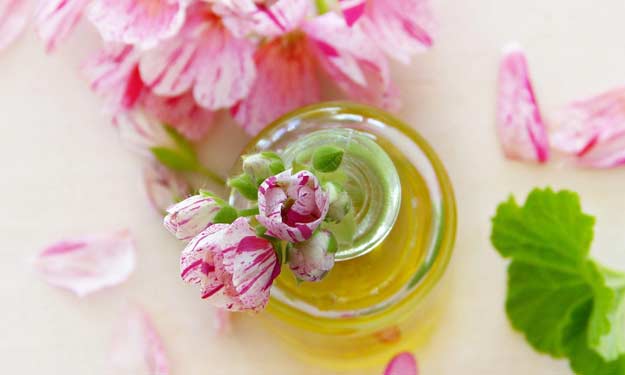
This method is ideal for fragile flowers and botanicals that can’t handle heat, such as jasmine, tuberose, violet, and mimosa.
CO2 Extraction Method
In this modern technique, carbon dioxide is pressurized until it becomes a supercritical fluid - part liquid, part gas. It gently extracts essential oils without damaging sensitive compounds. Once the pressure is released, the CO2 evaporates, leaving behind pure, aromatic oil.
Best Plant Materials
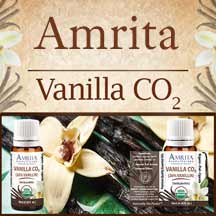
CO2 extraction works beautifully with herbs, spices, resins, roots, and delicate flowers such as chamomile, frankincense, vanilla, and ginger. This method preserves more of the plant’s natural scent and therapeutic properties than steam distillation.
Enfleurage Extraction Method
One of the oldest and most romantic techniques, enfleurage uses fat to capture the fragrance of fresh flower petals. Petals are laid on a layer of fat that absorbs their scent. The process is repeated with fresh petals until the fat is saturated, then alcohol is used to extract the fragrant oil.
Best Plant Materials
Enfleurage is best suited for extremely delicate flowers such as jasmine, tuberose, gardenia, and lilac, which lose their aroma when exposed to heat.
Home Extraction Methods
You don’t need fancy equipment to explore the world of scent. Several simple, hands-on extraction methods can be done right at home. While these won’t create concentrated “true” essential oils, they do produce beautifully scented infused oils for DIY beauty, cleaning, or aromatherapy projects.
Oil Infusion (Maceration)
The easiest and most common DIY method. Dried or fresh plant material - like lavender buds, rosemary, citrus peel, or calendula petals - is soaked in a carrier oil such as olive, jojoba, or sweet almond oil. Over time, the carrier oil absorbs the plant’s aroma and beneficial properties.
How to Do It
Place herbs or flowers in a clean glass jar, cover completely with carrier oil, and seal. Let it sit for 2 to 4 weeks in a warm spot, shaking occasionally. Strain through cheesecloth when ready.
Best for: herbs and flowers with gentle, natural aromas such as lavender, chamomile, mint, rose, rosemary, or citrus peel.
Alcohol Extraction (Tincture-Style)
This technique uses high-proof, food-grade alcohol to extract aromatic compounds and is great for making natural perfumes or room sprays.
How to Do It
Cover the plant material with alcohol (like vodka) in a glass jar. Let it sit for 1 to 2 weeks, shaking daily. Strain and allow a bit of alcohol to evaporate to intensify the scent.
Best for: resins, dried herbs, and fragrant flowers such as rose or jasmine.
Simple Steam Distillation
Small countertop stills or distillation kits mimic professional equipment on a smaller scale.
How to Do It
Heat water below a chamber containing your plant material. As steam rises, it carries aromatic compounds into a condenser where oil and water naturally separate.
Best for: sturdy herbs like lavender, mint, rosemary, eucalyptus, and citrus peels.
Simplified Enfleurage Method
This old-fashioned but intriguing process can be done using natural fats such as shea butter or coconut oil.
How to Do It
Spread softened fat on a glass dish, press fresh flower petals (like jasmine or gardenia) into it, and cover. Replace the petals daily until the fat takes on the scent, then gently melt and strain.
Best for: delicate flowers that don’t tolerate heat, like jasmine, lilac, and tuberose.
Home vs. Professional Extraction
Home methods beautifully capture a plant’s fragrance, but they don’t produce pure essential oils. Professional essential oil extraction methods - such as steam distillation or CO2 extraction - use precise temperatures and equipment to isolate volatile oils.
Homemade infusions create scented or infused oils rather than concentrated essential oils. They’re still wonderful for massage blends, bath oils, and cleaning recipes - just milder in strength. The fun part is experimenting safely with ingredients you love and creating something that’s your own.
Essential Oil Extraction Methods
Every essential oil extraction method tells part of a plant’s story. Some rely on centuries-old traditions, while others use modern innovation to preserve delicate notes. Together, they allow us to enjoy the essence of plants in their purest form.
Whether through steam, pressure, CO2, or time honored enfleurage, the method used shapes the aroma, texture, and quality of the oils we love to use and explore.