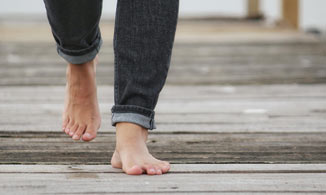
Cracked Heels
If you’ve ever looked down and noticed dry, rough skin on your heels - maybe even painful cracks - you’re definitely not alone. I deal with this from time to time myself, and it’s amazing how fast those rough patches can turn into deep splits that snag on socks or hurt when you walk barefoot. While cracked heels often seem like just a cosmetic issue, it’s a sign your skin needs a little extra care and protection.
Understanding why it happens is the first step in getting your heels back in soft, comfortable shape again.
Why Do We Get Cracked Heels?
Our heels take a lot of pressure every single day. If the skin becomes too dry or thick to stretch, it splits instead - especially around the edges where the fat pad expands outward when we stand.
Common Causes Include
- Dry skin from low humidity or cold weather
- A buildup of hard, thick skin (calluses)
- Hot showers and harsh soaps that strip natural oils
- Walking barefoot on hard surfaces
- Wearing open-back shoes or sandals often
- Age as skin loses elasticity over time
Cracked Heels May Be Associated With
- Diabetes
- Thyroid issues
- Athlete’s foot or fungal infections
- Eczema or psoriasis
- Obesity - more pressure on the heels
- Nutrient deficiencies such as zinc, omega-3s, or vitamin C
A Personal Note on My Cracked Heels
I have dry, cracked heels - always have. I walk a lot and I’m forever running around barefoot, so they take a beating. Every once in a while when I would get a manicure, I’d treat myself to a pedicure just to pamper my heels. They would use one of those tough rasps - basically a cheese grater for feet - and I’d walk out feeling like I had brand new heels.
I’m pretty sure those graters have been banned in many salons now, because they can remove too much skin, cause tiny cuts, or even spread infection between clients.
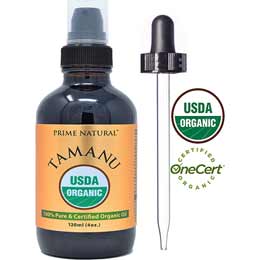
Then, quite by accident, I found tamanu oil. I would apply it at night, put on socks, and by morning my heels were noticeably softer - sometimes dramatically better after just one treatment.
Spotlight: Tamanu Oil for Cracked Heels
Tamanu oil comes from the nuts of the tamanu tree. What makes it special is how deeply it moisturizes and supports skin repair.
Benefits of Tamanu Oil
- Helps soothe cracked, irritated skin
- Absorbs deeply rather than sitting on top
- Supports healthy skin renewal
- Gentle enough for most skin types
How to Use Tamanu Oil
Massage a thin layer onto clean, dry heels before bed, put on cotton socks, wake up to smoother skin. A little goes a long way.
Home Remedies for Cracked Heels
Soak and Soften
Give your heels a warm (not hot!) water soak for 10 to 15 minutes. Optional add-ins:
- Epsom salt
- Apple cider vinegar
- Colloidal oatmeal
Pat dry - don’t scrub aggressively.
Gentle Exfoliation
While the skin is softened:
- Use a pumice stone or foot file to buff away dead skin
- Avoid over-exfoliating - it can make cracking worse
Apply a Thick Moisturizer
Before bed is best - that’s when your skin repairs itself. Great choices include:
- Creams with urea, lactic acid, or salicylic acid
- Coconut oil, shea butter, jojoba oil, or olive oil
- Tamanu oil for tougher cracks
Seal the moisture in with socks.
Note: If you’re pregnant (or might become pregnant), talk with your doctor or dermatologist before using creams with urea, lactic acid, or salicylic acid - or choose a gentle, natural moisturizers instead.
DIY Heel Balms
Try one of these simple mixes, depending on what your heels need most:
Deep Softening Balm
- Melt coconut oil, shea butter, and a little beeswax together
- Let cool until solid
- Apply nightly for rich, lasting moisture
Soothing Aloe Repair Gel
- Mix aloe vera gel with a few drops of vitamin E oil
- Great for irritated or cracked skin that needs calming
Hydration Booster
- Combine equal parts glycerin and rose water
- Spread onto heels and wear socks overnight to lock it in
Honey Healing Mask
- Apply a thin layer of honey to heels
- Leave on 10 to 15 minutes
- Rinse, then apply moisturizer
Oat Comfort Paste
- Mix finely ground oats with warm water into a paste
- Apply for 10 minutes to soothe and soften rough areas
For best results, use one or a mix of these 3 to 4 nights in a row, then maintain with daily moisturizing.
Mud Bath for Feet
It sounds a little wild, but a gentle foot mud bath can help soften stubborn dry skin and calm irritation - especially if your heels are cracked or inflamed. Many types of therapeutic mud are naturally rich in minerals like magnesium, calcium, and potassium that help hydrate and soothe the skin.
You don’t need a beach or a spa to try this:
How To Do a Mud Bath for Dry Cracked Heels
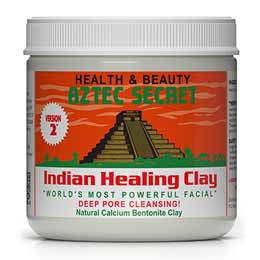
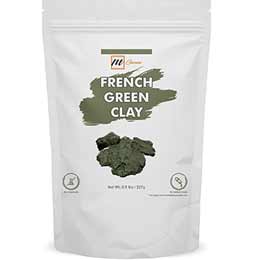
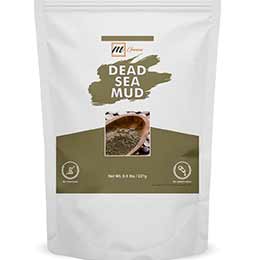
- Mix bentonite clay, Dead Sea mud, or French green clay with warm water
- Apply a thick layer to your feet (focus on the heels)
- Let it sit for 10–15 minutes
- Rinse with warm water and pat dry
- Follow with moisturizer or tamanu oil and socks
Why This Can Help
- Softens rough, thickened skin
- May draw out impurities and sweat buildup from calluses
- Minerals help soothe irritation and dryness
It’s a little messy - but totally worth it when you want a spa style moment at home.
Note: If your heels have deeper cracks, keep the mud slightly damp and rinse before it fully hardens to avoid pulling the skin apart.
Preventing Cracked Heels: Keeping Heels Soft Longer
Healthy heels are a combination of hydration, protection, and gentle care. These simple steps help maintain soft skin and keep your heels from splitting in the first place.
- Moisturize daily, especially after bathing
- Avoid barefoot walking on tile or concrete
- Choose supportive shoes that hold the heel firmly
- Skip super-hot showers
- Stay hydrated
- Gently exfoliate weekly to prevent thick buildup
Small habits make a big difference over time.
When to See a Doctor
Most cracked heels heal nicely with home care but you should get help if:
- Cracks are deep or bleeding
- There are signs of infection (warmth, redness, swelling)
- You live with diabetes and notice any foot wound
- The problem keeps coming back
Our feet do the heavy lifting - literally. A tiny bit of TLC keeps them in good shape and prevents painful splits from sneaking back in.
Cracked Heels: A Little TLC Goes a Long Way
Cracked heels happen to so many of us, and usually it’s just skin crying out for a little extra moisture and protection. With some simple soaking, gentle exfoliation, the right moisturizer, and a bit of consistency, you can turn rough, painful heels back into soft, happy ones.
Taking care of your feet is one of those small forms of self-care that makes a big difference every time you take a step.
Shopping List