
Water Retention - Finding Relief
Feeling puffy, swollen, or like your rings don’t quite fit? That uncomfortable bloated feeling might be water retention -also known as fluid retention, water weight, or in some cases, edema - when your body holds on to excess fluid. I recently tried a water flush pill to see if it could help with that temporary heaviness, and while it seemed to work, it also left me wondering if there are better alternatives.
Curiosity got the best of me - as usual - and I started looking into what causes water retention and whether there are other natural ways to help manage it.
What Causes Water Retention?
Water retention happens when your body holds on to extra fluid instead of getting rid of it like it normally would. It can show up as puffiness in your hands, feet, legs, or even your face - and it’s usually caused by more than one thing. Some common triggers include:
Too Much Salt
Salt can cause your body to hold on to water. If you’ve had a salty meal or eaten a lot of processed foods, you might notice swelling or that “tight ring” feeling the next day.
Not Drinking Enough Water
Ironically, dehydration can cause water retention. When your body isn’t getting enough fluids, it tends to hold on to what it has, just in case.
Hormones
PMS, perimenopause, or even hormone imbalances can lead to bloating and fluid buildup - especially in the days leading up to your period.
Inactivity or Long Periods of Sitting
Ever notice your ankles swell after a long flight or sitting for hours at a desk? That’s fluid collecting due to poor circulation.
Certain Medications
Some medications - including steroids, NSAIDs, and gabapentin (which I take for a neurogenic cough) - can cause water retention as a side effect. It’s not always immediate, and it’s easy to blame it on diet or weather.
Health Conditions
Heart, liver, or kidney issues can all lead to more serious types of fluid retention. These are the kinds that usually require medical evaluation, especially if swelling is ongoing or worsening.
Water Flush Pills and Water Retention
Water flush pills are marketed to help the body release extra fluid - not fat or long-term weight, just water that’s sitting in your tissues and making you feel sluggish or swollen. These are typically taken for short-term relief from bloating or puffiness due to the things listed above.
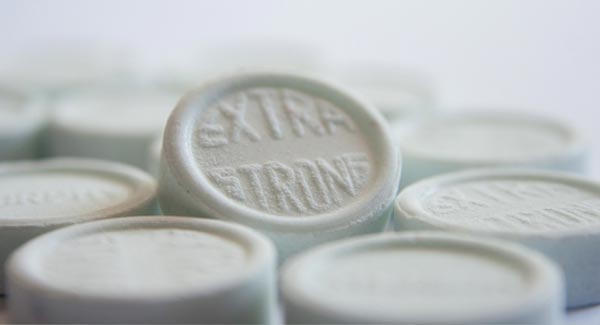
The one I tried contained a mix of herbal ingredients like dandelion, juniper, and cranberry, plus potassium and vitamin B6. It was just one pill, and I did notice an increase in bathroom trips, along with less bloating a few hours later.
Are There Risks Taking a Water Flush Pill?
Yes. Any pill that encourages your body to shed water can also affect your electrolyte balance, especially if you’re not staying properly hydrated or if you’re using it often.
Some things I came across:
- Electrolyte Imbalance – Losing too much sodium or potassium can leave you dizzy, weak, or crampy.
- Medication Interactions – Herbs like dandelion and juniper may interfere with medications that affect the kidneys, blood pressure, or liver metabolism.
- Underlying Health Conditions – If you have kidney, liver, or heart conditions, or take prescription diuretics, using these over-the-counter pills can complicate things.
I only take mine occasionally and drink plenty of water alongside it. (It sounds backwards, but drinking water actually helps flush things better.)
Are Water Flush Pills Worth It for Water Retention?
For temporary water retention, these pills did help me - but I only use them with care and not as a daily habit. And as always, it’s best to ask your doctor about them if you're unsure.
In the end, water retention is a symptom, not the root issue. Whether it’s diet, hormones, inactivity, or something else, there’s usually a reason your body is holding on to extra fluid. These kinds of pills might help for a day or two, but it’s worth looking at the bigger picture too.
Home Remedies for Water Retention
If you’re not comfortable taking a pill, or just want a gentler approach, there are some easy home remedies that may help reduce water retention naturally. Here are a few that I’ve tried:
Cut Back on Salt
Salt is one of the most common causes of water retention. Even reducing processed foods for a day or two can make a noticeable difference.
Drink More Water
It sounds counterintuitive, but the more hydrated you are, the less your body feels the need to “hold on” to extra water. I notice the difference if I stay on top of my fluids - especially in hot weather.
Eat More Potassium Rich Foods
Bananas, spinach, sweet potatoes, and avocados are all high in potassium, which helps balance out sodium and supports healthy fluid levels.
Move Around
If you’ve been sitting or standing too long (traveling, desk work, etc.), get up and stretch or walk around. Gentle movement helps your lymphatic system move fluid more efficiently.
Warm Lemon Water
Some people swear by a glass of warm lemon water in the morning to help stimulate digestion and reduce bloat. It’s a small step but worth trying.
Herbal Teas
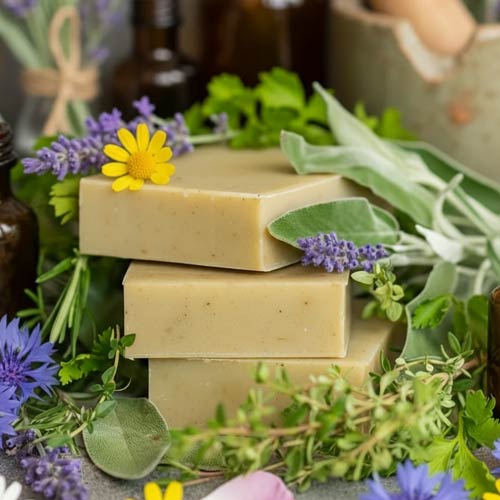
Teas made with parsley, dandelion root, or hibiscus are popular for their mild diuretic effects.
Water Retention Safety Notes
Most of the time, water retention is just uncomfortable - not dangerous. But sometimes, it can point to something going on under the surface. If you're noticing ongoing swelling, especially in your legs, feet, hands, or around your eyes, or if you're suddenly gaining weight with no clear reason, it might be time to talk to your doctor.
And while home remedies and occasional pills may offer short-term relief, they’re not meant to treat medical conditions. If you take prescription medications, have a heart, kidney, or liver condition, or just aren’t sure what’s causing your water retention – talk to your doctor.
Water Retention
Water retention isn’t always something to worry about, but it can be uncomfortable when it shows up unexpectedly. Whether it’s due to diet, hormones, medication, or travel, I’ve found that staying hydrated, moving around more, and using natural remedies can go a long way. Pills may help for short-term relief, but understanding why it’s happening is the key to keeping things in balance.