
Are There Natural Options for Termites?
Termites aren’t just a Southern issue, but living here, they’re something you want to keep an eye out for. I was out in the yard working the other day and started noticing them flying onto what I was doing.
I guess this is typical, but in the time we’ve lived here, it was the first time I had seen them flying around me like that. Even if you haven’t dealt with them before, that kind of activity can make you stop and take notice.
While severe infestations usually need professional treatment (and they do try to get you to pay for expensive treatment plans), there are some practical home remedies for termites that can help deter them early on, reduce attraction, and help you figure out what you might be dealing with.
Why Do Termites Show Up?
So what draws termites to your home?
- Moisture (leaks, damp wood, poor drainage)
- Wood-to-soil contact
- Warm, humid temperatures (which the South has plenty of)
- Dark, undisturbed areas
Subterranean termites - common in southern states - live in the soil and travel through mud tubes to reach wood. If you’re noticing more activity, it could be tied to seasonal swarming.
Home Remedies for Termites
These methods won’t replace professional treatment for a serious infestation, but they can help manage or discourage termites if caught in the early stages.
Cardboard Traps
Simple but effective monitoring of termites is using cardboard traps. They are drawn to cellulose, which cardboard is full of.
- Wet a few pieces of cardboard
- Stack them near areas where you suspect activity
- Check regularly for termites gathering inside
- Dispose of the cardboard immediately if you see activity
This works more as a way to confirm presence than eliminate a colony.
Orange Oil
Orange oil contains a compound called d-limonene, which can be toxic to termites.
- Apply directly to small, exposed areas of infested wood
- Best for localized, visible activity
- May help kill termites on contact
While this is often referred to as orange oil, the products used in termite treatments are typically more concentrated in d-limonene than standard orange essential oil. Orange essential oil can still be used for very small areas, but it is more diluted and may not penetrate deeply into wood or reach hidden colonies.
Keep in mind, this won’t reach deep into walls or hidden colonies.
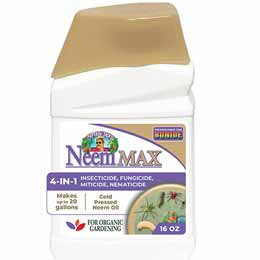
Neem Oil
Neem oil doesn’t kill termites instantly but can interfere with their ability to grow and reproduce.
- Mix with water and spray on affected areas
- Reapply over several days for better effect
- Works more gradually than other methods
Vinegar and Lemon Juice Spray
A mixture often mentioned in home remedies for termites, though its effectiveness is limited.
- Mix about 1/2 cup vinegar with the juice of 1 - 2 lemons
- Spray directly onto visible termites or entry points
- Can help kill small numbers on contact
This is more of a surface-level solution than a long-term fix.
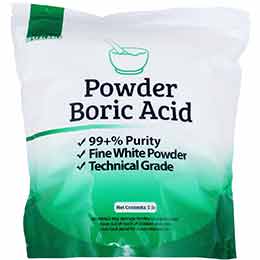
Boric Acid
Boric acid is one of the more commonly used and reliable DIY approaches.
- Sprinkle powder in cracks, crevices, and entry points
- Or mix with water and spray onto wood surfaces
- Works by disrupting the termite’s digestive system
This is a more refined form of borate and is generally more effective for pest control than basic household borax.
This can be more effective than some natural remedies, but still has limits if the colony is well-established.
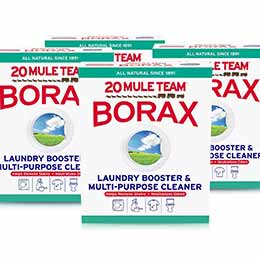
Borax
Borax is a naturally occurring mineral that is often used for cleaning, but it can also be included in home remedies for termites.
- Mix borax with water to create a spray
- Apply to wood surfaces or suspected areas
- May help deter termites and kill small numbers on contact
While borax is related to boric acid, it is less processed and not as strong, so it works better as a preventative step or for light activity rather than a solution for a larger infestation.
Moisture Control: One of the Most Important Steps
If there’s one thing that can make a difference, it’s reducing moisture.
- Fix leaking pipes, faucets, and roof issues
- Make sure gutters direct water away from the foundation
- Use a dehumidifier in damp areas
- Keep crawl spaces dry and ventilated
Termites thrive in damp environments, so removing moisture makes your home less appealing.
Wood and Yard Maintenance
A few simple habits can help keep termites away:
- Keep firewood stacked away from the house
- Avoid wood-to-soil contact when possible
- Remove old stumps, roots, and debris from the yard
- Seal cracks in the foundation and around entry points
These steps don’t eliminate termites, but they reduce the chances of attracting them.
When Home Remedies for Termites Aren’t Enough
If you start seeing signs like:
- Mud tubes along walls or foundation
- Hollow-sounding wood
- Discarded wings from swarmers
- Visible structural damage
…it’s time to call a professional. Termites work behind the scenes, and by the time damage is visible, the colony is often well established.
A Practical Approach to Termites
Using home remedies for termites can be a helpful first step - especially for monitoring, early intervention, and prevention. But they work best as part of a bigger approach that includes moisture control, routine inspection, and knowing when to bring in expert help.
Termites are just part of the environment - in many states. Staying aware, catching things early, and using a mix of prevention and simple home remedies for termites can make a real difference in protecting your home over time.
Shopping List
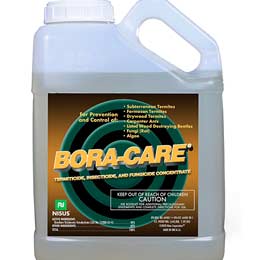
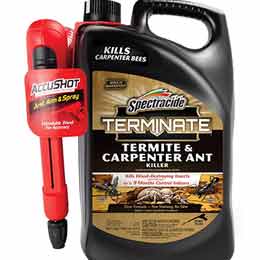
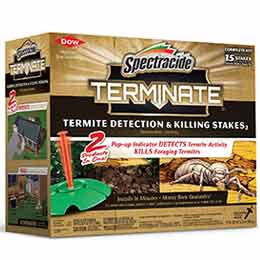
If you’re trying some of these home remedies for termites, here are a few basic items that can help. These are options and not a replacement for professional treatment if there’s a larger issue.