
What is Post Nasal Drip
Post nasal drip is mucus that moves from your nose and sinuses down the back of your throat, where it can irritate and linger. It often tends to flare when the air is dry, allergies are active, or you’re getting over a cold. The result can be a steady tickle, frequent throat clearing, hoarseness, or a cough that shows up at inconvenient times.
When post nasal drip happens, nights are the hardest for me. I'll often wake around 3 a.m. coughing; I take a few sips of water and prop myself up so gravity isn’t working against me. During the day I drink plenty of water to keep things moving.
What Does Post Nasal Drip Feel Like
These are common tells people notice with post nasal drip.
- A tickle or lump in the throat feeling that won’t quit
- Constant throat clearing or a nagging cough (often worse at night)
- Scratchy or sore throat from all the clearing
- Thick mucus and sometimes a funny taste or morning breath
- Stuffy or runny nose; maybe a little face pressure
What Causes Post Nasal Drip?
There are several reasons you may experience post nasal drip:
- Allergies or irritants (pollen, dust, perfume, smoke, weather swings)
- Colds and sinus issues that leave behind thicker mucus
- Dry indoor air from heat or AC that turns mucus into glue
- Reflux (nighttime throat clearing, sour taste, hoarseness)
- Other issues (deviated septum, polyps) if it’s long term and stubborn
Can Post Nasal Drip Wake You Up?
Yes. Lying flat allows mucus to pool where your throat is most sensitive, and your body tries to clear it. What can you do to help the situation:
- Prop yourself up – add an extra pillow or a wedge
- Rinse with saline before bed to thin and help clear mucus
- Use a humidifier if the air is dry
- Skip heavy late night meals: reflux can amplify the drip
Home Remedies for Post Nasal Drip
When mucus is thick or there’s just more of it than usual, simple home remedies can thin it out, move it along, and help calm the throat.
Hydration & Warmth
Thinner mucus moves easier. Drink (sip) plenty of fluids throughout the day - water, herbal teas, light broths. Warm drinks add a soothing effect to the throat.
Gentle Steam
Warm showers or a bowl of warm water with a towel over your head can help loosen mucus. Steam soothes, but it isn’t a cure-all. Follow steam with a saline rinse or a glass of water so loosened mucus doesn’t just sit around.
Use a Humidifier
Dry air thickens mucus. A cool-mist humidifier can help especially overnight. If you’re using a humidifier, it’s important to keep it clean to avoid mold or mineral buildup. If windows or walls feel damp, lower the setting; you want comfortable moisture.
Honey for Throat Comfort
A spoon of honey (and lemon if you like) in warm tea can ease throat irritation from frequent clearing or coughing. This is soothing rather than curative.
Note: Don’t give honey to children under one year.
Air Quality & Triggers
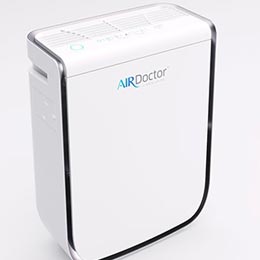
Irritants keep the nose producing extra mucus. Wash pillowcases often, change furnace filters on schedule, dust gently so you’re not kicking dust particles into the air, and avoid strong fragrances or smoke. If outdoor pollen is your trigger, a quick saline spray or rinse after coming inside can make a noticeable difference.
Gently Blow Your Nose
When I’m coughing from post nasal drip - or when my neurogenic cough kicks up - the mucus is often coming from my nose and sinuses and sliding down the back of my throat. The coughing can stir everything up and make that pooled mucus feel more obvious. If my nose starts to feel full, gently blowing my nose helps. It clears things up so there’s less to drip down and tickle my throat.
Blow gently, one nostril at a time. Hard, forceful blowing can push mucus toward your ears or sinuses and make things feel worse. Follow with saline spray to help clear where blowing can’t reach.
Saline Nasal Rinses
Saline rinsing flushes irritants and thins thick mucus. Use sterile/distilled or previously boiled and cooled water each time and keep your device clean. Isotonic saline is gentler for regular use.
Saline Recipe
If you’re making your own saline solution: for 1 cup (240 ml) distilled water: dissolve 1/2 teaspoon non-iodized salt (salt without added iodine) plus a small pinch of baking soda. Stir until fully dissolved and use when comfortably lukewarm.
Squeeze Bottle
A squeeze bottle gives a steady, gentle flow and is easy to control for efficient, everyday flushing.
How to use:
- Wash hands. Fill the clean bottle with lukewarm sterile/distilled or previously boiled water plus saline.
- Lean over a sink, keep your mouth open, and breathe through your mouth.
- Tip your head slightly forward and to the side.
- Gently squeeze until solution flows from the upper nostril and out the lower.
- Switch sides. When done, tilt your head in different directions for a few seconds to let residual saline drain, then gently exhale through your nose without force.
This is currently the method I use for thicker mucus, allergy seasons, and routine maintenance once or twice daily.
Powered Nasal Irrigator
A powered irrigator uses batteries or a plug to pull saline from an upper tank through one nostril and out the other into a lower tank. It provides a gentle, low-pressure rinse and keeps everything contained. This is good for gentle daily care and for anyone that prefers a clean, contained rinse.
Neti Pot
A neti pot relies on gravity instead of pressure. It’s slower, which many find to be more comfortable – especially with sensitive noses.
How to use:
- Wash hands and fill with lukewarm saline.
- Lean forward over the sink, mouth open; turn your head about 45 degrees.
- Place the spout at the upper nostril and pour steadily; don’t inhale through the nose.
- Switch sides and allow a minute for gentle drainage.
This is good for sensitive noses and anyone who prefers a slower, gravity-only rinse.
Saline Spray
Saline sprays are convenient for work, travel, or middle-of-the-night dryness. They don’t flush as deeply as the bottle or neti pot rinses but helps keep the nasal lining moist and help prevent thick gluey mucus.
This is good for maintenance between rinses, dry environments, and days when a full rinse feels like too much.
Cleaning Rinsing Devices
Rinse devices with hot water after each use and air-dry completely. Do a regular deep clean per the manufacturer’s instructions. Always use sterile, distilled or previously boiled water brought back to lukewarm. Mix fresh saline daily if you’re making your own. Replace bottles or pots that are cracked, discolored, or hard to fully clean.
When to See a Doctor for Post Nasal Drip
Most post nasal drip will pass. If yours doesn’t - or if you’re getting worse instead of better – talk with your doctor if:
- Symptoms last longer than 10 days or keep coming back
- Fever, worsening facial pain/pressure, or smelly discolored mucus
- Night cough that’s escalating, wheezing, chest tightness, or repeated hoarseness
- Weeks of reduced sense of smell, or you suspect polyps
- Red flags: bloody drainage, severe headache, swelling, or you just feel unwell
A doctor may look at your nose and throat, suggest allergy testing, fine-tune sprays and any medications, treat a sinus infection if needed, address reflux, and recommend over the counter options for your situation.
Is Post Nasal Drip the Same as a Runny Nose?
A runny nose goes out the front; post nasal drip goes down the back. You can have both.
Why is Morning Breath Worse?
Overnight mucus plus mouth breathing can make morning breath worse. Rinse, hydrate, and it usually gets better.
Can Saline Be Used Every Day?
Many people do use saline daily during allergy season or colds. Use distilled water and keep all your devices clean.
Post nasal drip is common and manageable. Keep mucus thin, keep the air clean, rinse regularly, and sleep a bit elevated. If symptoms drag on or get worse, check with your doctor. Simple, steady care goes a long way.