Migraines With Pain and Without
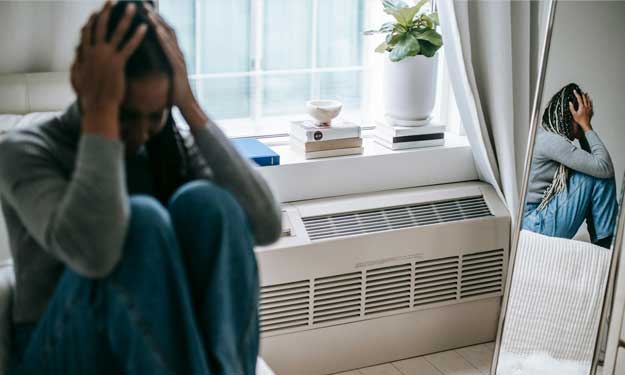
Migraines are more than just headaches. They’re a neurological condition that can cause a wide range of symptoms - from throbbing pain and nausea to dizziness and even visual disturbances. What many people don’t realize is that you can have a migraine without pain. This type is now often called “migraine aura without headache” (previously known as a silent migraine). Whether painful or not, both forms - often called silent and painful migraines - are very real and can disrupt daily life. I had to delve into this because my brother-in-law was recently told by his doctor that he has migraines without the headache.
Migraine With Pain
A migraine with pain is the classic type that most people think of.
- Headache: Usually moderate to severe, often one-sided, throbbing or pulsating in nature.
- Other symptoms: Nausea, vomiting, and extreme sensitivity to light, sound, or smells.
- Triggers: Stress, hormonal changes, certain foods, dehydration, weather changes, etc.
- Duration: Can last from 4 to 72 hours if untreated.
Migraine Aura Without Headache
A migraine without pain – also called a silent migraine or acephalgic migraine.
- No headache: You don’t get the throbbing head pain, but you still experience neurological symptoms.
- Visual disturbances (aura): Seeing white spots, zig-zag lines, flashing lights, or blind spots. These aren’t usually triggered by bright sunlight, but more by the brain’s electrical activity - so they can appear against plain backgrounds like white walls, just like you mentioned.
- Other possible symptoms: Vertigo (spinning sensation), blurred vision, dizziness, difficulty focusing, tingling or numbness in the face or hands, speech difficulty, or confusion.
- Triggers and duration: Same as with painful migraines, though some people find visual triggers like patterns or flickering lights set them off. Symptoms can last minutes to hours.
Why They Happen: Silent and Painful Migraines
Migraines are thought to be caused by temporary changes in brain activity that affect nerves, blood flow, and chemical signaling.
- In painful migraines, these changes also activate pain pathways.
- In silent migraines, the changes happen without triggering head pain, but the sensory symptoms still occur.
I know someone who sees visual white spots, and as soon as those happen, he knows what could follow is vertigo, blurry vision and possibly additional symptoms. This is part of a migraine aura. Aura can come before head pain in a “normal” migraine, or be the main event in a silent one. Both are real migraine types, and both can cause dizziness, blurred vision, and even vertigo.
Are Migraines Genetic?
Migraines often run in families. If one or both of your parents have migraines, there’s a good chance you might too. Researchers believe genetics play a role in how the brain and nervous system respond to triggers, which is why migraine patterns can be passed down.
Lifestyle factors - like stress, sleep, hydration, and diet - also play a big part. So even if you have a family history, the way you manage daily habits can make a real difference in how often migraines strike.
How Doctors Diagnose Silent and Painful Migraines
- Medical history: Your symptoms (what they are, how long they last, what sets them off, and whether they repeat in patterns) are the biggest clue.
- Symptom criteria: To be considered migraine, attacks usually:
- Last 4–72 hours (if there’s pain).
- Have at least 2 of these: throbbing pain, one-sided pain, moderate to severe intensity, worsened by activity.
- Come with nausea, vomiting, or sensitivity to light/sound.
- Aura symptoms (like white spots, zig-zags, vertigo, tingling) typically last 5–60 minutes.
- Silent migraines: Same neurological signs, but without the pain. Doctors recognize these as legitimate migraine variants.
Tests Doctors Might Do
These are tests a doctor may do to rule out other issues.
- Eye exam: To rule out retinal tears, glaucoma, or optic nerve issues.
- Neurological exam: To check balance, coordination, reflexes, and rule out seizure-like activity.
- Inner ear testing: If vertigo is strong, to check for vestibular disorders (like Ménière’s disease or vestibular neuritis).
- Imaging (MRI/CT): Usually only ordered if symptoms are new, worsening, or don’t match the typical migraine pattern - mainly to exclude stroke, MS, or tumors.
- Blood tests: Sometimes to check for circulation or clotting issues, especially if you’re older and the symptoms started later in life.
When to Seek Medical Care
A migraine diagnosis is more likely if it’s recurrent and follows a familiar pattern. But you should get checked quickly if you have:
- Sudden onset of the worst headache ever (possible bleed).
- Aura symptoms that last longer than an hour or appear on only one side (could be stroke/TIA).
- New vision loss or double vision not typical for you.
- New balance or speech problems.
- Migraines starting for the first time after age 50.
Migraines with and without pain are both “real” migraines, but the absence of pain makes them trickier to recognize. Doctors rely heavily on the pattern and ruling out other causes with exams or tests.
Home Remedies for Migraine With Pain
When the pounding headache sets in, the goal is to calm the nervous system, reduce pain, and manage sensitivity.
At the First Sign of a Migraine
- Cold compress: Place an ice pack or cold washcloth on your forehead or back of the neck to reduce pain and inflammation.
- Dark, quiet room: Rest away from noise and bright lights. Many people find 20–30 minutes in a calm space helps.
- Hydration: Dehydration is a big trigger - sip water slowly.
- Caffeine (in moderation): A small cup of coffee or tea at the start of a migraine can help constrict blood vessels and ease pain.
- Magnesium-rich foods: Almonds, pumpkin seeds, spinach, and bananas may help prevent or ease migraine attacks.
- Peppermint oil (topical): Dilute with carrier oil and apply gently to temples - cooling effect can soothe pain.
- Ginger tea: Known to reduce nausea and may have mild pain-relieving effects.
Home Remedies for Migraine Aura Without Headache
Here the focus is on aura, dizziness, blurred vision, or vertigo since head pain isn’t the main issue.
At the First Sign of Visual Changes or Vertigo
- Dim the environment: Lower lighting or wear blue-light glasses to reduce visual overstimulation.
- Rest your eyes: Look away from white walls, screens, or patterns that may worsen aura symptoms.
- Grounding techniques for vertigo: Sit or lie down, focus on a fixed object, and avoid quick head movements.
- Ginger or peppermint tea: Helps with nausea and mild dizziness.
- Lavender aromatherapy: Calming scent may reduce sensory overload.
- Stay hydrated: Just as important as with painful migraines - even mild dehydration can worsen aura or vertigo.
- Magnesium and vitamin B2 (riboflavin): Some evidence suggests these help reduce migraine frequency.
Prevention Tips: Silent and Painful Migraines
For either a migraine with pain or without:
- Sleep consistency: Go to bed and wake up at the same time daily.
- Meal routine: Don’t skip meals; keep blood sugar steady.
- Track triggers: Keep a diary of foods, stress, hormones, weather changes.
- Exercise (gentle, regular): Walking, yoga, or swimming can help reduce stress and balance brain chemistry.
Home remedies are helpful but not a cure. If symptoms worsen, change suddenly, or interfere with daily life, medical care is essential to rule out other causes and consider prescription options.
Homeopathic Remedies for Migraine With Pain
These are often chosen based on the character of the pain and what makes it better or worse:
- Belladonna – for sudden, intense, throbbing headaches, often with sensitivity to light, noise, or touch.
- Nux vomica – for migraines triggered by stress, overwork, or overindulgence in food/alcohol; often with nausea and irritability.
- Iris versicolor – for migraines with intense nausea, vomiting, or burning pain, especially after eating rich or fatty foods.
- Sanguinaria – for right-sided migraines that start in the back of the head/neck and move forward, often linked to light sensitivity.
- Glonoinum – for migraines triggered by heat or sun exposure, with a bursting or congested feeling.
Homeopathic Remedies for Migraine Aura Without Headache
Here, remedies are often chosen for aura, dizziness, and visual disturbances rather than pain:
- Gelsemium – for migraines with dizziness, blurred vision, heavy eyelids, or fatigue; often linked to stress or anticipation.
- Cocculus indicus – for migraines with vertigo, nausea, or motion sensitivity (like sea or car sickness).
- Phosphorus – for visual aura (spots, flashes, blurred vision) that may come before or without pain, with sensitivity to light.
- Cyclamen – for aura with visual disturbances such as flickering or spinning patterns, often followed by nausea or dizziness.
- Conium – for vertigo that worsens when turning the head, often with blurred vision.
What to Keep in Mind with Homeopathic Remedies
- Homeopathy is very individualized - what works for one person may not for another. Practitioners usually choose remedies based on your exact symptom profile.
- Remedies are generally considered safe since they’re highly diluted, but they should not replace medical evaluation, especially if you have sudden changes in vision, speech, or balance.
- Many people use homeopathic remedies alongside conventional or natural care (hydration, rest, cold compresses, magnesium, etc.).
Lifestyle Changes for Migraine With Pain
Focus is on reducing triggers and keeping the nervous system balanced.
- Regular sleep: Go to bed and wake up at the same time every day. Irregular sleep is a major trigger.
- Balanced meals: Don’t skip meals; low blood sugar can set off painful migraines. Keep healthy snacks (nuts, fruit, yogurt) handy.
- Stay hydrated: Aim for steady water intake throughout the day. Even mild dehydration can trigger headaches.
- Limit caffeine & alcohol: A little caffeine may help early in a migraine, but too much or sudden withdrawal can bring on pain.
- Stress management: Yoga, meditation, journaling, or breathing exercises can calm the nervous system.
- Gentle exercise: Walking, cycling, or swimming helps - but avoid sudden high-intensity workouts that could trigger an attack.
- Identify food triggers: A food diary helps spot culprits like aged cheese, chocolate, processed meats, artificial sweeteners, or red wine.
Lifestyle Changes for Migraine Aura Without Headache
Since these migraines often center on aura, dizziness, or visual issues, prevention focuses more on reducing sensory overload and stabilizing the body:
- Screen time breaks: Follow the 20-20-20 rule (every 20 minutes, look 20 feet away for 20 seconds).
- Reduce visual triggers: Soft lighting, avoiding harsh contrasts (like staring at plain white walls or flickering lights).
- Vestibular support: If vertigo is common, try balance exercises (with guidance) and avoid sudden head movements.
- Consistent hydration & electrolytes: Keeps dizziness and aura symptoms at bay.
- Gentle daily movement: Yoga, stretching, or tai chi can calm the nervous system and support balance.
- Reduce overstimulation: Quiet, dim spaces help if aura or vertigo starts.
- Mind-body relaxation: Guided imagery, meditation, or calming music can ease neurological “overfiring.”
Healthy Habits for Silent and Painful Migraines
Lifestyle changes for migraines with pain and without pain.
- Trigger tracking: Keep a diary of symptoms, foods, weather, stress, and sleep to identify patterns.
- Routine: The brain likes consistency - in meals, sleep, and daily rhythms.
- Environment control: Good ventilation, reduced exposure to strong perfumes/chemicals, and using sunglasses or hats outdoors.
- Hormonal awareness: For women, migraines may sync with cycles; tracking can help predict and prepare.
Many people find that combining lifestyle changes, home remedies (natural/homeopathic) and medical care gives them the best results.
Silent and Painful Migraines
Migraines come in more than one form. With pain, they’re hard to ignore. Without pain, they can be confusing and mistaken for other conditions. In both cases, silent and painful migraines may often be eased with lifestyle balance, home remedies, and sometimes homeopathy - but tracking patterns and seeking medical care when symptoms change is always the safest path.
Related Articles
American Migraine Foundation - Aura Without Headache or Silent Migraine