
Ramsay Hunt Syndrome
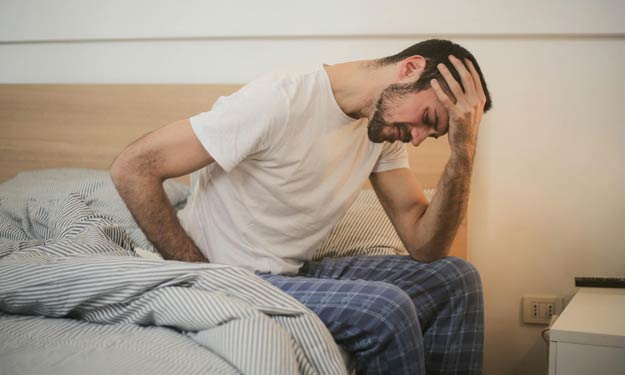
Most of us never think about our facial muscles until one day, one side just won’t cooperate.
Years ago, in my late 30s or early 40s, I noticed that one side of my face was drooping. I couldn’t completely close my eye (I got the wink down pretty good), and I couldn’t fully close it when I slept. When I flared my nostrils - only one side worked. And my arm on that same side felt weak. I remember thinking, “Well, this is strange,” and I made an appointment to see my doctor.
She recognized the signs from reading about it previously and told me I had Ramsay Hunt Syndrome (RHS). Because she caught it quickly and started treatment right away, I was fortunate - the sooner RHS is treated, the better the odds of full recovery.
I also didn’t have a rash - something that happens in some cases. When the virus reactivates without visible blisters, it’s called zoster sine herpete. That can make diagnosis tricky because it looks very similar to Bell’s palsy at first.
What Is Ramsay Hunt Syndrome?
Ramsay Hunt Syndrome (RHS) happens when the varicella-zoster virus (VZV) - the same virus that causes chickenpox and later shingles - reactivates in a nerve near the ear.
This Can Lead To
- Facial paralysis or weakness (similar to Bell’s palsy)
- Eye that won’t blink or close fully
- Ear pain or a blistering rash in or around the ear
- Hearing changes or ringing in the ear
- Taste changes
- Balance trouble or dizziness
Bell’s palsy vs. Ramsay Hunt Syndrome
Bell’s palsy involves sudden facial paralysis, usually without a rash. With RHS, the virus causes inflammation that may involve multiple nerves – so symptoms could go beyond the face.
Sometimes there isn’t a rash visible at all (zoster sine herpete), which can make RHS look almost identical to Bell’s palsy early on.
Why Does Ramsay Hunt Syndrome Happen?
After chickenpox, the virus hides in our nerves - sometimes forever. Then one day, something causes it to flare up again. Researchers aren’t exactly sure what pulls the trigger, but it may involve:
- A temporarily weakened immune system
- Stress or fatigue
- Other infections
- Age-related immune changes
Here’s something interesting …
When I developed RHS, I sat daily near a drafty glass door where cold air constantly hit my face. At the time, I researched as much as I could and thought I had read about others in similar situations (industrial fans, constant cold air on one side of the face). There is no scientific evidence or medical facts proving cold exposure causes a VZV reactivation - this was simply my observation based on what I experienced at the time.
Symptoms of Ramsay Hunt Syndrome
RHS can come on quickly. Look for:
- Sudden one-sided facial weakness or drooping
- Difficulty blinking or closing the eye
- Ear pain, sensitivity, or blistering rash
- Sound sensitivity or hearing loss
- Dizziness or balance problems
- Dry eye or tearing
- Taste changes
If you notice these - make an appointment to see your doctor right away. Early treatment greatly improves recovery.
How Is Ramsay Hunt Syndrome Treated?
Doctors generally prescribe:
- Antiviral medication
- Steroids to reduce nerve inflammation
- Pain relievers or nerve-supportive medications
- Eye protection to prevent cornea damage
- Sometimes vestibular therapy if vertigo is present
Timing Matters
Treatment within 72 hours from onset offers the best chance of complete recovery.
Home Remedies & Home Care Support
Medical treatment is needed but self-care and guided rehabilitation can support healing and comfort.
Eye Care (very important)
If the eyelid doesn’t close properly:
- Use lubricating eye drops during the day
- Apply a thicker gel or ointment at bedtime
- Tape eyelid closed or wear a soft eye patch while sleeping
- Wear sunglasses outdoors to protect from debris and dryness
Comfort Measures
- Warm compresses for nerve pain
- Cool compresses if a rash is present
- Soft foods if chewing feels weak
Facial Nerve Rehabilitation
Once inflammation calms down - often after the first few weeks - a facial-nerve specialist may recommend:
- Gentle facial massage
- Neuromuscular retraining exercises
- Controlled movements like blinking, smiling, raising eyebrows
These help the brain reconnect with healing muscles.
Supporting Your Immune System
Not a cure but helpful for recovery:
- Hydration
- Nutritious foods with vitamin C, zinc, and B vitamins
- Adequate sleep and rest
Follow-Up If Symptoms Don’t Improve
If paralysis or weakness lingers, specialists can provide:
- More advanced physical therapy
- Botox for muscle mis-wiring (synkinesis)
- Other nerve-support options
Nerves heal slowly - improvement can continue for months, sometimes even longer.
Note: Botox is used for symptomatic relief - it is not a cure. The effects are temporary and may require repeated treatments. It should only be used as recommended by your doctor.
Long-Term Effects of Ramsay Hunt Syndrome?
Many people recover very well especially with quick treatment. Others may have mild ongoing:
- Facial tightness or weakness
- Nerve sensitivity
- Eye dryness
- Rarely, chronic nerve pain
Rehab and ongoing care can help minimize long-term issues.
Recognizing Ramsay Hunt Syndrome
Ramsay Hunt Syndrome isn’t widely known - even among some doctors - and this lack of awareness can delay treatment. That’s why recognizing the symptoms matters.
If one side of your face suddenly isn’t working the way it should - don’t wait. Trust your instincts and see your doctor right away. Early treatment gives your nerves the best chance to heal. I’m grateful mine was caught in time and that I fully recovered.
Related Articles
National Library of Medicine – Ramsay Hunt Syndrome: https://www.ncbi.nlm.nih.gov/books/NBK557409/
National Library of Medicine – Ramsay Hunt Syndrome Abstract: https://pubmed.ncbi.nlm.nih.gov/11459884/