Aromatherapy Inhalers - Useful or Trendy?
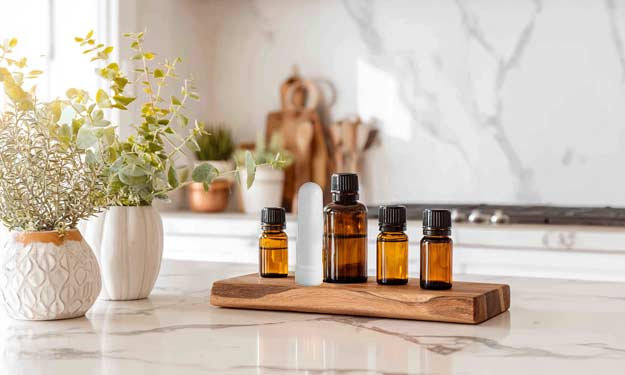
Not long ago I bought a small pack and found myself curious - are aromatherapy inhalers actually useful, good for you, or are they just another wellness trend? An aromatherapy inhaler is a compact, personal tool designed to deliver essential oil aromas directly through inhalation.
Unlike diffusers that scent an entire room, these small tubes are meant for quick, targeted aromatherapy wherever you happen to be.
Below I’m taking a look at how aromatherapy inhalers work, their common uses, and a few considerations to keep in mind if you’re thinking about using them.
What Is an Aromatherapy Inhaler?
Inhalers are typically a small plastic or metal tube containing a cotton wick soaked with essential oils. When you remove the cap and inhale, the aroma travels directly to your olfactory system.
Common Reasons People Use Them
- Stress or anxiety support
- Mental focus and alertness
- Headache support
- Nausea relief
- Temporary sinus or breathing comfort
They’re popular because they’re discreet, portable, and simple - no setup or equipment needed.
How Aromatherapy Inhalers Work
When inhaling essential oil aromas, scent molecules stimulate the olfactory nerves, which connect directly to areas of the brain involved in mood, memory, and emotional response. This is why inhalation often feels faster and more noticeable than topical use or even diffusion.
Because the aroma goes straight to your senses, especially for mood or focus, can feel almost immediate.
Pros of Using an Aromatherapy Inhaler
Convenience and simplicity are two reasons aromatherapy inhalers are often chosen and when used thoughtfully, they can offer quick aromatic support in situations where diffusers or other methods aren’t practical.
Portable and Convenient
Small enough to keep in a pocket, purse, or car. Their small size makes them easy to grab when needed.
Fast Aromatic Impact
There’s no waiting for a room to fill with scent. You inhale and notice the aroma right away.
Personal Use
Ideal if you’re sensitive to fragrances or share space with others who may not enjoy essential oils.
Uses Very Little Oil
Only a few drops are needed, making inhalers economical and low-waste.
Beginner Friendly
No dilution math or special tools - just open and inhale.
Cons of Aromatherapy Inhalers
While aromatherapy inhalers are convenient, they do come with a few limitations that are worth keeping in mind.
Short Lived Effects
The aromatic benefit fades quickly compared to diffusing or steam inhalation. You don’t get the full, immersive effect that filling a room with scent can provide.
Plastic Design
Most inhalers are plastic, which may not appeal to those who prefer other options.
Can Feel Irritating if Overused
Strong oils or frequent inhalation may cause headaches, dryness, or irritation.
Using an Aromatherapy Inhaler for Nasal Congestion
One of the reasons people use an aromatherapy inhaler is for nasal congestion. I tried one containing eucalyptus with the hope that it would help clear my nose. I do think it helped a little - there was that familiar cooling, opening sensation eucalyptus is known for - but the relief was short-lived.
I also noticed the inside of my nose felt sticky afterward. It wasn’t painful, but it was noticeable and a bit uncomfortable.
This can happen because essential oils don’t evaporate the way steam does. When you inhale directly from an inhaler, small amounts of oil can collect near the front of the nose, coating the sensitive skin and nasal hairs. Strong oils like eucalyptus are more likely to leave a noticeable sticky or tacky feeling behind, especially with repeated or deep inhalations.
Because of this, aromatherapy inhalers seem better suited for brief sensory relief rather than ongoing congestion support. Short, gentle inhales tend to work better than repeated use.
For longer lasting comfort, diffusing eucalyptus into the air, using steam inhalation, or pairing aromatherapy with a saline spray often feels gentler and more effective overall.
Best Essential Oils for Aromatherapy Inhalers
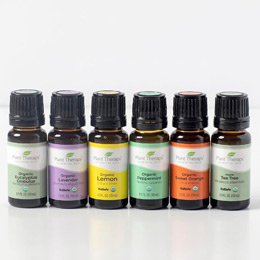
Some essential oils work especially well in inhalers because they’re bright, noticeable, and effective in small amounts:
- Peppermint – energizing and head-clearing
- Lavender – calming and grounding
- Eucalyptus – refreshing and sinus-supportive
- Lemon – uplifting and clean smelling
- Frankincense – centering and calming
Simple blends often work best. Overloading the wick can make the aroma harsh or irritating.
Safety Tips for Using an Aromatherapy Inhaler
- Make sure the inhaler is using pure essential oils, not fragrance oils
- Inhale gently - no deep or forceful breaths
- Avoid sharing inhalers with others
- Take breaks if irritation or lightheadedness occurs
For those sensitive to a scent, stop using it and try another.
How Much Essential Oil Is Used in a Homemade Aromatherapy Inhaler?
For anyone interested in making your own homemade aromatherapy inhaler and you’ve spent any time researching this, you’ve probably noticed a common recommendation is to use: 10 to 15 drops of essential oil placed directly onto the wick, with no carrier oil added. Not adding a carrier oil often surprises people, especially those used to diluting essential oils for skin use.
Inhalers are different because they are not applied to the skin. The oil stays contained within the wick and is inhaled aromatically, not absorbed topically, which is why carrier oils are typically avoided. Adding a carrier oil can actually mute the aroma, reduce effectiveness, and make the wick feel heavier or greasy.
That said, 10 to 15 drops can still be quite strong, especially with oils like eucalyptus, peppermint, or menthol-rich blends. It’s always best to start with fewer drops and adjusting based on your comfort level.
Plastic vs Aluminum Aromatherapy Inhalers
You’ll usually see aromatherapy inhalers made one of two ways:
- Plastic inhalers (most common)
- Aluminum inhalers with a glass vial holding the wick
Each has its pros and cons.
Plastic Aromatherapy Inhalers
Pros:
- Lightweight and inexpensive
- Easy to find and replace
- Convenient for travel or occasional use
Cons:
- Essential oils can degrade certain plastics over time
- Strong oils may cause plastic to absorb scent or weaken
- Not ideal for long-term reuse
Plastic inhalers are practical and widely used, but they may not be the best choice if you plan to reuse the same inhaler repeatedly or store strong oils long term.
Aluminum Aromatherapy Inhalers
Pros:
- Glass does not react with essential oils
- More durable and reusable
- Better for long-term or frequent use
- Often feels sturdier and more “finished”
Cons:
- More expensive
- Slightly heavier
- Less widely available
- Needs cleaning between scents – glass vials can retain aroma, so cleaning is needed when switching oils.
Essential oils are known to break down plastics over time, which is why aluminum inhalers with a glass insert are often considered the more stable option especially if you’re using strong oils like eucalyptus, peppermint, or blends meant for congestion or focus. That being said, if you change scents often, one-time-use plastic inhalers may be better suited to your needs.
Are Aromatherapy Inhalers Effective?
An aromatherapy inhaler isn’t meant to replace diffusers, topical blends, or other aromatherapy methods - but it can be a useful addition. These inhalers work best as a quick, personal option when you want aromatic support without filling an entire room with scent.
Many people find them handy for:
- Travel
- Work or public settings
- Stressful moments
- Quick mental resets
Precautions: Who Should (and Should Not) Use Aromatherapy Inhalers
While these can be a simple and convenient tool, direct inhalation isn’t appropriate for everyone. Knowing who should use them with caution helps prevent discomfort or unwanted reactions.
Who May Benefit from Aromatherapy Inhalers
- Adults looking for brief stress relief or focus support
- Occasional use for travel, work, or situational stress
- People already familiar with essential oils and how their body responds to them
- Those who prefer a personal aromatherapy option instead of room diffusion
Who Should Use Caution or Avoid Them Completely
Children and Infants
These inhalers are not recommended for infants or young children. Their nasal passages are more sensitive, and strong oils can be irritating or overwhelming.
People with Asthma or Respiratory Conditions
Direct inhalation may trigger coughing, tightness, or breathing discomfort in some individuals with asthma, COPD, or reactive airways.
Those Sensitive to Scents or Migraines
Strong aromas - especially peppermint, eucalyptus, or menthol-rich blends - can provoke headaches or nausea in scent-sensitive individuals.
Pregnant or Nursing Individuals
Some essential oils are not recommended during pregnancy or breastfeeding. Direct inhalation concentrates exposure, so extra caution is advised.
Anyone Experiencing Nasal Irritation
If inhalation causes burning, dryness, stickiness, or discomfort, it’s best to stop using the inhaler and switch to a gentler method like diffusion.
General Precautions to Keep in Mind
- Avoid deep, forceful inhalations
- Do not use continuously or excessively
- Keep inhalers clearly labeled and out of reach of children
- Discontinue use if irritation or discomfort occurs
They are meant for short, occasional use, not constant or heavy inhalation.
Aromatherapy Inhalers
Aromatherapy inhalers are a simple, practical aromatherapy tool - not a replacement for other methods, but a helpful companion. They’re easy to use, affordable, and convenient, with the understanding that their effects are brief and very personal. If you enjoy essential oils and want something portable and low effort, an aromatherapy inhaler can be worth trying.