Bergamot Essential Oil: A Zesty Little Powerhouse
Bergamot essential oil is one of those oils that’s easy to overlook until you actually try it. It has a fresh citrus scent, but there’s much more going on than you get with a typical lemon or orange essential oil. Bergamot is bright, slightly sweet, gently floral, and just a little bitter, which gives it a surprisingly complex aroma.
About Bergamot Essential Oil
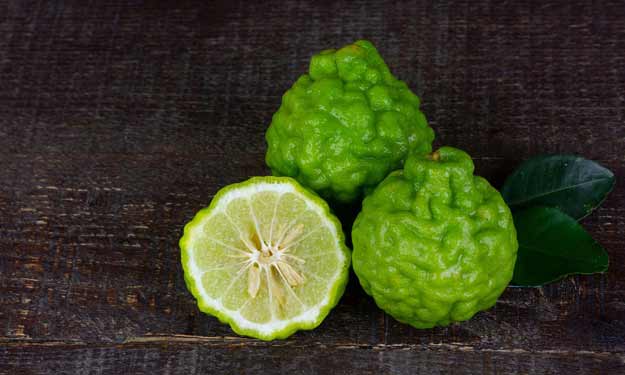
Bergamot essential oil comes from Citrus bergamia, a small citrus tree in the Rutaceae family. The essential oil is produced primarily from the rind of the bergamot fruit, traditionally by cold expression. The fruit is usually yellow to yellow-green when mature and is believed to have developed from other citrus species, although its exact botanical origins aren't completely certain.
Bergamot is especially associated with Calabria in southern Italy, where the climate and growing conditions along the Ionian coast are particularly well suited to the trees. Calabria remains the world's best-known bergamot-producing region, and the fruit has been cultivated there commercially for centuries.
Botanical name: Citrus bergamia
Plant family: Rutaceae
Plant part used: Fruit peel/rind
Common extraction method: Cold expression
Aroma: Fresh, citrusy, lightly floral, sweet, slightly bitter
Perfumery note: Top note
Commonly associated region: Calabria, southern Italy
Color: Usually pale yellow to yellow-green, although this can vary with processing and age
Most people already know the scent of bergamot without realizing it. Bergamot is what gives Earl Grey tea its distinctive citrus aroma and flavor. It also has a long history in European perfumery, particularly in traditional eau de cologne fragrances.
What Does Bergamot Essential Oil Smell Like?
The scent is bright and citrusy, but it isn't quite as sharp or straightforward as lemon or lime. There’s something softer and slightly floral about bergamot, along with a faint bitterness and subtle spicy-green quality that gives it more depth.
In aromatherapy blends, bergamot can brighten heavier oils without making the blend smell overly sweet. At the same time, its softer floral character works beautifully with relaxing oils such as lavender, frankincense, and cedarwood. That balance is one reason bergamot appears in so many diffuser blends designed for a calm, pleasant atmosphere.
Why People Use Bergamot Essential Oil
Bergamot is commonly used in aromatherapy when people want to create a calming, uplifting atmosphere. Its fresh scent can make a room feel brighter while still blending well with oils typically associated with relaxation.
It’s also used in massage oils, perfumes, soaps, bath and body products, and some skincare formulations. You may find bergamot in products intended for oily or blemish-prone skin, although topical use requires some extra care because certain forms of bergamot essential oil can be phototoxic.
Important: Cold-pressed bergamot essential oil naturally contains compounds called furanocoumarins, including bergapten, that can make skin more sensitive to ultraviolet light. If you're using bergamot on skin that may be exposed to sunlight or UV light, look for bergamot FCF or bergapten-free bergamot, which has had the primary phototoxic compounds removed. Even with FCF bergamot, essential oils should still be properly diluted before applying them to the skin.
Some Things You Might Not Know
- The bergamot fruit is extremely sour and bitter compared with the sweet citrus fruits most of us eat fresh.
- Calabria, Italy, is particularly famous for bergamot cultivation and has been closely associated with the fruit for centuries.
- Bergamot has a long history in European perfumery and became an important part of classic eau de cologne fragrances.
- Bergamot oil is used to give Earl Grey tea its characteristic citrus aroma and flavor.
- The aroma is more complex than many citrus oils, combining citrus, floral, green, sweet, and slightly bitter notes.
From Fruit to Essential Oil
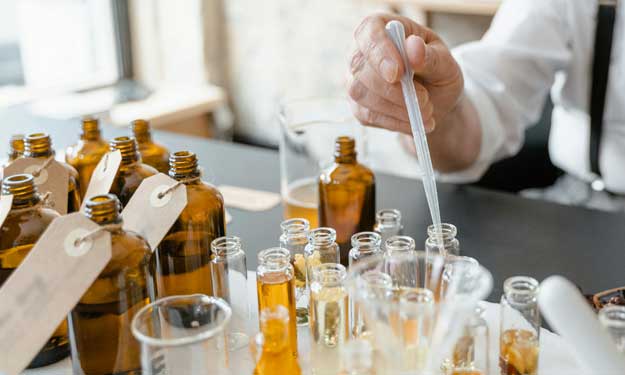
Bergamot essential oil is traditionally obtained from the outer peel of the fruit. Modern production generally uses mechanical equipment to rupture the oil-containing glands in the rind and separate the aromatic oil from the juice and other material.
The growing region, harvest, maturity of the fruit, and processing method can all influence the final aroma. A good bergamot essential oil should smell fresh and lively, with the characteristic citrus-floral complexity that separates it from simpler citrus oils.
Because bergamot production is so strongly associated with Calabria, choosing an essential oil from a supplier that provides the botanical name, extraction method, country of origin, and ideally batch testing such as GC/MS reports can tell you much more about what you're actually buying than labels such as "therapeutic grade."
Can You Use It in Food?
Bergamot is certainly used as a flavoring — Earl Grey tea is the most familiar example — but I wouldn't recommend taking an ordinary bottle of bergamot essential oil and adding drops directly to food or drinks.
Essential oils are extremely concentrated, and bottles sold for aromatherapy aren't automatically intended for culinary use. If you want bergamot flavor in a recipe, use a food product specifically manufactured and labeled for culinary use and follow the manufacturer's directions. Bergamot-flavored tea, culinary bergamot extracts, syrups, and other food-grade flavorings are easier ways to experiment with its distinctive citrus flavor.
Diffuser Blends Using Bergamot Essential Oil
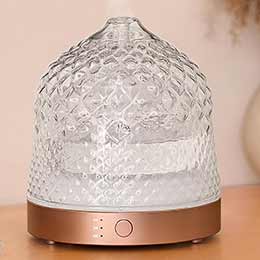
Here are a few diffuser blends where bergamot really shines:
Calm & Focus
- 3 drops Bergamot Essential Oil
- 2 drops Rosemary Essential Oil
- 1 drop Frankincense Essential Oil
Happy Home
- 3 drops Bergamot Essential Oil
- 2 drops Lavender Essential Oil
- 2 drops Cedarwood Essential Oil
Crisp & Clean
- 4 drops Bergamot Essential Oil
- 2 drops Lemon Essential Oil
- 1 drop Tea Tree Essential Oil
These blends work well for different moods: some are grounding, some are brighter and more energizing, but none need to be overpowering. Adjust the total number of drops for the size of your diffuser and the size of the room.
Bergamot Massage Oil for Stress and Tension
If you're looking for a simple massage oil with a relaxing aroma that isn't overly floral or sleepy, try this:
- 1 oz carrier oil (jojoba, sweet almond, or fractionated coconut oil)
- 4 drops Bergamot Essential Oil
- 2 drops Lavender Essential Oil
- 2 drops Sweet Orange Essential Oil
Optional: 1 drop Patchouli Essential Oil for a warmer, deeper scent.
This makes a pleasantly aromatic massage oil for winding down in the evening. If you're using regular cold-pressed bergamot rather than an FCF or bergapten-free version, be mindful of UV exposure on the areas where the blend is applied.
Using Bergamot Essential Oil in the Washing Machine
If you enjoy the scent of bergamot, you can also use a small amount to add fragrance to your laundry routine. Keep in mind that essential oils don't dissolve in water and shouldn't be poured directly onto clothing, where concentrated oil could potentially leave a mark.
How to use:
- Add a few drops of Bergamot Essential Oil to an unscented laundry product intended for the machine rather than dripping the essential oil directly onto fabrics.
- Use only a small amount, especially the first time, since essential oil aromas can become stronger in enclosed laundry areas.
The fragrance left after washing may be fairly subtle because essential oils are volatile and much of the aroma can disappear during washing and drying.
Bergamot Fabric or Linen Refresh Spray
Bergamot also works beautifully in a light linen or fabric spray:
- 1/2 cup distilled water
- 1 tablespoon high-proof alcohol or a suitable essential-oil solubilizer
- 10–15 drops Bergamot Essential Oil
Optional: Add Lavender Essential Oil or Cedarwood Essential Oil for a more layered scent.
Shake well if needed and lightly mist washable fabrics rather than soaking them. Test the spray on an inconspicuous area first, particularly on delicate or light-colored materials. Because water-based homemade sprays can support microbial growth, make small batches, keep the container clean, and don't store them indefinitely.
Oils That Pair Well with Bergamot Essential Oil
Bergamot is a bit of a chameleon in blends. Its citrus top note can brighten deeper oils, while its floral side helps soften sharper aromas. Here are some oils it pairs especially well with:
- Lavender Essential Oil – soft, floral, and relaxing
- Rosemary Essential Oil – fresh, herbal, and invigorating
- Frankincense Essential Oil – resinous, grounding, and warm
- Cedarwood Essential Oil – dry, woodsy, and grounding
- Patchouli Essential Oil – deep, earthy, and rich
- Grapefruit or Lemon Essential Oil – makes the citrus character even brighter
- Geranium or Ylang Ylang Essential Oil – brings out bergamot's softer floral side
Whether you're making a diffuser blend, massage oil, linen spray, or your own natural fragrance, bergamot is one of those essential oils that can fit into an amazing number of combinations. Its mix of fresh citrus, gentle floral notes, and subtle bitterness gives it more depth than you might expect from a citrus oil and makes it useful in blends throughout the year.