
What Are Thyroid Nodules?
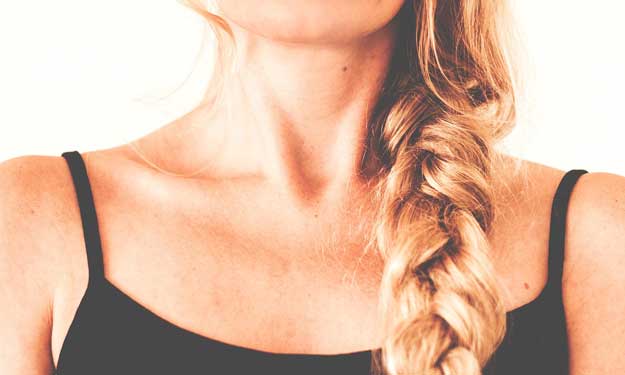
Thyroid nodules are lumps that can show up inside the thyroid, the small butterfly-shaped gland at the base of your neck. They can be solid or filled with fluid, and most of the time they’re harmless. Many people have nodules and don’t even know it because they don’t cause symptoms and are often only found during a check-up or scan for something else.
That said, not all nodules stay quiet. They can range from tiny, barely noticeable bumps to larger ones that cause visible swelling, pressure in the neck, trouble swallowing, or even changes in your voice. Others can make extra thyroid hormone, which may lead to symptoms like a racing heartbeat, weight loss, or feeling too hot all the time.
By middle age, it’s estimated that almost half of people may have at least one thyroid nodule - many without ever knowing it. My sister-in-law did notice hers. It caused visible swelling in her neck, and after an ultrasound she had part of one thyroid lobe removed. She still goes in for regular blood tests, and so far she hasn’t needed to take any medication.
Thyroid Issues in Children
Thyroid conditions in children are rare compared to adults, but they do happen. Doctors are usually more cautious with kids because thyroid hormones play such a big role in growth and development. Some babies are born with thyroid problems, like congenital hypothyroidism, which is why newborns are screened right after birth. In older children, hypothyroidism is most often linked to Hashimoto’s disease, an autoimmune condition that can cause fatigue, weight gain, constipation, or slowed growth. Hyperthyroidism can also occur in kids, though less often, usually from Graves’ disease, and may lead to a fast heart rate, trouble sleeping, or weight loss. Thyroid nodules and cancer are very rare in children, but they do occur, and because of the impact on growth and development, they’re carefully monitored.
Causes of Thyroid Nodules
- Overgrowth of normal thyroid tissue
- Fluid-filled cysts
- Hashimoto’s thyroiditis (autoimmune thyroid disease)
- Iodine deficiency (less common in countries with iodized salt)
- In rare cases, thyroid cancer
Iodine and Thyroid Nodules
Iodine plays an important role in thyroid health, but balance is key. The thyroid needs iodine to make hormones, and a lack of it can lead to goiter (an enlarged thyroid) or nodules. That’s why iodized salt was introduced - to help prevent deficiency.
Too much iodine, however, can cause its own problems. In some people, especially those with thyroid nodules or autoimmune thyroid disease, excess iodine may trigger hyperthyroidism or make existing issues worse. High doses from supplements, kelp, or seaweed products can easily push iodine intake over safe levels.
For most adults, the daily need is about 150 micrograms (mcg), which is usually met through a normal diet that includes fish, dairy, eggs, or iodized salt. Getting iodine through food is generally safe, but large supplemental doses should only be used if prescribed by a doctor.
The bottom line is - both too little and too much iodine can affect the thyroid. If you have thyroid nodules, it’s best to focus on a balanced diet and avoid high dose iodine supplements unless your healthcare provider recommends them.
Symptoms of Thyroid Nodules
Most nodules are "silent" with no symptoms. But larger ones can cause:
- A visible lump in the neck
- Trouble swallowing or breathing
- Hoarseness or voice changes
- Symptoms of hyperthyroidism if the nodule produces hormones (called a "hot" or "toxic" nodule)
How Doctors Diagnose Thyroid Nodules
- Neck exam: Sometimes nodules are found during a routine physical
- Ultrasound: Checks the size, shape, and texture of nodules
- Fine-needle aspiration (FNA) biopsy: Helps determine if a nodule is benign, suspicious, or malignant
- Blood tests: Looks at thyroid hormone levels and TSH to see if the nodule is affecting function
Treatment Options for Thyroid Nodules
The treatment for thyroid nodules depends on their size, how they behave, and whether they look suspicious. Many nodules don’t need anything more than monitoring, but when treatment is needed, here are the main approaches:
Watch and Wait (active monitoring)
Most thyroid nodules are harmless and don’t cause problems. In these cases, doctors often recommend keeping an eye on them with regular check-ups and ultrasounds. This approach makes sure the nodule isn’t growing or changing in a way that might need more attention later.
Medication
Medicine isn’t usually used for nodules unless they affect hormone levels. For example:
- If a nodule is making too much thyroid hormone ("toxic" or "hot" nodule), medication may be given to calm the thyroid down
- In some cases of hypothyroidism linked to nodules, thyroid hormone (like Levoxyl or Synthroid) may be prescribed to keep hormone levels steady
Medication doesn’t usually shrink nodules, but it can help manage the symptoms caused by hormone imbalance.
Radioactive Iodine Therapy (RAI)
This treatment is sometimes used if a nodule is “toxic” and producing excess thyroid hormone. Radioactive iodine is taken by mouth and absorbed by the thyroid. It slowly shrinks the overactive tissue and helps restore normal hormone balance. RAI isn’t typically used for benign nodules that don’t make hormones, but it can be very effective for toxic nodules or multinodular goiters.
Surgery
Surgery may be recommended if:
- A nodule looks suspicious or is confirmed as cancer
- The nodule is very large and pressing on the airway, esophagus, or vocal cords
- The nodule is causing noticeable pressure, discomfort, or cosmetic concerns
- A biopsy result is unclear and doctors need a definitive answer
Depending on the situation, surgery may involve:
- Lobectomy (partial removal): One lobe of the thyroid is taken out. The remaining lobe may produce enough hormones on its own, meaning lifelong medication may not be necessary. My sister-in-law’s nodule was treated this way, and she has never needed thyroid medication afterward.
- Total thyroidectomy (complete removal): The entire thyroid is removed. In this case, thyroid hormone replacement (like Levoxyl) is required for life, since the body can no longer make its own hormones.
Not every thyroid nodule needs aggressive treatment. Doctors weigh several factors: the size of the nodule, whether it’s growing, biopsy results, hormone levels, symptoms, and patient preference. For many people, careful monitoring is all that’s ever needed. For others, surgery or RAI can provide relief and peace of mind.
Home Remedies, Natural Care & Lifestyle Support for Your Thyroid
While thyroid nodules usually need medical monitoring, there are simple things you can do at home to support your thyroid and overall health. None of these replace medical treatment if it’s needed, but they may help keep your thyroid in balance and ease some of the stress that comes with the diagnosis.
Regular Check-Ups
Even if your nodule isn’t causing symptoms, it’s important to have regular follow-ups. Your doctor may recommend an ultrasound every so often just to make sure nothing has changed.
Eat for Thyroid Health
Nutrients like selenium (found in Brazil nuts, eggs, and tuna), zinc (pumpkin seeds, beef, lentils), and iodine (seaweed, iodized salt, dairy) all play a role in healthy thyroid function. The key is balance - too much iodine, for example, can be just as harmful as too little. Focus on a varied diet with whole, unprocessed foods.
Anti-Inflammatory Foods
A diet rich in fruits, vegetables, fatty fish, nuts, and seeds can help calm inflammation in the body. Since autoimmune issues like Hashimoto’s can sometimes be linked to thyroid nodules, eating this way may give your thyroid some extra support.
Stress Management
High stress levels can throw off hormone balance, including thyroid hormones. Daily habits like deep breathing, light exercise, spending time outdoors, or even a warm bath with calming essential oils (lavender is one of your favorites) can make a difference.
Avoid Environmental Triggers
Endocrine-disrupting chemicals found in plastics, pesticides, and some household products may interfere with thyroid health. Choosing glass or stainless-steel containers, washing fruits and veggies well, and using natural cleaning products when possible are simple swaps that may help.
Watch Your Supplements
If you’re already taking thyroid medication, timing matters. Calcium, iron, and even high-fiber foods can interfere with absorption. Take medication on an empty stomach and talk with your doctor before adding new supplements.
Natural care won’t shrink thyroid nodules, but it can support your body and thyroid health overall.
Homeopathic Remedies for Thyroid Nodules
Some people turn to homeopathy to support thyroid balance and ease symptoms linked with nodules. While research is limited and these remedies should never replace medical monitoring, they may be used under the guidance of a qualified practitioner:
- Calcarea carbonica – often suggested when nodules are firm, slow growing, and the person tends to feel cold, tired, or sluggish.
- Spongia tosta – used for hard nodules with a feeling of tightness or choking in the throat.
- Iodum – considered for nodules in people who are thin, anxious, feel overheated, and have a fast metabolism.
- Lycopodium – sometimes used when nodules are on the right side of the thyroid, especially if there are digestive issues like bloating or gas.
- Sepia – chosen for women with thyroid imbalance linked to hormonal shifts, fatigue, or mood changes.
Homeopathy should always be seen as complementary care - not a stand-alone treatment. Thyroid nodules need proper diagnosis and follow-up because, in rare cases, they can be cancerous. If you’re interested in trying homeopathy, it’s best to work with a licensed practitioner who can match the right remedy to your individual symptoms while you stay under your doctor’s care.
When to See a Doctor
- Rapidly growing nodule
- Trouble swallowing or breathing
- Family history of thyroid cancer
- Abnormal ultrasound or biopsy findings
Finding out you have a thyroid nodule can be unsettling, but most of the time it isn’t serious. Many nodules don’t cause symptoms and only need to be watched. When they do need treatment, whether it’s a biopsy, surgery, or another option, there are clear ways to handle it.
The key is not to ignore it but also not to jump to the worst-case scenario. Keep up with check-ups, ask questions, and stay on top of any changes. Thyroid nodules are common, and with the right care, most people do just fine.