How to Clean a Diffuser
Diffusers do more than just make a room smell nice - they change the atmosphere. Whether you’re using them to relax, freshen the air, or focus while you work, they only do their job well when they’re clean. Over time, oils can leave a thin film inside the diffuser that affects how it smells and performs. If you’ve ever noticed your diffuser not misting as strongly, or the scent doesn’t smell like the essential oils you just used, it’s probably time for cleaning your essential oil diffuser.
Cleaning your diffuser keeps it running smoothly, helps your essential oils smell the way they’re supposed to, and prevents the kind of buildup that can lead to mold, bacteria, or that stale, old-oil smell. Even a small bit of leftover oil can affect the next blend you add, so a little regular care makes all the difference.
Which Diffusers This Applies To
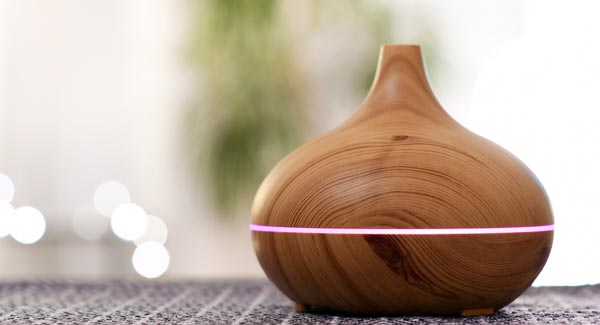
These cleaning methods are made for ultrasonic diffusers - the kind that use water and essential oils together to create a cool mist. If your diffuser has a water tank, a mist outlet, and that small round ultrasonic plate in the center, these instructions are what you need.
Other Types of Diffusers Work Differently
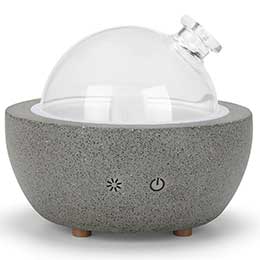
- Nebulizing diffusers use pure oils (no water) and should be cleaned only with alcohol.
- Evaporative diffusers use a fan and a pad - cleaning usually means replacing the pad.
- Heat diffusers simply need a gentle wipe after use.
- Reed diffusers don’t require cleaning at all, just an occasional stick rotation or refill.
How Often to Clean Your Diffuser
If you use your diffuser every day, a light cleaning once or twice a week is enough. If you’re switching between oils often (say, lavender one day and peppermint the next), give it a quick rinse each time so the scents don’t mix. And once a week, it’s worth doing a deeper clean - it takes just a few minutes and helps keep the mist flowing as it should.
With larger 500mL diffusers, it’s normal for the water to last several days if you’re using it regularly. That’s not a problem. The buildup tends to happen when the diffuser sits unused with water and oils still inside. When it hasn’t been running for several days, the oils separate and begin to cling more strongly to the tank and ultrasonic plate, which can make the previous scent harder to remove.
Quick Cleaning Your Essential Oil Diffuser
To do a quick clean between uses, follow these steps:
- Unplug and empty. Always unplug your diffuser first, then pour out any leftover water - tilt it away from the air vent so nothing leaks where it shouldn’t.
- Wipe it down. Use a soft cloth or cotton pad to wipe the inside of the tank. If there’s residue, dampen the cloth with a little rubbing alcohol or a 50/50 mix of water and white vinegar.
- Dry it off. Wipe again with a clean cloth or paper towel. Let it air dry for a few minutes before refilling.
Deep Cleaning Your Essential Oil Diffuser
For deep cleaning your diffuser, follow the steps below:
- Fill the tank halfway with clean water (distilled if you have it).
- Add a teaspoon of white vinegar.
- Turn it on and let it run for 5 to 10 minutes - the vinegar will help loosen oil buildup and clean the ultrasonic plate.
- Empty the tank and use a cotton swab to gently clean any remaining spots, especially around the edges and inside the mist outlet.
- Rinse well with plain water and dry completely before the next use.
What If the Ultrasonic Plate Turns Brown?
If you’ve noticed a brown or amber-colored ring forming around the small metal disc in the center of your diffuser, it’s common and fixable. The disc is the ultrasonic plate, the part that vibrates to turn your water and oils into mist. Over time, it can start to discolor for a few reasons.
Essential Oil Residue
Essential oil residue is the most common culprit. Since oils don’t dissolve in water, a tiny bit of each blend sticks to the plate after every use. Darker oils - like patchouli, cinnamon, clove, or frankincense - are especially known for leaving behind a golden or brown film as they oxidize.
Tap Water
If you’re using tap water, minerals such as calcium or magnesium can also settle and mix with the oil residue, forming a thin crust that darkens with use. And while diffusers don’t technically heat up, the plate does get warm from vibration, which can slightly “cook” leftover oil and cause that caramelized look.
How to Clean the Ultrasonic Plate
- Dip a cotton swab in white vinegar or rubbing alcohol and gently wipe the plate and surrounding area.
- If there’s stubborn buildup, let the diffuser run for 5–10 minutes with a teaspoon of vinegar mixed into a half tank of water, then empty and wipe again.
- Avoid scraping - just gentle pressure.
- Switch to distilled water to prevent mineral spots, and give the plate a quick wipe after each use to keep it clear.
A little discoloration doesn’t mean your diffuser is broken - it just means it’s working hard for you. With a quick clean now and then, your oils will smell just as fresh as they should.
What If You Leave Water and Oils Sitting in the Diffuser?
Life happens. Sometimes you diffuse in the evening, mean to empty it, and then a few days go by. When water and essential oils sit in the tank without running, they don’t just stay “fresh.” The water can become stale, and the oils begin to cling to the sides and the ultrasonic plate.
Over time, that leftover blend can thicken slightly and leave behind a stronger scent than usual. The next time you turn the diffuser on, you might notice the old oil still lingering - even after you’ve rinsed it out.
This doesn’t mean your diffuser is damaged, but it does mean it needs a deeper clean.
How to Remove Lingering Oil Scent
White vinegar works very well because it helps break down both mineral buildup and oil residue. Run a vinegar cleaning cycle as described above, then wipe thoroughly.
If the scent is still hanging on, here are a few additional options:
Rubbing Alcohol (isopropyl alcohol)
Dampen a cotton pad or swab and gently wipe the tank and ultrasonic plate. Alcohol cuts through oil very effectively and evaporates quickly.
Warm Water + Mild Dish Soap
If your manufacturer allows it, a drop of gentle dish soap in warm water can help break down stubborn oils. Just be sure to rinse thoroughly so no soap residue remains.
Baking Soda Paste
Mix baking soda with a little water to form a soft paste and gently rub the tank walls (only) where scent lingers. Do not use this directly on the ultrasonic plate - only on the plastic tank walls.
After cleaning, let the diffuser air dry completely before storing it or using it again.
Helpful Diffuser Tips
- Stick to vinegar or alcohol for cleaning - harsh cleaners or soaps can damage the diffuser or leave a residue that changes your scent.
- Use distilled water when you can. It keeps mineral buildup from forming on the ultrasonic plate.
- Let it dry completely if you won’t be using it for a while. A dry diffuser won’t grow mold or mildew.
- And if you ever notice your diffuser sputtering or smelling a bit odd—it’s just its way of saying, “Hey, time for a clean!”
What If Your Diffuser Starts Beeping After Cleaning?
Sometimes after cleaning a diffuser, it might start normally for a few seconds and then suddenly it will start to beep and shut off. This can happen even when there is plenty of water in the tank.
In many cases, this is caused by moisture reaching the diffuser’s internal sensor or air vent during cleaning. Most ultrasonic diffusers have a built-in safety sensor that shuts the unit off if it thinks the tank is empty or if something isn’t working properly.
If a small amount of water gets into the vent area or underneath the tank, the diffuser may temporarily think there is a problem and trigger the beeping and then shutting itself off.
One of the most common ways this happens is when water is poured out toward the air vent while emptying the diffuser. Most ultrasonic diffusers have a small vent or outlet area that should stay dry, so it’s best to tilt the diffuser and pour water out from the opposite side.
What to Do If This Happens
What I have found that works in this situation:
- Empty the diffuser completely.
- Leave the lid off and allow it to air dry for several hours or overnight.
- Make sure the tank and ultrasonic plate are dry before refilling.
- When emptying the diffuser in the future, always pour water away from the air vent.
Once everything dries out, the diffuser will usually return to normal and start working properly again.
Cleaning Your Essential Oil Diffuser
Cleaning your essential oil diffuser only takes a few minutes and it’s a small step that makes every drop of essential oil smell its best. Keeping it clean also helps it last longer and work the way it should, giving you the same fresh mist every time you use it.