The Potential Benefits of Drinking Aloe Vera Juice
Aloe Vera isn’t only beneficial for the skin; its juice is also renowned for its potential internal advantages, being rich in vitamins, minerals, and amino acids. Below are some commonly noted reasons people enjoy drinking aloe vera juice, along with a few considerations to keep in mind:
Aloe Vera Juice and Digestive Support
Many people believe that aloe vera juice helps support healthy digestion. It may have a soothing effect on the digestive tract and can help maintain regular bowel movements.
Some aloe preparations can have a laxative effect, so moderation is key. If you notice digestive discomfort, reduce your intake or consult a healthcare professional.
Hydration and Nutrient Content
Aloe vera juice is largely water, which supports hydration. It also contains vitamins (like vitamin C) and minerals that may contribute to overall wellness.
While aloe vera juice can be part of a healthy diet, it shouldn’t replace plain water or other balanced sources of hydration.
Antioxidants and Immune Support
Aloe Vera contains natural antioxidants and may offer some immune-supporting properties. Antioxidants help combat oxidative stress, potentially supporting overall health.
Although aloe vera has antioxidants, a varied diet rich in fruits and vegetables is the best way to ensure a broad range of protective nutrients.
Soothing Properties of Aloe Vera Juice
Aloe’s soothing properties don’t just work on the skin - it’s thought they may also help settle occasional stomach upset.
If you have chronic digestive issues or frequent discomfort, seek professional medical advice.
Skin Health
Drinking aloe vera juice can be good for your skin. Here are some reasons why:
- Hydration: Thanks to its high water content, aloe vera juice helps keep your skin hydrated, which may reduce both the appearance and frequency of acne.
- Antioxidants and Vitamins: Aloe vera is rich in antioxidants and vitamins that help protect your skin from environmental stressors.
- UV Radiation: Compounds in aloe vera can help neutralize the effects of UV radiation, potentially repairing existing skin damage.
- Collagen Production: Regular consumption of aloe vera has been linked to improved collagen production, which can reduce the appearance of wrinkles.
- Skin Elasticity: Aloe vera may improve skin elasticity, helping your complexion remain firm and youthful.
- Skin Conditions: Some people find that aloe vera helps soothe conditions like psoriasis and dermatitis.
Taking a Shot Glass Daily
I typically drink a small amount, like a shot glass daily - sometimes more, it's a convenient way to add aloe vera juice to my routine without overdoing it. Starting with a small dose will help you gauge how your body reacts, you can always adjust the amount over time.
Choosing the Right Aloe Vera Juice for You
Choose pure, high-quality aloe vera juice free from added sugars, artificial flavors, or fillers.
Not All Aloe Vera Juice Is the Same
When shopping for aloe vera juice, it’s important to know that not all products are created equally. Some aloe vera drinks found in stores contain only a small amount of actual aloe and may be heavily diluted with water, fruit juice, sweeteners, artificial flavors, preservatives, or added sugars.
Some products are marketed more like flavored beverages rather than true aloe vera juice. While they may taste good, they often don’t provide the same level of aloe content or potential wellness benefits as a higher quality aloe product.
If your goal is digestive support, hydration, or overall wellness, look for products that contain a high percentage of aloe vera and minimal additives. Reading the ingredient label carefully can help you avoid unnecessary fillers or excess sugar.
Here are a few things to look for when choosing aloe vera juice:
- Aloe vera listed as one of the first ingredients
- Minimal added sugars or artificial sweeteners
- No artificial colors or flavors
- “Inner fillet” or “whole leaf” clearly labeled
- “Decolorized” or “aloin-free” on whole leaf products
- Organic or certified quality products when possible
Some aloe drinks also contain chunks or pulp suspended in sweetened liquid. These are popular in some beverages but are often more of a flavored drink than a wellness-focused aloe juice.
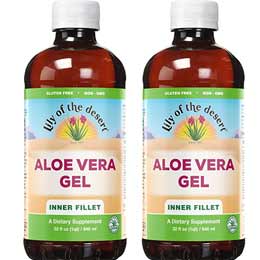
Inner Fillet Aloe Vera Juice
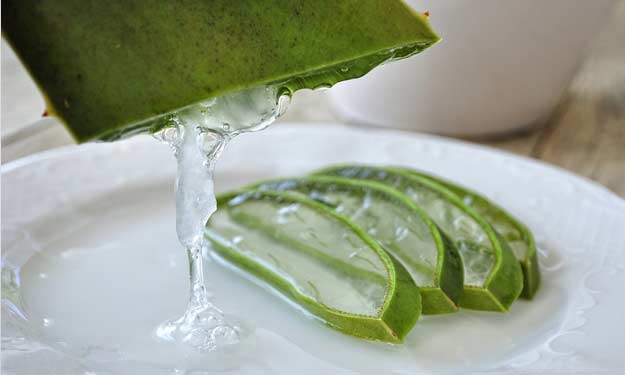
This is made from the clear gel inside the leaf, separated from the tough outer rind. It’s the cleanest and gentlest form.
- Helps support digestion and immunity
- Vitamins and enzymes
- Mild taste that’s easy on the stomach
The inner fillet is best for sensitive stomachs, daily use, or general digestive and hydration support.
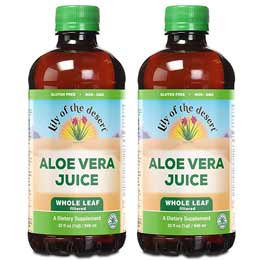
Whole Leaf Aloe Vera Juice
This uses the entire leaf - both the gel and the rind. It goes through filtering (often with activated carbon) to remove aloin, a natural laxative. It tends to have:
- More nutrients from the outer leaf
- A slightly bitter taste
- Possible digestive upset if not properly filtered
If you're wanting the full spectrum of aloe compounds, or occasional digestive cleansing, this may be the best fit for you - but only if it’s a trusted brand labeled as aloin-free.
Which Aloe Vera Juice Should You Choose?
- For everyday gut health: Go with inner fillet aloe vera juice - as it’s gentler and better suited for regular use.
- For broader benefits: Whole leaf is fine if it’s certified aloin-free.
When buying, look for:
- “Certified Organic”
- “Aloin content less than 10 ppm”
- USP or IASC certification (quality standards)
Safety and Precautions
- Allergies and Sensitivities: If you have known allergies to plants in the lily family (e.g., onions, garlic), you may react to aloe. Start with a small amount or consult a healthcare professional.
- Medication Interactions: Aloe vera juice can interact with some medications (e.g., diuretics, diabetes treatments). If you take any prescriptions, check with a healthcare provider before adding aloe vera juice to your diet.
- Long-Term Use: Consuming large amounts of aloe vera juice regularly may lead to digestive or electrolyte imbalances. Sticking to a moderate amount - like a daily shot glass - helps maintain a healthy balance.
Growing Aloe Vera
Aloe Vera is part of a large family of succulents, and not all varieties are the same. The most commonly used type for medicinal and juice purposes is Aloe barbadensis Miller, renowned for its clear, nutrient rich gel. Other species - such as Aloe arborescens or Aloe ferox - have their own properties and appearances, though they may differ in potency or taste.
- Easy to Grow: Aloe is generally low-maintenance. It thrives in bright, indirect sunlight, requires well-draining soil, and needs only moderate watering (overwatering can cause root rot).
- Propagation: When “pups” or offshoots grow at the base of the main plant, gently separate and repot them. With proper care, you can have an ongoing supply of fresh aloe leaves to use in smoothies or for topical applications.
Aloe Vera may offer benefits such as digestive support, hydration, and antioxidant properties. However, individual responses vary, so it’s always a good idea to listen to your body and consult a healthcare professional if you have any concerns. By taking around a shot glass of aloe vera juice daily, you can easily incorporate it into your wellness routine and potentially enjoy its soothing, health supporting qualities.
Shopping List
Related Articles
Evaluation and Biological Properties of Aloe Vera