
Home Remedies for Fine Lines and Wrinkles
Fine lines and wrinkles are part of getting older, but that doesn’t mean I don’t want to soften their appearance. I like simple things I can do at home without spending a lot of money. That’s not to say I don’t try over-the-counter products - I do, but they’re not the only things I want to use. I like to use natural options whenever I can, too.
Keeping skin moisturized, drinking enough water and being kind to your face are good places to start. For me, that might include not scrunching it up every time something annoys me or rubbing under my eyes when my eyeliner decides to melt.
When I was younger, I used to put Vaseline on my face and lay a hot washcloth over it. I don’t remember how long I left it there, but I do remember doing it. Petroleum jelly is still used in skin care today, although the heat isn’t necessary. These days, I would use a comfortably warm washcloth instead.
Some home remedies can temporarily soften the appearance of fine lines and wrinkles, while other habits help limit further skin damage. They won’t erase deep wrinkles, but there are simple options you may want to consider.
Drink Enough Water Throughout the Day
Staying hydrated is something that’s easy to forget when you’re busy. Keeping water close by can be a reminder to take a drink instead of waiting until you’re really thirsty.
Water, herbal tea and foods such as cucumbers, watermelon and oranges all contribute to your fluid intake. You don’t have to drink large amounts of water, but getting enough is one simple way to support healthy looking skin. If you’re not sure how much you need, take a look at my daily water intake calculator.
Water should be an everyday habit we all remember, rather than something that will smooth away wrinkles on its own.
Use a Little Vaseline to Help Soften Fine Lines
Plain Vaseline is an inexpensive option for helping your skin hold onto moisture. Keeping skin moisturized can temporarily make fine lines less noticeable, especially when dryness makes them stand out.
After washing your face, leave your skin slightly damp and smooth on a very thin layer. You can also apply it over a simple moisturizer at bedtime. A little goes a long way, so you don’t need a thick coat of it.
Using Vaseline with a Warm Washcloth
Honestly, I remember the warm washcloth as being a little soothing - for me, anyway. If you want to include it, keep the cloth comfortably warm rather than hot.
- Apply a Little Vaseline. Wash your face with lukewarm water, leave your skin slightly damp and smooth on a thin layer of plain Vaseline. There’s no required waiting time but I leave it on for about 10 minutes.
- Wet the Washcloth. Wet a clean, soft washcloth with warm - not hot - water and wring it out.
- Gently Press or Wipe. Gently press the washcloth against your face, then lightly wipe away any excess Vaseline. There’s no need to scrub it all off or leave the cloth sitting over your face.
The Vaseline helps keep moisture from escaping; the washcloth is simply an optional way to remove the excess. If your skin breaks out easily, petroleum jelly may not be the best choice for your face.
Apply Moisturizer While Your Skin Is Still Damp
You don’t need expensive wrinkle creams to make fine lines look a little softer. A basic moisturizer can temporarily improve their appearance by helping your skin retain water.
After washing, gently pat your face so it’s no longer dripping but still a little damp. Apply your moisturizer then, instead of waiting until your skin feels completely dry.
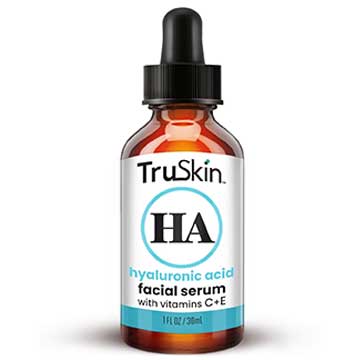
Look for ingredients such as glycerin, hyaluronic acid or shea butter. A cream may work better than a thin lotion if your skin needs more moisture. Choose one without added scent if your skin is easily irritated.
What About the Upward, Outward Motion When Applying Serums and Makeup?
I remember when I first started using moisturizers and makeup and being told to apply them in an upward, outward motion to prevent wrinkles and sagging skin. Apparently, the direction isn’t a proven way to prevent wrinkles, but being gentle and avoiding tugging is still good advice. I’ll always do it as there is no sense helping gravity along.
Using Jojoba Oil
If you prefer using an oil, jojoba is another option for helping skin hold onto moisture. Try a drop or two over your moisturizer, starting with a small amount to see how your skin feels.
Jojoba oil can help keep skin soft and moisturized, which can help make fine lines and wrinkles less noticeable. Try a little on a small area first to see how your skin responds.
Aloe Vera Gel
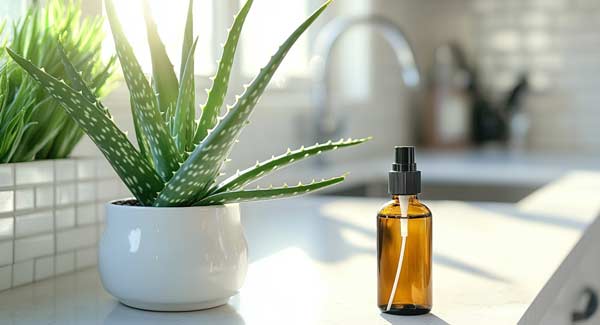
Aloe vera is another natural option you can include in your skincare routine. It can feel soothing, but whether plain aloe gel actually reduces fine lines and wrinkles is debatable.
If you want to try it, choose an aloe gel made for skin without added scent or drying alcohol. Apply a small amount, avoiding your eyes.
Try it on a small area first. Natural ingredients can still cause irritation, so stop if your skin becomes itchy, red or uncomfortable.
Collagen Supplements and Powder
Collagen helps give skin its structure and firmness, and our bodies make less of it as we get older.
Collagen supplements come in powders, capsules and liquids. You’ll often see “hydrolyzed collagen” or “collagen peptides” on the label, which means the collagen has been broken into smaller pieces.
Some studies have reported improvements in skin moisture, elasticity and wrinkles after taking collagen. The research is mixed, though which leaves some questions about how much collagen supplementation actually helps with fine lines and wrinkles.
For me, powder is an easy option because I can add it to a smoothie. I can credit it with changing my wrinkles, but it’s something I include in my routine.
Simple Banana Face Mask
If you like making your own DIY projects, mashed banana is an easy one to try. Bananas contain natural oils and nutrients that may help with skin health.
Mash a small piece of ripe banana into a smooth paste. Spread a thin layer over clean skin, keeping it away from your eyes. Leave it on about 15 minutes, then gently rinse with lukewarm water and apply your moisturizer.
Make only enough for one use, and test a small area before applying it across your face. Skip it if you have a banana allergy or notice any irritation.
Give Your Skin Some Help at Mealtime
What we eat can play a part in how our skin ages. Research has linked healthier eating habits with fewer facial wrinkles in women, so caring for your skin can include what you put on your plate, too.
Berries, leafy greens, beans, nuts and fish are some foods to include in your meals. Fruits and vegetables provide vitamin C and other nutrients, while protein gives your body the building blocks it needs to make collagen, which helps keep skin firm.
It doesn’t have to mean changing everything you eat. Add some berries to your breakfast, toss a few extra vegetables into your soup or have a handful of nuts for a snack. Small additions are an easy place to start.
Here are some food options to consider adding:
- Avocadoes
- Chia seeds
- Egg whites
- Oatmeal
- Salmon
- Sardines
- Sweet potatoes
- Tomatoes
- Walnuts
Protect Your Skin When You’re Outside
Use a broad spectrum sunscreen with SPF 30 or higher on exposed skin. A hat and some shade will help also, especially when you’re out gardening, walking or spending an afternoon outside.
Reapply sunscreen about every two hours and after swimming or sweating. This step helps limit additional sun damage rather than treating only lines you already have.
Other Fine Lines and Wrinkle Options
Below are other options you may want to consider for fine lines and wrinkles:
Use Warm Water and a Gentle Touch
Hot water, rough washcloths and heavy scrubbing can irritate your skin. Use lukewarm water and a gentle cleanser, then pat dry with a soft towel. Give your makeup remover time to loosen makeup so you don’t have to keep rubbing or tugging.
Add Moisture to Dry Indoor Air
If heating or air conditioning leaves your skin feeling dry, a humidifier may help. Keep indoor humidity around 30% to 50%, avoid damp windows or surfaces. Empty and dry the tank daily before adding fresh water. This supports skin comfort rather than directly treating wrinkles.
Give New Products a Small Trial Test
Try one new thing at a time and test it on a small area before using it across your face. That includes homemade masks, oils and products labeled natural.
Red Light Masks
Red light masks, panels and handheld devices are another option for home use. Some studies have found improvements in fine lines, wrinkles and skin texture with regular use, although results vary and take time.
I have something similar that I use, but who knows how much difference it’s making? It can be hard to tell when you’re doing several things for your skin.
Infrared Sauna
I used to feel that my skin felt better after using my infrared sauna. I can’t say it did anything for my wrinkles, but I liked how my skin felt afterward.
This is different from red light therapy. An infrared sauna uses heat, and there isn’t enough research to call it a treatment for fine lines and wrinkles. For me, this is more about something I enjoyed that happened to leave my skin feeling good.
Over-the-Counter Options for Fine Lines and Wrinkles
Along with home remedies, there are ingredients in store bought creams and serums that may help soften fine lines and wrinkles.
Retinol
Retinol is a form of vitamin A that can help improve fine lines, wrinkles and uneven skin texture over time. It can also cause dryness and irritation, so start with a mild product a couple of nights a week. Use moisturizer and daily sunscreen. Check with your doctor before using a product like this if you are pregnant or nursing.
Vitamin C
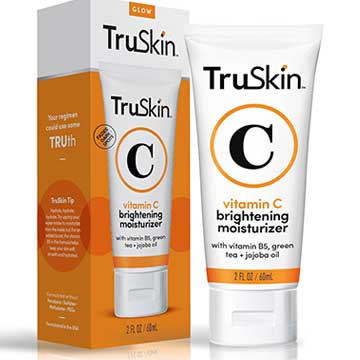
A vitamin C serum may help improve signs of sun damage, including fine lines. Choose a product made for facial use, keep it away from heat and sunlight, and close the container after using it.
Niacinamide
This form of vitamin B3 helps skin hold onto moisture and may improve the appearance of fine lines, uneven skin tone and elasticity. It’s found in moisturizers and serums, so you may already have it in something you use.
Peptides
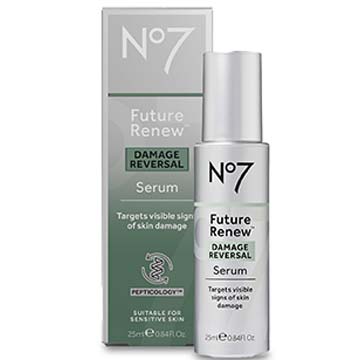
Some peptides in skincare products may help collagen production and improve skin texture and wrinkles. Results depend on the particular peptides and how the product is made, so the word “peptides” on a label doesn’t tell the whole story.
Hydroxy Acids
Ingredients such as glycolic acid and lactic acid help remove dead surface skin cells and may gradually improve texture and fine lines. They can irritate skin, especially when used too often. Introduce them slowly rather than starting an exfoliating acid and retinol at the same time.
Coenzyme Q10, Tea Extracts and Grape Seed Extract
These ingredients are included in some creams for their antioxidant properties. They may play a supporting role in skin care, but the evidence for reducing wrinkles is less established than it is for retinoids.
What About NAD?
NAD is something our cells use to produce energy and carry out repair processes. You may see it mentioned in supplements and newer skincare products, but research into its effects on fine lines and wrinkles is still ongoing.
You don’t need all of these in your routine. Choose one thing you want to try, follow the directions and give your skin time to adjust. More products at once can mean more irritation instead of better results.
Fine Lines and Wrinkles
There’s no need to try everything at once. Keep the basics consistent, then choose an extra option that interests you and agrees with your skin.
I’m not expecting a home remedy to take away every line. I would be happy with softer skin and fine lines and wrinkles that don’t stand out quite as much.
Wondering how much water you may need each day? This simple calculator offers a general estimate based on your body weight, activity level, and climate.
Related Articles
National Library of Medicine - Collagen Supplements for Aging and Wrinkles
Journal of Clinical and Aesthetic Dermatology - Efficacy and Tolerability of a Peptide Serum Targeting Expression Lines