Essential Oil Substitution List for Blends and Recipes
Have you ever started making an essential oil blend only to discover you're missing one of the oils? I recently ran into this while making a Christmas diffuser blend. I couldn't find my pine essential oil, so I used rosemary instead. That's what this essential oil substitutions list is for. Whether you're making diffuser blends, room sprays, colognes, or other scented recipes, there are times when another essential oil can work just as well, even if the finished scent is a little different.
Here are some lists of essential oils with two possible replacements for each. These aren't necessarily exact matches, but they're oils that have similar scents or can give a recipe a similar feel.
Citrus Essential Oil Substitution List
Citrus essential oils are some of the easiest to swap around. They bring a fresh, bright scent to blends, although some are sweeter, sharper, or more bitter than others.
| Essential Oil | Two Possible Substitutes |
| Sweet Orange | Mandarin or Tangerine |
| Blood Orange | Sweet Orange or Tangerine |
| Lemon | Lime or May Chang |
| Lime | Lemon or Grapefruit |
| Grapefruit | Bergamot or Lemon |
| Bergamot | Grapefruit or Sweet Orange |
| Mandarin | Tangerine or Sweet Orange |
| Tangerine | Mandarin or Sweet Orange |
| Yuzu | Grapefruit or Mandarin |
| Petitgrain | Bergamot or Neroli |
If you're replacing a citrus oil with something like May Chang, start with less. It has a much stronger lemony scent than lemon essential oil.
Woody and Forest Essential Oils
These are some of my favorite oils to experiment with, especially when making earthy, woodsy, masculine, and Christmas diffuser blends.
Not every replacement will smell like the original. For example, rosemary won't give you the exact scent of pine, but it can provide some of that fresh, green scent that works nicely in a forest inspired blend.
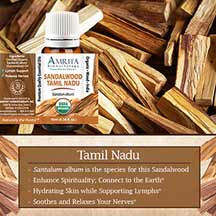
Cedarwood and sandalwood can sometimes be exchanged in a recipe, but they don't smell the same. Cedarwood tends to have a drier, woodier scent, while sandalwood is softer and smoother.
For Christmas blends, pine, fir, spruce, and cypress are good oils to experiment with. Rosemary can also work when you want something fresh and herbal rather than a true evergreen scent.
| Essential Oil | Two Possible Substitutes |
| Pine | Fir Needle or Rosemary |
| Scotch Pine | Fir Needle or Cypress |
| Fir Needle | Pine or Spruce |
| Balsam Fir | Fir Needle or Black Spruce |
| Black Spruce | Fir Needle or Pine |
| Cypress | Juniper Berry or Pine |
| Cedarwood Atlas | Cedarwood Virginia or Sandalwood |
| Cedarwood Virginia | Cedarwood Atlas or Cypress |
| Himalayan Cedarwood | Cedarwood Atlas or Cedarwood Virginia |
| Sandalwood | Amyris or Cedarwood Atlas |
| Amyris | Sandalwood or Ho Wood |
| Hinoki | Cypress or Cedarwood Virginia |
| Juniper Berry | Cypress or Fir Needle |
| Eucalyptus Radiata | Eucalyptus Globulus or Ravintsara |
| Eucalyptus Globulus | Eucalyptus Radiata or Rosemary |
Herbal Essential Oil Substitutions
Herbal oils are useful in kitchen diffuser blends, fresh room sprays, and outdoorsy recipes.
Some have a gentle herbal scent, while others, especially oregano and thyme, can be quite strong.
| Essential Oil | Two Possible Substitutes |
| Rosemary | Eucalyptus Radiata or Cypress |
| Clary Sage | Lavender or Geranium |
| Sage (Common) | Rosemary or Clary Sage |
| Basil (Sweet) | Rosemary or Sweet Marjoram |
| Thyme | Rosemary or Sweet Marjoram |
| Oregano | Thyme or Rosemary |
| Sweet Marjoram | Basil or Clary Sage |
| Tea Tree | Niaouli or Eucalyptus Radiata |
| Niaouli | Tea Tree or Eucalyptus Radiata |
| Ravintsara | Eucalyptus Radiata or Rosemary |
| Lemongrass | May Chang or Lemon |
| Citronella | Lemongrass or Lemon Eucalyptus |
| Lemon Eucalyptus | Citronella or Lemongrass |
| Palmarosa | Geranium or Rose |
Rosemary is one I really like. It works with citrus, woody oils, and several other herbs.
If you're replacing a milder herb with thyme or oregano, use considerably less. These oils can quickly take over a blend.
Floral Essential Oil Substitutions
Floral essential oils can be a little trickier to replace because some have very distinctive scents.
Rose and geranium are a good example. They aren't identical, but geranium can give a blend a similar rosy scent without using rose essential oil.
| Essential Oil | Two Possible Substitutes |
| Lavender | Lavandin or Clary Sage |
| Lavandin | Lavender or Rosemary |
| Geranium | Rose or Palmarosa |
| Rose | Geranium or Palmarosa |
| Ylang Ylang | Jasmine or Geranium |
| Jasmine | Ylang Ylang or Neroli |
| Neroli | Petitgrain or Jasmine |
| Roman Chamomile | Lavender or Clary Sage |
| German Chamomile | Roman Chamomile or Lavender |
| Ho Wood | Rosewood or Lavender |
Some floral oils are much stronger than others. Ylang ylang, jasmine, and rose can easily overpower lighter oils, so I would start with less when using them as replacements.
Minty and Cooling Essential Oil Substitutes
Mint oils can completely change a blend, especially when they're combined with citrus or woody essential oils.
| Essential Oil | Two Possible Substitutes |
| Peppermint | Spearmint or Eucalyptus Radiata |
| Spearmint | Peppermint or Sweet Basil |
Peppermint is generally much sharper than spearmint. If you're using to replace spearmint, start with a smaller amount.
Spicy and Warm Essential Oil Substitutions
These are the oils I tend to pull out when making Christmas, gingerbread, holiday baking, and cozy winter diffuser blends.
They're also some of the oils where I would be most careful about making substitutions.
| Essential Oil | Two Possible Substitutes |
| Cinnamon Bark | Cinnamon Leaf or Cassia |
| Cinnamon Leaf | Clove Bud or Cinnamon Bark |
| Cassia | Cinnamon Bark or Cinnamon Leaf |
| Clove Bud | Cinnamon Leaf or Nutmeg |
| Ginger | Cardamom or Black Pepper |
| Cardamom | Ginger or Coriander Seed |
| Nutmeg | Cardamom or Ginger |
| Black Pepper | Ginger or Cardamom |
| Coriander Seed | Cardamom or Sweet Orange |
Cinnamon bark, cinnamon leaf, cassia, and clove bud are not interchangeable drop for drop. Their strengths differ considerably.
For a diffuser blend, I would use a little less of a strong spice oil and adjust it than start with too much.
For room sprays, colognes, and anything that might touch your skin, check the appropriate usage limits before substituting these oils.
Earthy and Deep Essential Oil Substitutes
These are the oils that give some blends their deeper, earthy scent. They're especially useful in woody, masculine, and autumn inspired recipes.
| Essential Oil | Two Possible Substitutes |
| Patchouli | Vetiver or Cedarwood Atlas |
| Vetiver | Patchouli or Cedarwood Atlas |
| Frankincense | Elemi or Copaiba |
| Myrrh | Frankincense or Copaiba |
| Copaiba | Frankincense or Amyris |
| Elemi | Frankincense or Bergamot |
Vetiver and patchouli are both strong, but they smell quite different. Vetiver can be dry, earthy, and somewhat smoky, while patchouli has a richer, more recognizable earthy scent.
If a recipe calls for two drops of cedarwood and you're replacing it with vetiver, I wouldn't automatically use two drops. One may be plenty.
How Much of a Substitute Should Be Used?
For most diffuser blends, start by looking at how strong the replacement oil is compared with the original.
- Similar strength: Try the same number of drops.
- Stronger replacement: Start with fewer drops.
- Milder replacement: Start with the same amount and adjust if needed.
For example, if a diffuser recipe calls for three drops of pine and you're using rosemary instead, you might start with two drops of rosemary and see how the blend smells.
You don't have to make every substitution exact. Sometimes the replacement changes the scent a little, and you might end up liking it better.
What About Room Sprays and Colognes?
The same scent substitutions can be useful for room sprays and homemade colognes, but there is one important difference.
A replacement that smells good in a diffuser isn't automatically suitable for a spray or something applied to your skin.
Some essential oils have limits when used on skin, and some citrus oils can cause phototoxic reactions when applied to skin before sun exposure. Cinnamon, clove, oregano, and thyme also require particular care.
If you're making colognes or anything that goes on your skin, remember that some essential oils are stronger than others and may need to be used in smaller amounts.
For room sprays, essential oils won't mix properly with plain water, even if you shake the bottle. You'll need something to help the oils mix with the water, and some recipes also need a preservative.
- These substitutes are chosen for their scents, not their therapeutic uses.
- Different varieties of the same essential oil can smell different.
- Strong oils may need fewer drops than the original recipe.
- Some oils, including vanilla oleoresin and thicker aromatic extracts, may not disperse properly in certain diffusers or sprays.
- If you're diffusing around pets, children, or anyone sensitive to scents, use extra caution with your oil choices, amounts, and ventilation.
Try the Essential Oil Calculators
If you want to experiment beyond these substitutions, the Essential Oil Pairing Calculator can help you find other oils that work well together.
It's handy when you're putting together your own diffuser blend or trying to decide what to use with an essential oil you already have.
You can also use the Diffuser Drop Calculator to help adjust the number of drops for your diffuser size.
And remember, just because a recipe calls for a particular essential oil doesn't mean you can't experiment with something else. That's how I ended up using rosemary in my Christmas blend when I couldn't find my pine.