
Patchouli Essential Oil
If you’ve ever caught a whiff of patchouli and thought, “Ah yes, smells like the ‘70s and incense-filled rooms,” you’re not alone. Patchouli essential oil definitely has a vibe - bold, earthy, and a little mysterious. It’s one of those scents that people tend to either love or wrinkle their noses at. But there’s much more to this essential oil than its hippie reputation.
Patchouli essential oil comes from Pogostemon cablin, a tropical aromatic plant in the mint family, Lamiaceae. Unlike citrus oils that come from fruit peels or oils such as lavender that are distilled from flowering tops, patchouli essential oil is produced primarily from the plant's leaves, which are typically dried before distillation.
The aroma is deep, earthy, woody, musky, and slightly sweet, with subtle spicy and herbaceous notes. It is a heavy, lingering scent and is generally considered a base note in aromatherapy and natural perfumery. That staying power is one reason you'll find patchouli in so many perfumes and fragrance blends.
Patchouli oil has been used for centuries in fragrance, traditional preparations, and to scent textiles. Whether you're curious about why patchouli shows up in so many perfumes or you're looking for a rich essential oil to add depth to diffuser blends, this is one of those oils that can completely change the character of a blend with just a drop or two.
Patchouli Essential Oil Profile
Botanical name: Pogostemon cablin
Plant family: Lamiaceae (mint family)
Plant part used: Primarily the leaves
Extraction method: Steam distillation
Native region: Tropical Asia, particularly Southeast Asia; it is now cultivated in several tropical regions
Aroma: Deep, earthy, woody, musky, slightly sweet, and subtly spicy
Aroma note: Base note
Color: Usually yellowish to amber or brown, depending on the oil and its age
Consistency: Medium to thick; older patchouli oils may become thicker
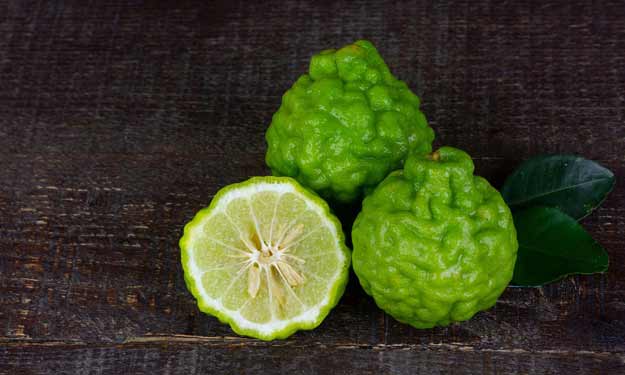
Blends well with: Bergamot, sweet orange, lavender, cedarwood, sandalwood, frankincense, geranium, ylang ylang, vetiver, and other woods, florals, and citrus oils
What is Patchouli Essential Oil?
Patchouli essential oil is steam-distilled from the leaves of the patchouli plant - a bushy, tropical herb related to mint. Although it belongs to the mint family, don't expect anything resembling peppermint. Patchouli has an entirely different aromatic profile, with a deep earthiness that can be surprisingly complex.
One of the most interesting things about patchouli is how well it works with other aromas. On its own it can be quite strong, but paired with citrus oils it becomes brighter, with florals it can become softer and more sensual, and with woods such as cedarwood or sandalwood it creates a rich, grounding blend.
Its aroma can also change as the oil ages. Well-stored patchouli is known for developing a smoother, fuller scent over time, which is unusual compared with many essential oils that are generally considered best when relatively fresh.
Fun Facts About Patchouli Essential Oil
- Patchouli became strongly associated with the counterculture movement of the 1960s and ’70s, which is one reason its aroma still makes many people think of that era.
- Dried patchouli leaves were historically packed with textiles and clothing exported from Asia. Their strong aroma helped scent the fabric and was also traditionally used to discourage moths and other insects.
- Unlike many essential oils, properly stored patchouli can develop a deeper, smoother, and more rounded aroma as it ages.
- It’s often used as a base note in perfumes because its heavy aroma has excellent staying power and can help anchor lighter scents.
- Patchouli remains an important ingredient in modern perfumery, so that earthy note you recognize in a fragrance may be patchouli even when the perfume smells nothing like the patchouli oils associated with the 1970s.
Patchouli and the Hippie Era
Well, because we gotta mention it:
- Patchouli became closely tied to hippie and counterculture culture during the 1960s and ’70s, particularly through perfumes, incense, and scented oils.
- Its deep, earthy aroma fit right in with the era's interest in incense, natural fragrances, meditation, and Eastern influences.
- Patchouli has also developed a reputation as a sensual or aphrodisiac aroma. That reputation is largely traditional and subjective rather than something proven to create an aphrodisiac effect.
Benefits of Patchouli Essential Oil
Patchouli has a long history of traditional use, but it's important to separate those uses from benefits that have actually been proven in people. Much of the research involving patchouli or its individual chemical constituents has been laboratory or animal research, so I wouldn't consider it a treatment for a medical condition. For everyday aromatherapy and personal care, though, there are several reasons people enjoy keeping it around.
- Grounding Aroma: Patchouli's deep, earthy scent is often used in aromatherapy blends intended to create a calm, grounded atmosphere. Try pairing a small amount with lavender, cedarwood, or bergamot.
- Skin Care: Patchouli has traditionally been included in skin preparations, particularly products made for dry or rough skin. When using essential oils on your skin, always dilute them properly in a carrier oil or finished skin-care product.
- Interesting Laboratory Research: Patchouli and some of its aromatic compounds have demonstrated antimicrobial activity in laboratory studies. That doesn't mean patchouli essential oil should be used to treat fungal or bacterial infections, but it helps explain some of the interest surrounding the oil.
- Mood & Atmosphere: Some people find patchouli relaxing or comforting, particularly when it is blended with softer citrus, floral, or woody aromas.
- Deodorizing: Patchouli has an extremely persistent fragrance, so a tiny amount can help cover or freshen stale-smelling areas. Start with less than you think you'll need - you can always add more.
How to Use Patchouli Essential Oil
A little goes a long way with patchouli. If you're new to the oil, I would start with one drop in a blend rather than making it the dominant aroma. You may be surprised by how much it changes everything around it.
- Diffuser: Add 1 – 3 drops as part of a diffuser blend, adjusting the total number of drops for the size of your diffuser and room. Patchouli blends especially well with lavender, bergamot, cedarwood, sweet orange, and frankincense.
- Skin Care: Properly dilute patchouli in a carrier oil such as jojoba or sweet almond oil before applying it to the skin. Don't apply undiluted essential oil directly to dry or irritated areas.
- Bath: Patchouli can add a warm, earthy aroma to a bath, but essential oils don't dissolve in water. Don't simply add drops directly to bathwater or rely on Epsom salts to disperse them. Use an appropriate bath-safe dispersing product and follow its directions.
- Foot Soak: The same rule applies to foot soaks. Properly disperse a small amount of patchouli using a product designed to disperse essential oils in water rather than dropping the oil directly into the basin.
- DIY Perfume: Patchouli makes an excellent base note in natural perfume blends. Try it with sandalwood, cedarwood, bergamot, sweet orange, lavender, geranium, or vanilla-based fragrance materials for a warmer, more rounded scent.
- Room Spray: Patchouli works beautifully in earthy room and linen sprays, but essential oils don't stay evenly mixed in plain water or witch hazel indefinitely. Use a properly formulated solubilizer or dispersing ingredient if you're making a water-based spray, and shake according to your formulation.
- Natural Cleaning Spray: A small amount of patchouli can be added primarily for fragrance to a properly formulated homemade cleaning spray. I wouldn't rely on patchouli essential oil as a household disinfectant. If your recipe contains vinegar, don't use it on natural stone surfaces such as granite, marble, or travertine because acids can dull or damage the finish.
Patchouli Diffuser Blends
If patchouli seems too heavy on its own, blending is where it really shines. Because it's a base note, you usually don't need much.
Earthy Citrus
- 3 drops sweet orange
- 2 drops bergamot
- 1 drop patchouli
Woodland Calm
- 3 drops cedarwood
- 2 drops lavender
- 1 drop patchouli
Deep & Grounding
- 2 drops frankincense
- 2 drops cedarwood
- 1 drop patchouli
- 1 drop bergamot
These amounts are starting points rather than rules. Adjust the total number of drops for your diffuser size and the size of your room, and use less if you're sensitive to strong aromas.
Side Effects and Cautions
- Start small: Patchouli has a powerful, persistent aroma. One or two drops may be plenty, especially when you're blending it with lighter essential oils.
- Dilute for skin use: Don't apply undiluted patchouli essential oil directly to your skin. Use an appropriate dilution and patch test a small area first, particularly if you have sensitive skin.
- Don't ingest it: I don't recommend taking patchouli essential oil internally unless you're under the direction of a properly qualified healthcare professional experienced with essential oils.
- Keep away from children and pets: Store essential oils securely and use extra care when diffusing around young children or animals, since their tolerance and exposure can be different from ours.
- Pregnancy and nursing: If you're pregnant, nursing, taking medications, or have a medical condition, check with a qualified healthcare professional before using essential oils therapeutically.
Patchouli essential oil isn’t for everyone, but it has definitely earned its spot in the essential oil lineup. It's one of the richer and more distinctive oils in my collection, and its ability to anchor lighter aromas makes it especially useful for blending.
And even if you don't love patchouli straight from the bottle, don't write it off just yet. Try one drop with bergamot or sweet orange, soften it with lavender, or pair it with cedarwood or sandalwood. Patchouli can smell completely different once it's surrounded by other oils, and sometimes the magic really does happen in the mix.