How Long Will Essential Oils Last
How long essential oils last depends on the type of oil, how it’s stored, and how often it’s exposed to heat, light, and air. Some essential oils can stay fresh and aromatic for many years, while others begin to lose their scent and quality much sooner. Proper storage is important in preserving the aroma, strength, and overall usefulness of your oils.
Many people are surprised to learn that essential oils do not last forever. Because they are natural plant extracts, they slowly change over time through exposure to oxygen, temperature fluctuations, moisture, and sunlight. Even though an older oil may still smell pleasant, it may not perform quite the same as it once did in aromatherapy blends, room sprays, diffusers, or homemade beauty recipes.
Why Essential Oils Eventually Go Bad
Essential oils are made up of delicate natural compounds that slowly oxidize when exposed to air. Oxidation changes the chemical makeup of the oil, which can affect the scent, appearance, and overall quality.
Several things can speed up this process:
- Leaving bottle caps loose
- Frequent opening and closing
- Exposure to sunlight
- Heat from kitchens, bathrooms, or windows
- Storing oils in clear containers
- Moisture contamination
- Keeping oils for many years without proper storage
Some oils are naturally more stable than others, which is why shelf life can vary so much between different essential oils.
How Long Essential Oils Last by Type
Citrus Oils Usually Have the Shortest Shelf Life
Citrus oils tend to oxidize faster than most other essential oils. This includes oils such as:
- Lemon essential oil
- Orange essential oil
- Lime essential oil
- Bergamot essential oil
- Grapefruit essential oil
These oils often last around 1 to 2 years once opened, sometimes longer if stored extremely well. Because citrus oils oxidize quickly, they are among the most important oils to keep tightly sealed and protected from heat and sunlight.
Floral and Herbal Oils Have a Moderate Shelf Life
Many floral and herbal oils generally last around 2 to 4 years. Examples include:
- Lavender essential oil
- Geranium essential oil
- Peppermint essential oil
- Eucalyptus essential oil
- Tea tree essential oil
- Rosemary essential oil
These oils usually remain fairly stable when stored correctly in dark glass bottles in a cool location.
Woodsy, Resin, and Patchouli Oils Can Last Much Longer
Some essential oils actually improve or deepen in aroma as they age. These oils are often heavier, thicker, or resin-based.
Examples include:
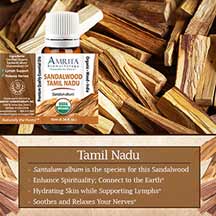
- Sandalwood essential oil
- Patchouli essential oil
- Vetiver essential oil
- Frankincense essential oil
- Cedarwood essential oil
Many of these oils can remain usable for 6 years or much longer when stored properly.
Signs an Essential Oil May Be Too Old
Knowing how long essential oils last is helpful, but it’s also important to recognize signs that an oil may have degraded.
Some common signs include:
- The scent smells flat, sour, sharp, or “off”
- The oil has thickened unusually
- The color has darkened significantly
- The aroma disappears quickly in a diffuser
- The oil smells weaker than it once did
- Skin irritation occurs more easily than before
Not every old essential oil will smell terrible, though. Sometimes the changes are subtle and happen gradually over time.
Proper Storage Makes a Big Difference
Good storage habits can dramatically extend the life of essential oils.
Here are some of the best ways to help protect them:
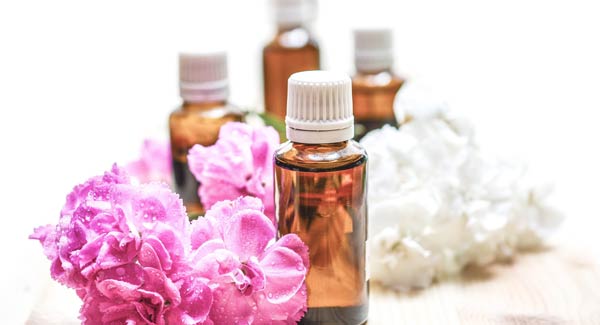
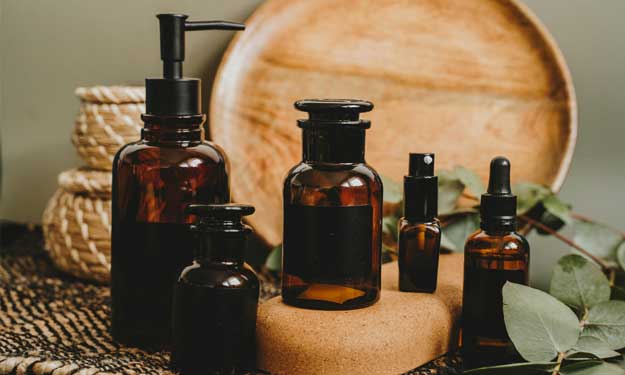
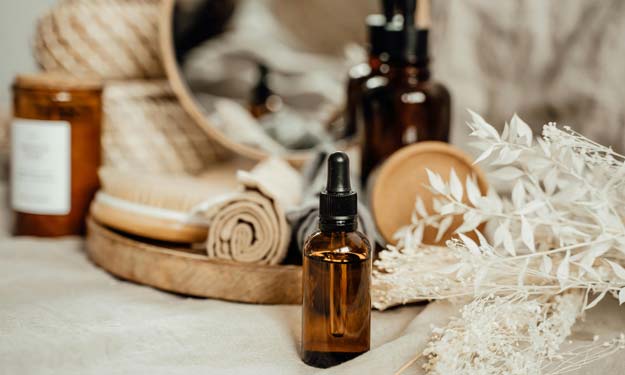
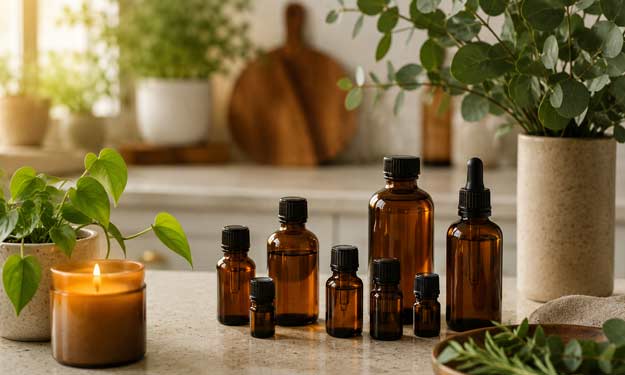
- Store oils in amber or dark-colored glass bottles
- Keep bottles tightly closed
- Avoid storing oils near windows
- Keep them away from heat sources
- Store them in a cool, dry area
- Avoid introducing water into the bottle
- Keep large collections organized so older oils are used first
A dark cabinet, drawer, storage box, or shelf away from sunlight is usually ideal.
Should You Refrigerate Essential Oils?
Some people refrigerate citrus oils to help slow oxidation, especially if they buy larger bottles they may not use quickly. Refrigeration is optional for most oils, but cooler temperatures can help extend shelf life for oils that oxidize more rapidly.
If you refrigerate oils, allow them to return to room temperature before use if they appear cloudy or thickened from the cold.
Can Expired Essential Oils Still Be Used?
Sometimes older oils may still smell pleasant enough for certain non-skin uses like homemade cleaning blends or outdoor sprays. However, oils that have heavily oxidized may be more likely to irritate the skin.
If an oil smells noticeably unpleasant, unusually sharp, rancid, or causes irritation, it’s usually best to replace it.
Buying the Right Size Bottle of Essential Oils
One of the easiest ways to avoid wasted oils is to purchase realistic bottle sizes.
If you only occasionally use a particular oil:
- Buy smaller bottles
- Avoid opening multiple bottles of the same oil at once
- Rotate older oils forward
- Label purchase dates if needed
This is especially useful for citrus oils that naturally have shorter shelf lives.
How to Dispose of Essential Oils Safely
Eventually, most essential oil users end up with a few bottles that are old, oxidized, or simply no longer smell the way they once did. When that happens, it’s important to dispose of them properly rather than pouring large amounts directly down the drain.
Because essential oils are highly concentrated plant compounds, large quantities may irritate plumbing systems, septic systems, waterways, and the environment. Strong essential oil odors can also linger indoors if large amounts are discarded at once, sometimes becoming overwhelming and potentially contributing to headaches, nausea, coughing, or irritation for sensitive individuals.
Safe Ways to Dispose of Old Essential Oils
- Absorb small amounts into paper towels, baking soda, cat litter, or sawdust before placing them in the trash
- Rinse empty bottles thoroughly before recycling when possible
- Remove labels if desired before recycling glass bottles
- Avoid dumping large quantities into sinks, toilets, storm drains, or outdoor soil
- Be especially careful with oils around pets and wildlife
For partially used bottles, many people also repurpose older oils for:
- Trash can fresheners
- Vacuum freshening blends
- Outdoor citronella-style blends
- Non-skin household cleaning uses
How Long Essential Oils Last
Understanding how long essential oils last can help you get the most from your collection while keeping your oils smelling fresh and enjoyable for much longer. Some oils naturally fade faster than others, especially citrus oils, while woodsy and resin oils may stay aromatic for years with proper care.
Simple storage habits like keeping oils tightly sealed, away from sunlight, heat, and moisture can make a surprisingly big difference. A little attention to storage and shelf life helps protect both the aroma and overall quality of your favorite essential oils and aromatherapy blends.
Related Articles
If you enjoy trying new essential oil and aromatherapy blends, you might also enjoy this tropical escape essential oil blend.