Clove Essential Oil Benefits, Uses & Precautions
Clove essential oil is one of those scents that's hard to mistake for anything else. It's warm, spicy, a little sweet, and reminds me of everything from holiday baking to oranges studded with whole cloves.
I've always liked the scent of clove, especially when it's paired with cinnamon, orange, or other warm essential oils. A little can go a long way, but I also think it's one of those oils you can experiment with when making diffuser blends.
Clove oil has several uses beyond making your home smell wonderful. It's found in aromatherapy blends, personal care products, and some dental products.
What Is Clove Essential Oil?
Clove essential oil comes from the clove tree (Syzygium aromaticum), an evergreen tree native to the Maluku Islands of Indonesia.
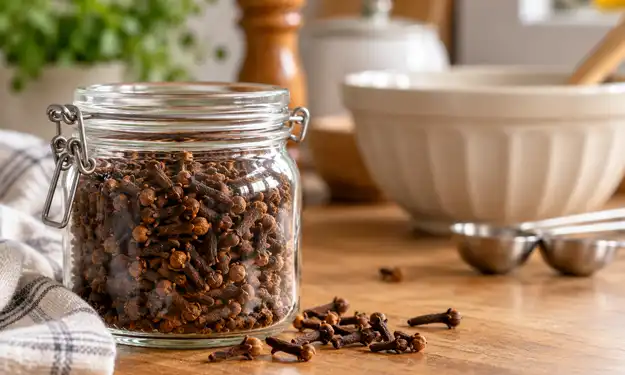
The tree produces the familiar dried flower buds we use as a spice in cooking and baking. Essential oil can be extracted from the flower buds, leaves, or stems, although clove bud essential oil is one of the most familiar varieties used in aromatherapy.
The oil contains a natural compound called eugenol, which gives clove much of its recognizable spicy scent. Eugenol is also responsible for several of the properties researchers have studied in clove oil.
Clove Bud vs. Clove Leaf Essential Oil
If you've been shopping for clove oil, you may have noticed that some bottles say clove bud while others say clove leaf. Both come from the same tree, but they aren't quite the same.
Clove Bud Essential Oil
Clove bud essential oil is distilled from the dried flower buds. It has a rich, warm, spicy scent with a slightly sweet quality that makes it especially nice for holiday diffuser blends.
It's commonly used in aromatherapy and fragrance blends.
Clove Leaf Essential Oil
Clove leaf essential oil comes from the leaves of the clove tree. Its scent is generally sharper, more herbal, and less sweet than clove bud.
Clove leaf oil can also contain a high concentration of eugenol, so it shouldn't automatically be considered a gentler choice.
Benefits of Clove Essential Oil
Clove has been used traditionally for many years, and researchers have looked at several of its natural properties.
Antimicrobial Properties
Laboratory studies have found that clove oil and eugenol can act against certain bacteria and fungi.
That doesn't mean adding clove oil to a homemade cleaner will disinfect your countertops or replace a disinfectant. However, it does help explain why clove has attracted interest in cleaning and personal care products.
Antioxidant Properties
Clove oil contains compounds that have shown antioxidant properties in laboratory testing.
Antioxidants help protect against certain chemical reactions involving free radicals, although this doesn't establish that diffusing clove essential oil provides antioxidant health benefits.
Traditional Dental Uses
Clove has a long history of use in dental care, largely because of eugenol.
Eugenol has been used in certain professional dental materials and has local anesthetic properties. However, applying undiluted clove essential oil directly to a tooth or gum can irritate or cause a burning sensation around the surrounding tissue.
A Warm, Comforting Scent
This is probably my favorite reason for keeping clove essential oil in my stash of oils.
Its warm, spicy scent works especially well with citrus, woody essential oils, and other familiar baking spices.
Although some people find these scents comforting or relaxing, there isn't strong evidence that diffusing clove essential oil treats stress, anxiety, or other health conditions.
Everyday Uses for Clove Essential Oil
There are several ways to enjoy clove essential oil around the home, particularly if you like warm and spicy scents.
Used in Diffusers
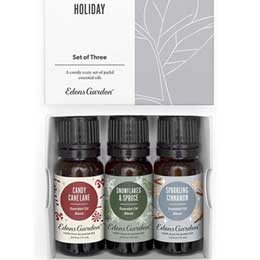
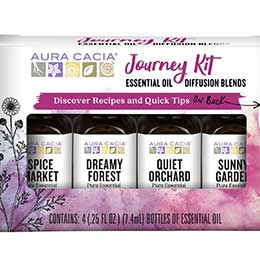
Clove is a natural choice for fall and Christmas diffuser blends.
It pairs nicely with:
- Sweet orange for a warm citrus scent.
- Cinnamon for a familiar holiday spice combination.
- Cedarwood for a deeper, woodsy scent.
- Frankincense for something warm and less sweet.
- Ginger for a spicy, kitchen-inspired blend.
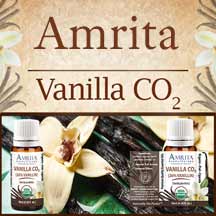
- Vanilla for a softer, sweeter scent.
Clove can be quite noticeable in a blend, so I like starting with a small amount and adjusting if needed.
Making Potpourri
Clove essential oil works nicely in homemade potpourri, and it doesn't have to be a Christmas scent. Try combining dried rosemary, lavender buds, cedarwood chips, or dried citrus peels in a decorative bowl.
A drop of clove bud essential oil can add a warm, spicy scent without making the mixture overly sweet. You can also experiment with a little bergamot or frankincense for something different.
Add the essential oils sparingly, mix everything together, and let the scent develop before adding more.
Homemade Room Sprays
Clove essential oil can also be used in homemade room sprays, and you don't have to stick with the usual holiday scents.
Try pairing clove with cedarwood and bergamot for a warm, woodsy scent with a little citrus, or rosemary and grapefruit for something fresher and more herbal. Clove also works nicely with cardamom and sandalwood if you prefer a softer, spicy scent.
Keep in mind that essential oils don't dissolve in plain water. A room spray needs an appropriate solubilizer, and water-based mixtures intended for storage also need a suitable preservative.
Homemade Cleaning Products
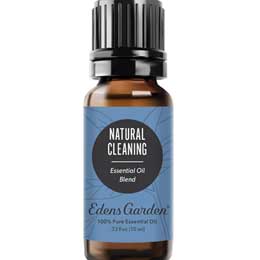
Clove essential oil can be included in some homemade cleaning recipes primarily for its scent. It pairs particularly well with orange and other citrus essential oils.
Just remember that clove essential oil isn't a substitute for proper cleaning or disinfection. It's also important to use an appropriate formulation rather than simply adding drops of essential oil to water.
Clove Essential Oil Precautions
Clove essential oil is highly concentrated, and a few precautions are worth keeping in mind.
Skin irritation: Clove oil, particularly because of its eugenol content, can irritate the skin and cause allergic reactions. It should never be applied undiluted. Even diluted clove oil requires care, and safe concentrations can be quite low.
Sensitive areas: Avoid contact with your eyes, lips, inside your nose, and other sensitive areas. Wash your hands thoroughly after handling essential oil bottles, even if you don't think any oil has spilled.
Diffusing: Use a small amount. If the scent causes coughing, headaches, or irritation, stop diffusing and get some fresh air.
Children and pets: Keep bottles securely stored and avoid diffusing in enclosed spaces where children or pets cannot move away from the scent.
Pregnancy and medical conditions: Check with a qualified healthcare professional before using clove essential oil therapeutically during pregnancy, while breastfeeding, or if you have a medical condition or take medication.
Internal use: Don't swallow clove essential oil. Concentrated clove oil can cause serious poisoning, particularly in children.
Other Oils That Pair with Clove Essential Oil
One thing I've noticed with clove is how differently it can come through depending on what other essential oils you're using.
When I combine it with orange, the citrus sometimes comes through more strongly than I expect. With cinnamon, on the other hand, the two spices can create a much warmer scent.
The type of clove oil matters, too. Clove bud and clove leaf don't smell exactly alike, and oils from different suppliers can vary.
If you're trying a new bottle, start with a small blend and see how you like the scent before adding more.
| Essential Oil | What It Adds to Clove |
|---|---|
| Bergamot | Fresh, slightly floral citrus |
| Grapefruit | Bright, tangy citrus |
| Lemon | A sharper, fresher scent |
| Cardamom | Warm spice with a fresher edge |
| Ginger | Warm, peppery spice |
| Black Pepper | Dry, spicy warmth |
| Cedarwood | A softer, woody scent |
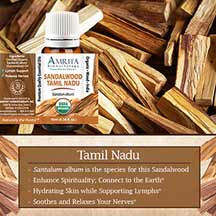
| Sandalwood | Smooth, warm woodiness |
| Patchouli | Deep, earthy richness |
| Frankincense | Woody, slightly balsamic scent |
| Rosemary | Fresh, herbal sharpness |
| Eucalyptus Radiata | Cool, fresh contrast |
| Lavender | Soft, herbal floral notes |
| Geranium | Rosy, green floral notes |
Enjoy the Many Uses
If you enjoy warm, spicy scents, I think clove essential oil is a nice addition to an essential oil collection.
It's particularly useful for fall and holiday diffuser blends, but you certainly don't have to put it away after Christmas. I enjoy these types of scents throughout the year.
Clove bud is my preference for diffuser blends, especially when combined with orange, cinnamon, cedarwood, or frankincense.
And while clove has some interesting properties that researchers continue to study, its familiar spicy scent is reason enough for me to keep a bottle on hand.